


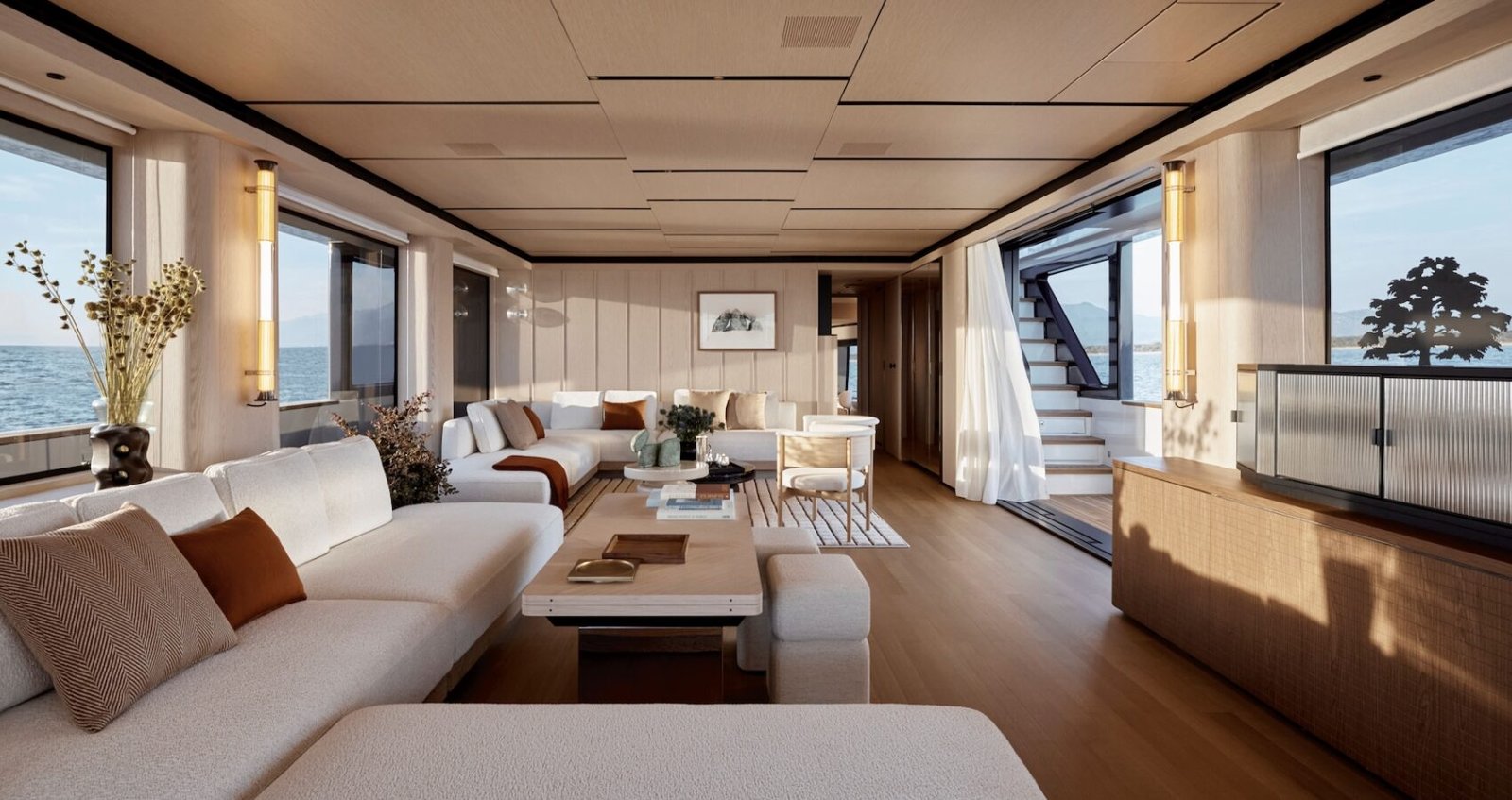
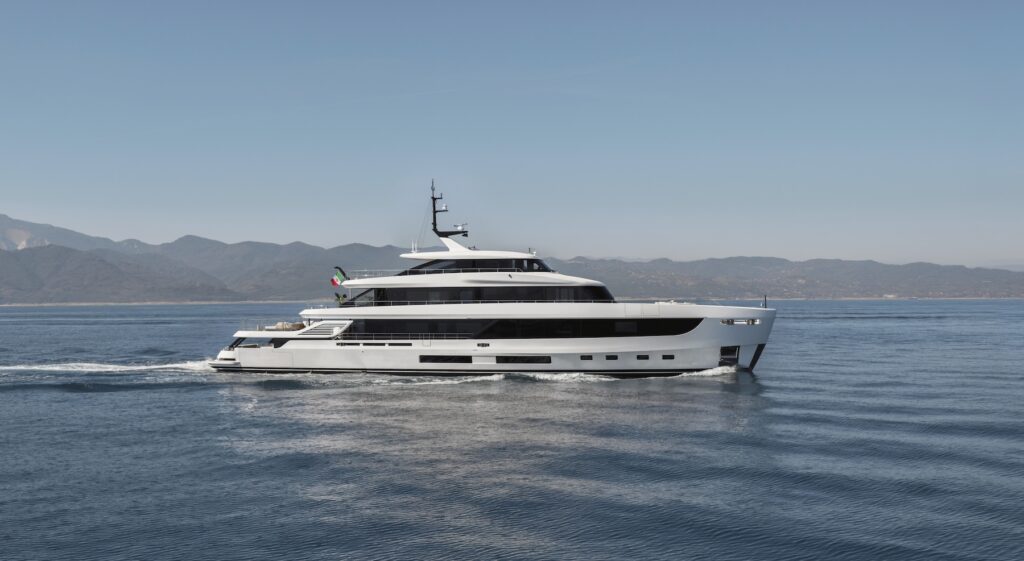
Magellano 27M by Azimut, the third generation of the sea crossover, has been awarded the Design Innovation Award 2026 in the category “Superyacht – over 24 meters” at the International Boat Show in Genoa. Promoted by Confindustria Nautica and I Saloni Nautici, it highlights projects that stand out for research, innovation, and quality of design in the recreational boating landscape.
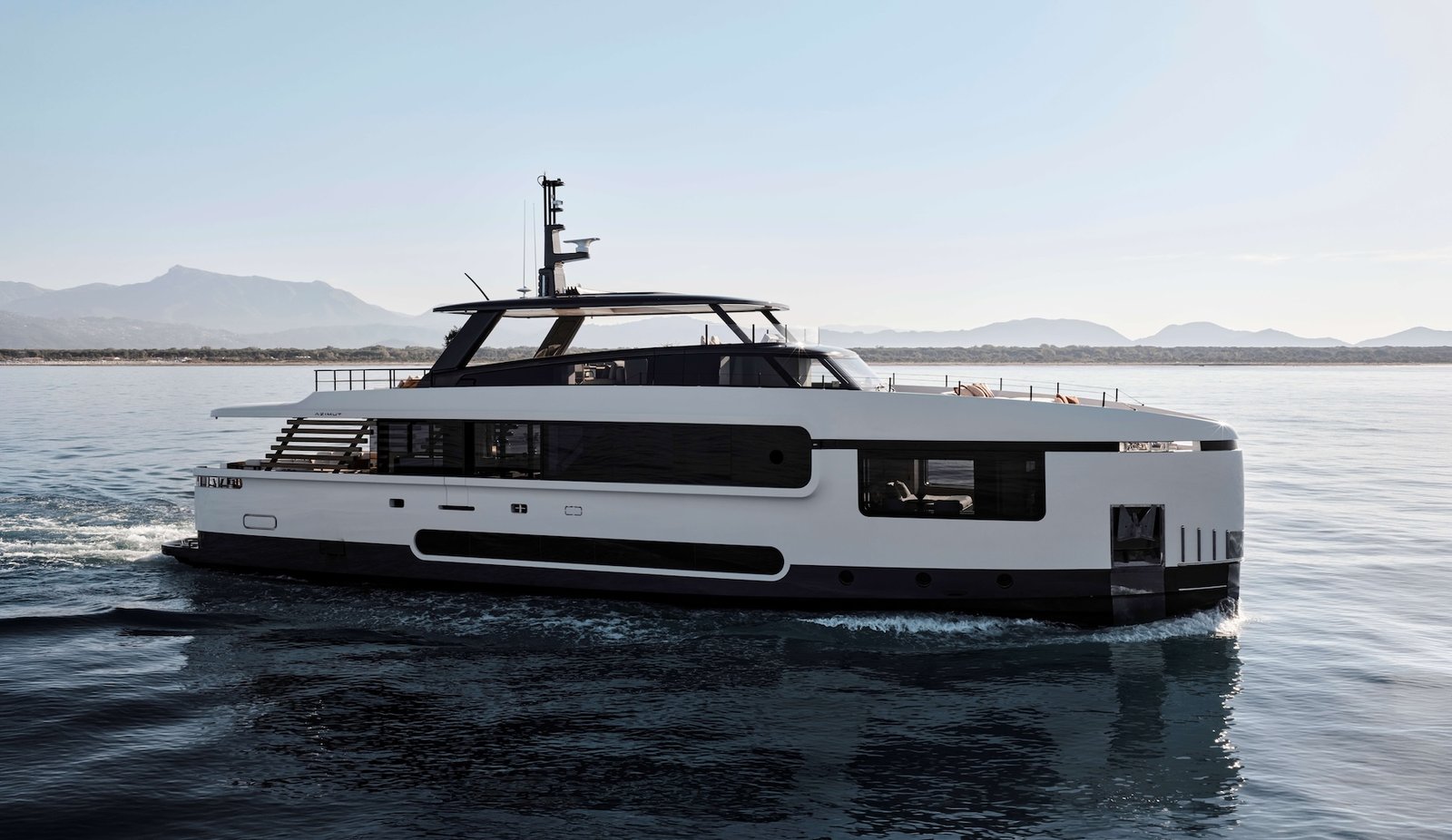
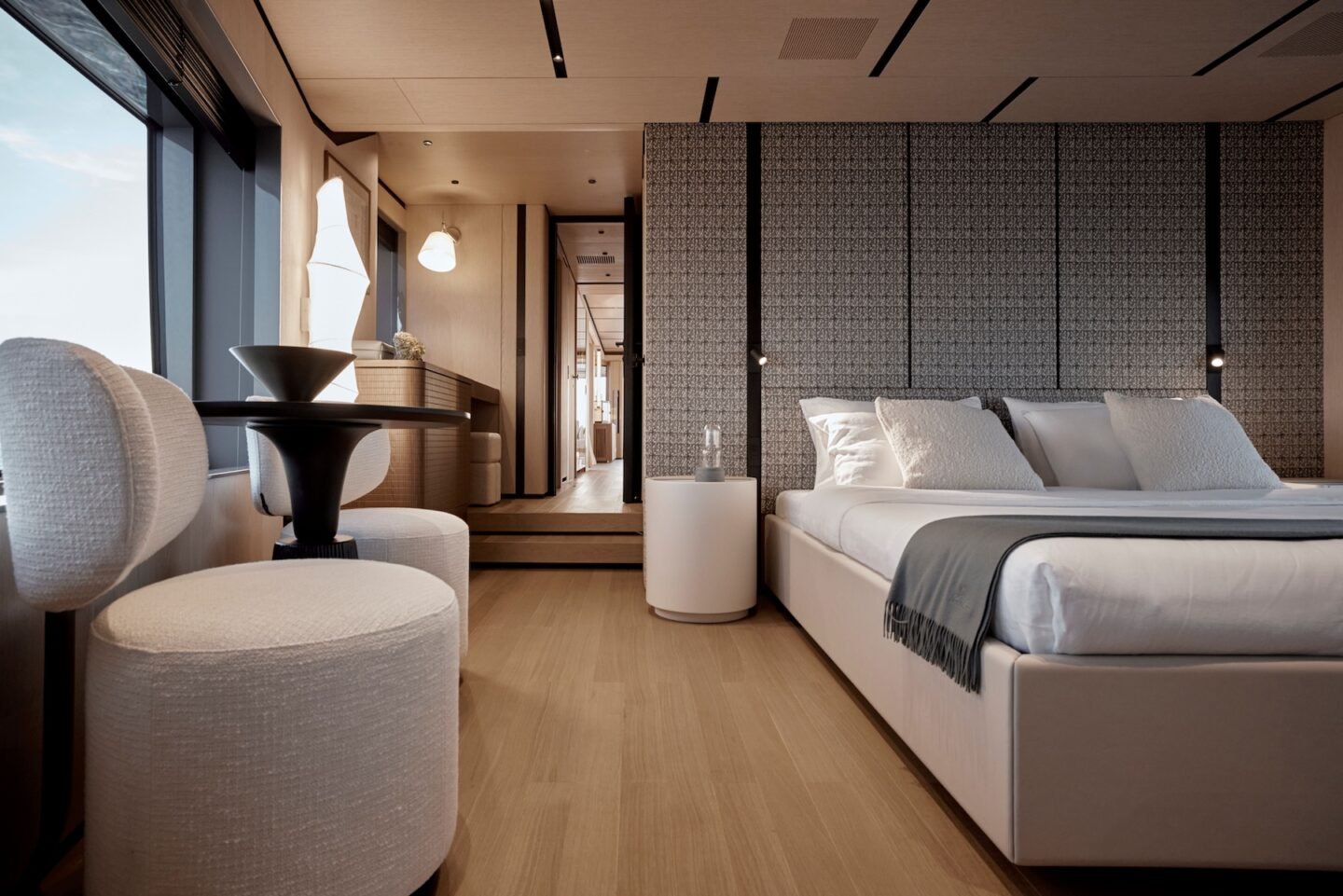
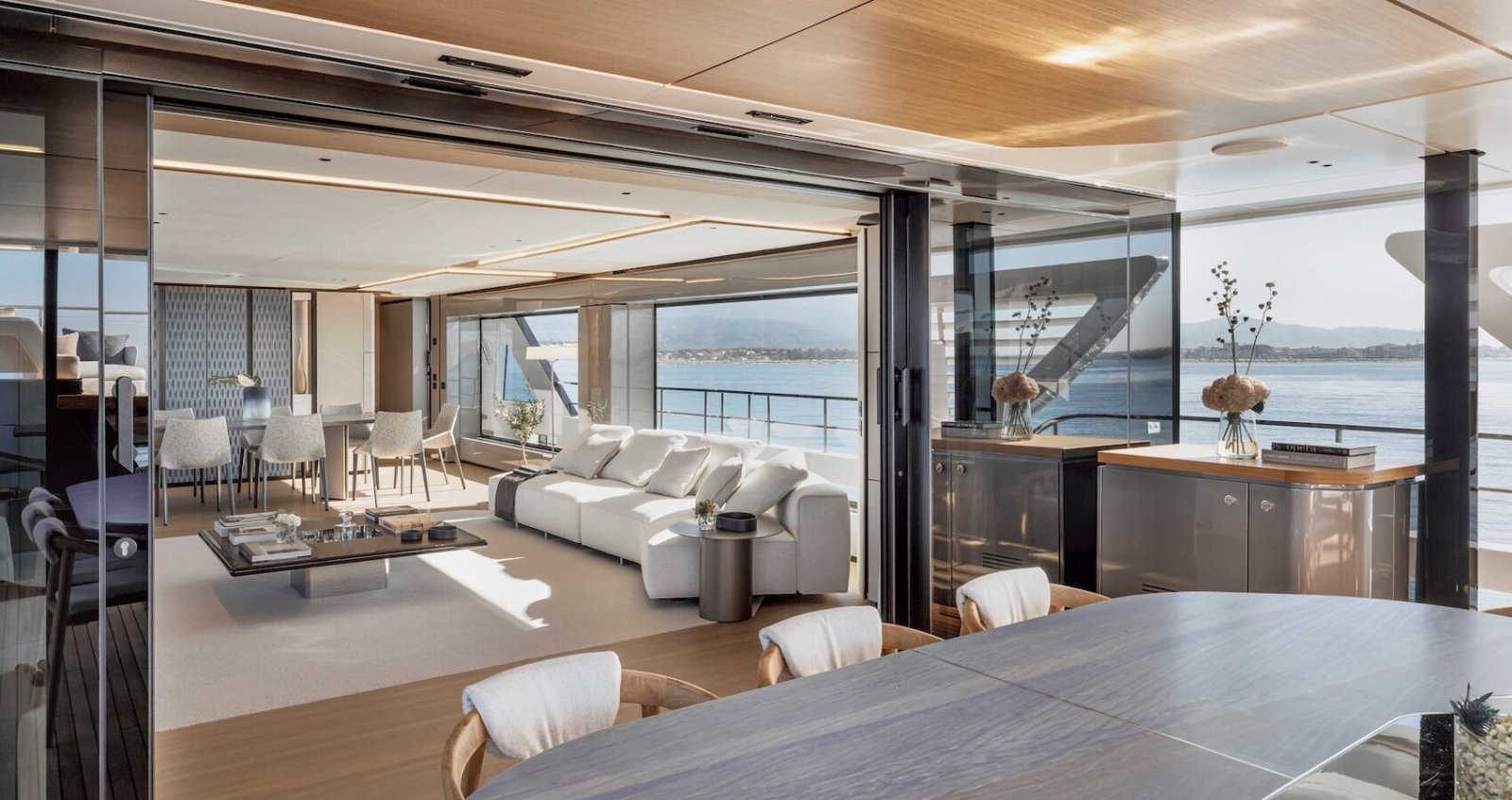
The jury recognized Magellano 27M “the ability to combine a break from stylistic schemes, innovative distribution, elegance in finishes, and a perfect dialogue with high standards of quality in the interior spaces. The result is a product with a strong identity, but that declares its vocation as a vessel to be lived.”
Magellano 27M is the third chapter of a story that began in the early 2000s thanks to the vision of Paolo and Giovanna Vitelli. They were the ones to inaugurate a completely new category, a sea crossover that has become a revolution in experience and design. The Magellano offers the freedom to forgo compromises and embrace everything: a design with generous volumes for long voyages and elegant lines, an experience enhanced by a Dual Mode hull that ensures superior comfort across a wide range of conditions and speeds.
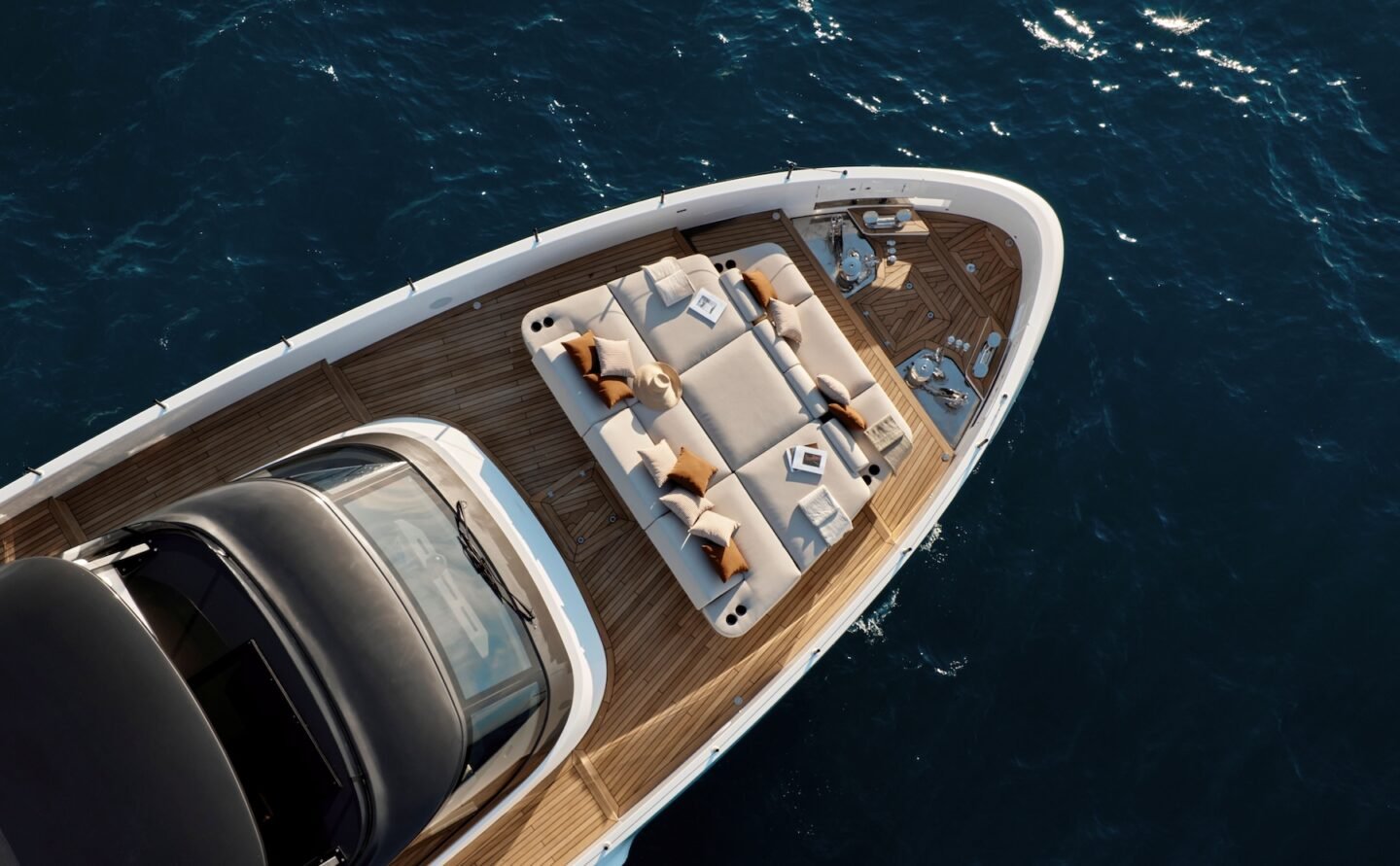
Defined by its vertical bow and double chines, this high-efficiency hull combines the strengths of displacement and planing hulls, reducing consumption compared to traditional hulls and softening the impact of waves. An innovation for navigating at your own pace, with the absolute freedom to set sail even when the sea keeps others in port. A creative dialogue that brings together Finnish designer Jarkko Jämsén with AMDL CIRCLE, Michele De Lucchi, and Davide Angeli, a tribute to the independent and eclectic nature of the yacht.
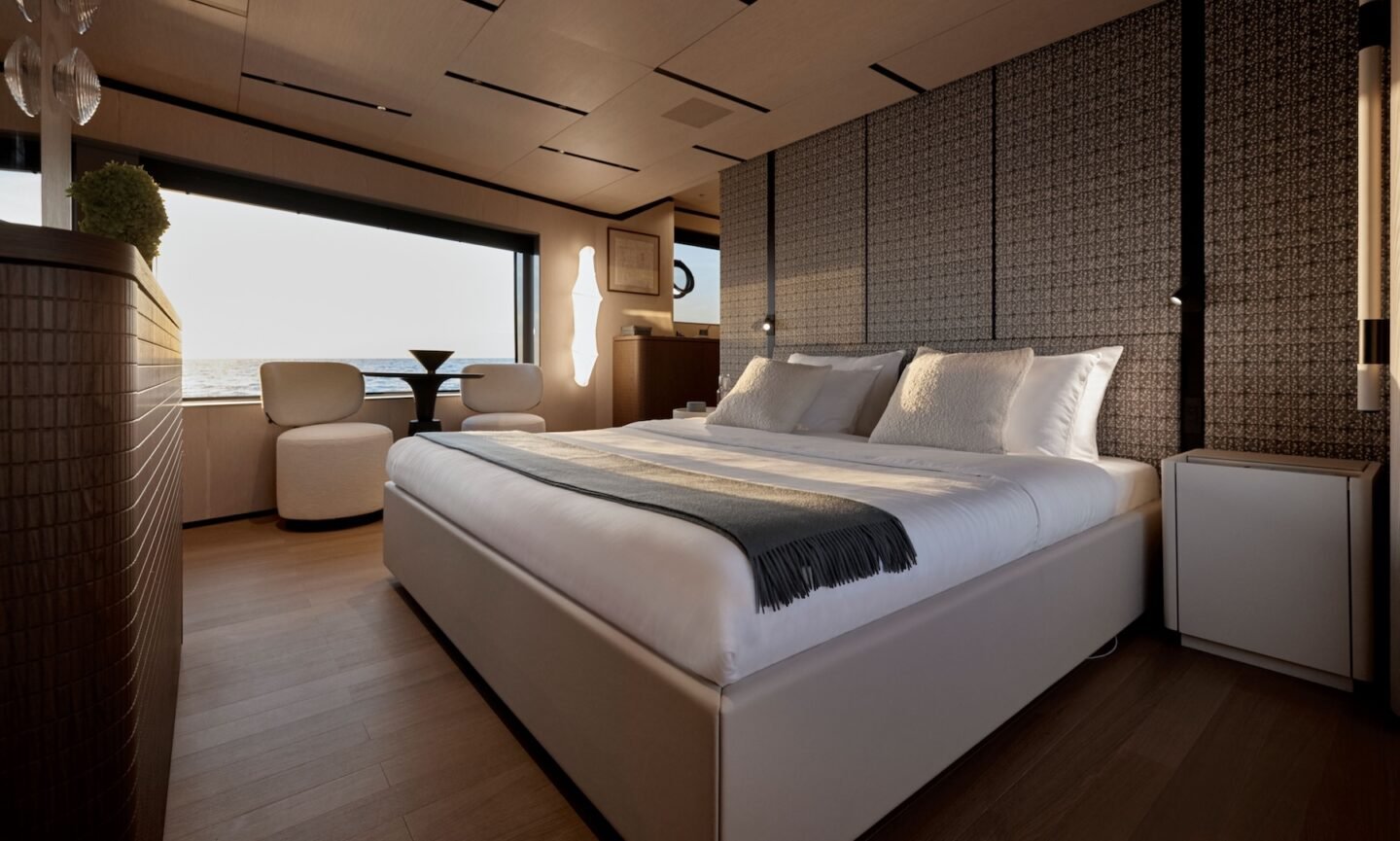
Magellano 27M, unique identity
The wooden inserts at the stern, a distinctive aesthetic element of the entire Magellano Series, introduce warmth and fragment sunlight into beams of light and shadow, a yacht with a class and elegance that is immediately recognizable. AMDL CIRCLE and Michele De Lucchi designed the concept of the architectural identity on land of Azimut: “A warm and natural seaside feeling,” evoked by the wooden brise-soleil, which has become a recurring and discreet element in the various locations and exhibition spaces of the brand worldwide. Wood and light return to dialogue on the Magellano 27M proposing a nautical language that remains true to itself over time.
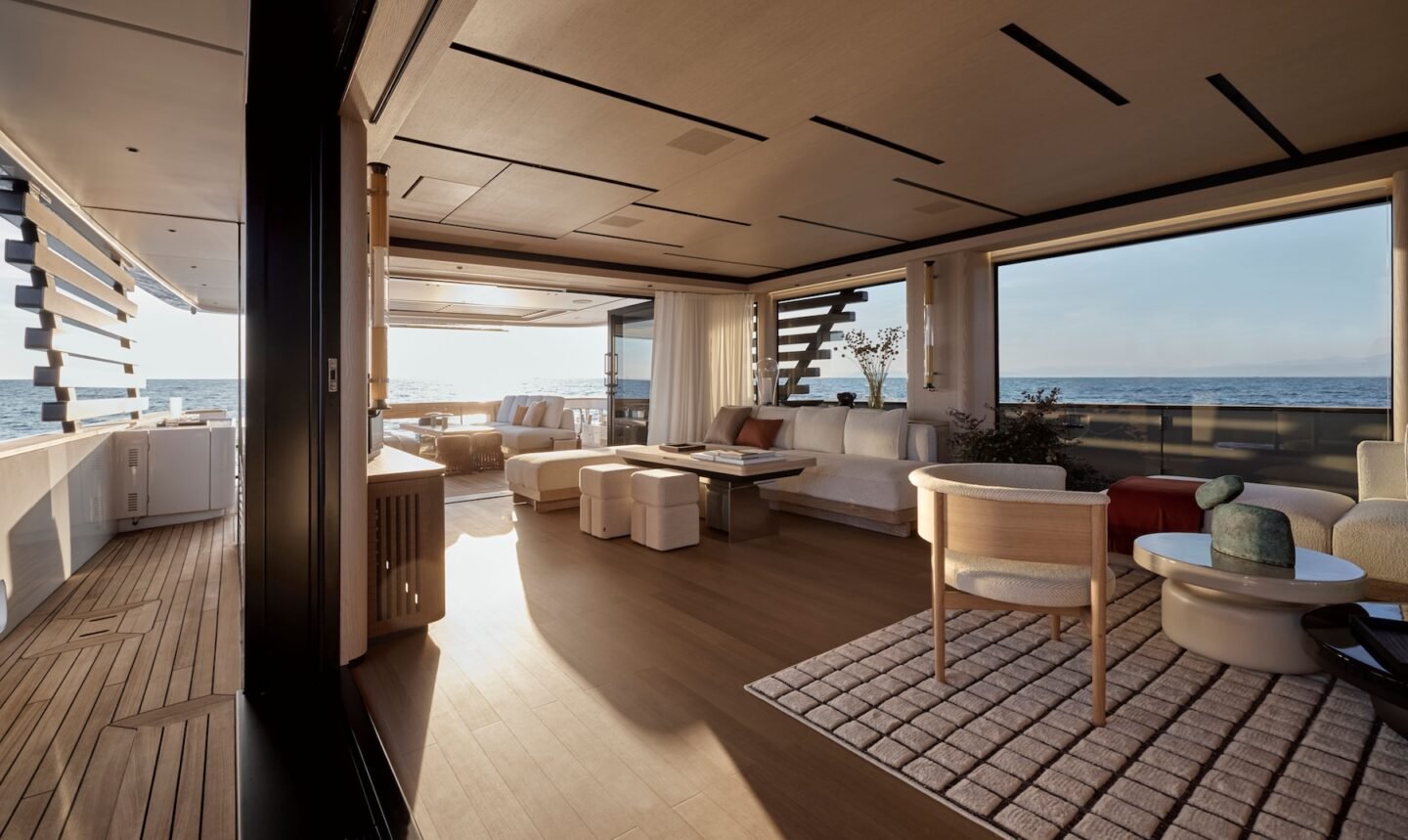
Azimut Silent Technology
The program created by Azimut to ensure an increasingly silent experience, elevating the quality of time on board. It is led by an Internal Laboratory of Applied Technology, a team of researchers and designers dedicated to transforming research insights into concrete solutions adaptable to all models in the Azimut range. From this development activity, Azimut addresses noise, vibrations, and emissions through dedicated technical solutions, including elastic mounts for engines and generators, dedicated silencers, and particulate filters. The result is a quieter onboard environment, particularly appreciated during extended stays at sea.
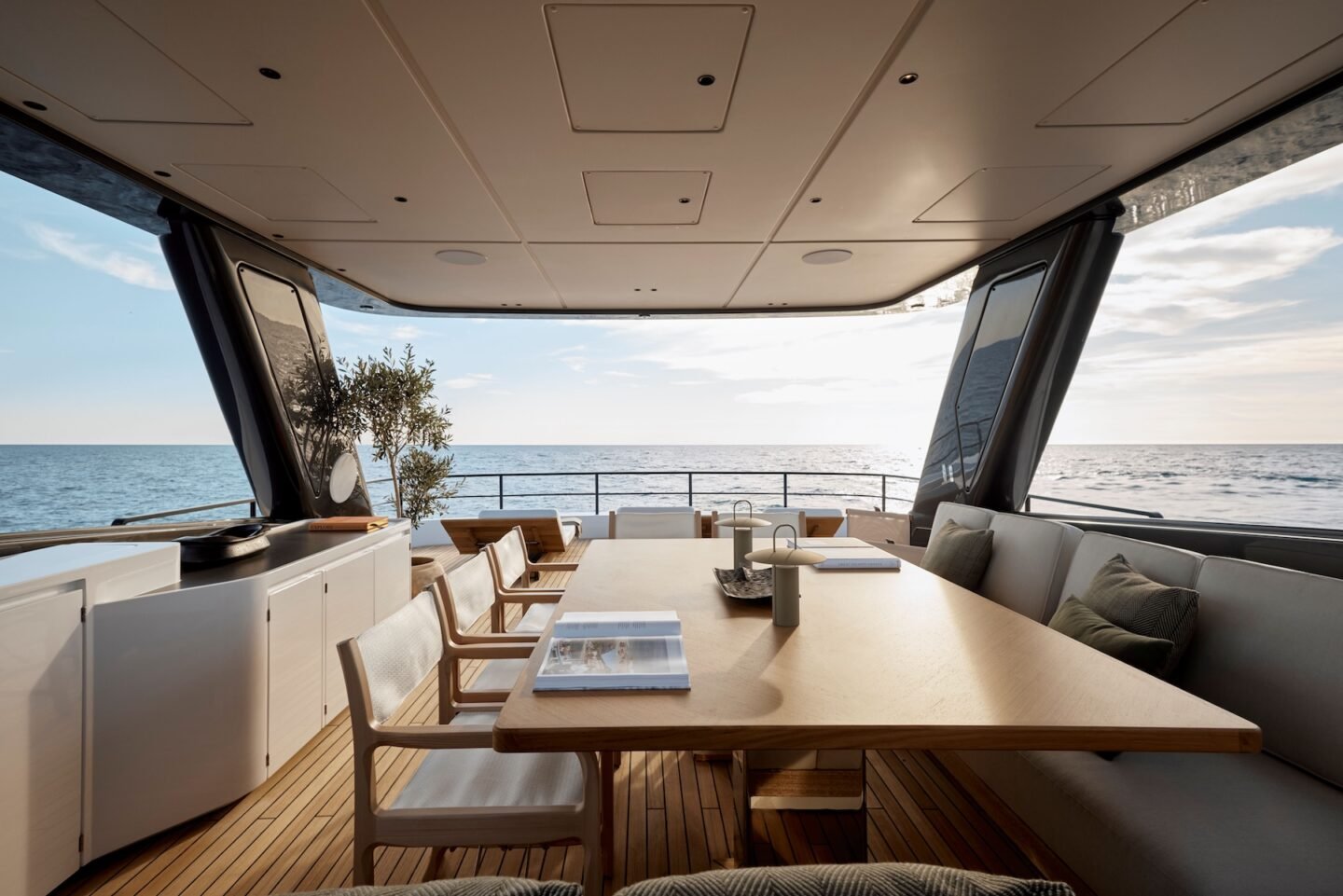
For even more demanding and visionary owners, Azimut offers the Zero Emission Hotel Mode. Available as an option and powered by LFP (lithium-iron-phosphate) batteries, it allows guests to spend part of the day or up to an entire night at anchor in complete comfort and total silence, without turning on the generators and therefore without noise, vibrations, or emissions during the stay at anchor. An advanced technology serving an essential goal: to make life on board even more enjoyable.
Press office: Sculati and Partners
Since 1938, Dutch craftsmanship and the most advanced technologies have come together in thebcreations of Mulder Shipyard. Custom and semi-custom yachts that combine timeless elegance with outstanding performance, inviting owners to experience luxury, comfort, and adventure in one extraordinary package.
AZURE embodies the shipyard’s philosophy with remarkable naturalness, bringing together, in just over 15 meters, everything that has made Mulder’s Favorite 1500 series so renowned: timeless lines, easy handling, high levels of comfort and safety, and a distinctly forward-looking exterior design by Guido de Groot Design.
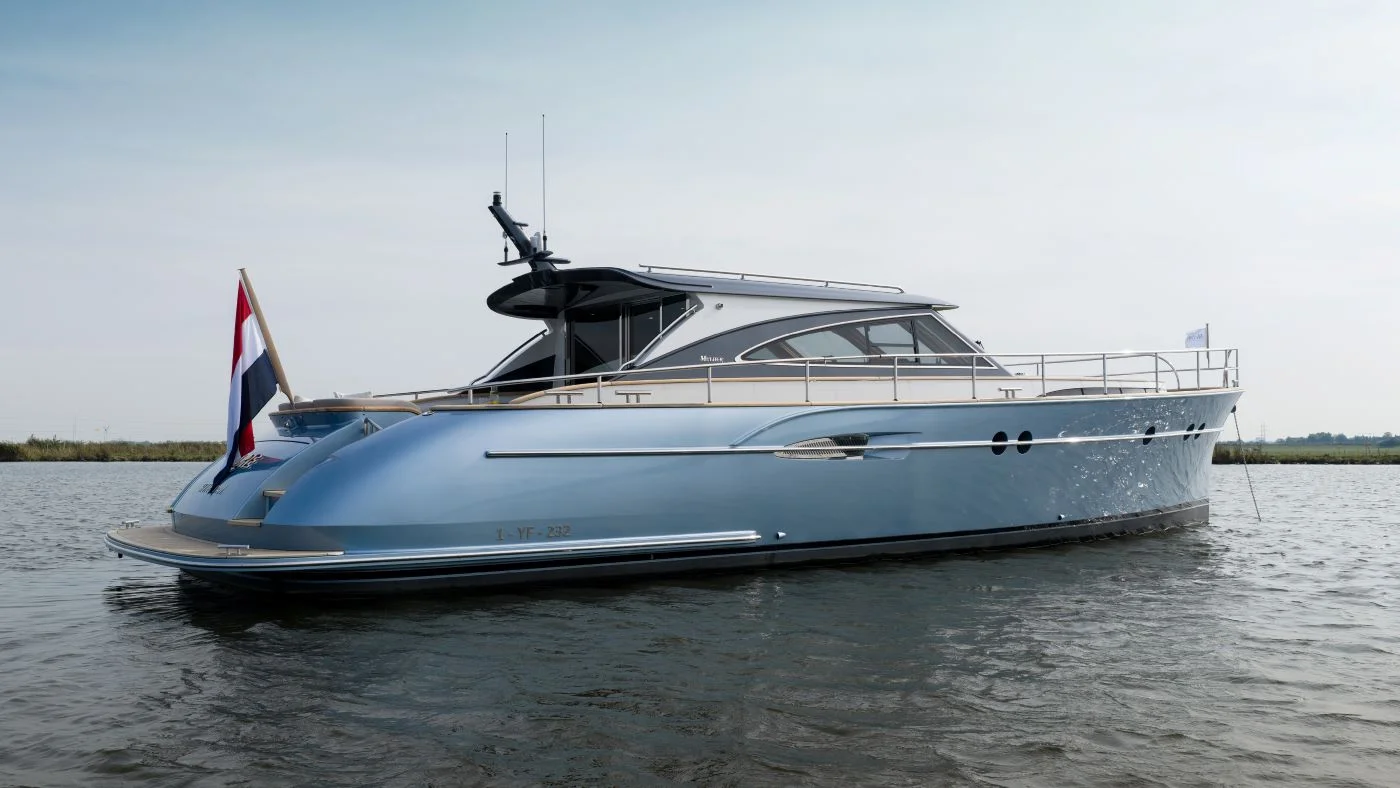
Mulder AZURE: Uncompromising Elegance
AZURE is the sixteenth yacht in the Mulder Favorite 1500 series, one of the shipyard’s most celebrated ranges. Delivered in 2021 as hull number 128, she is a refined example of the timeless design, craftsmanship and performance that define the Favorite line.
The striking contrast between the Matterhorn White superstructure and the Blue Grey hull instantly conveys a refined and contemporary elegance, enhanced by clean lines and balanced proportions that give the yacht a discreet yet unmistakable presence. The Stone Grey metallic mast, roof and window trims further enhance the design in every lighting condition, from the soft reflections of dawn to the warm glow of sunset.
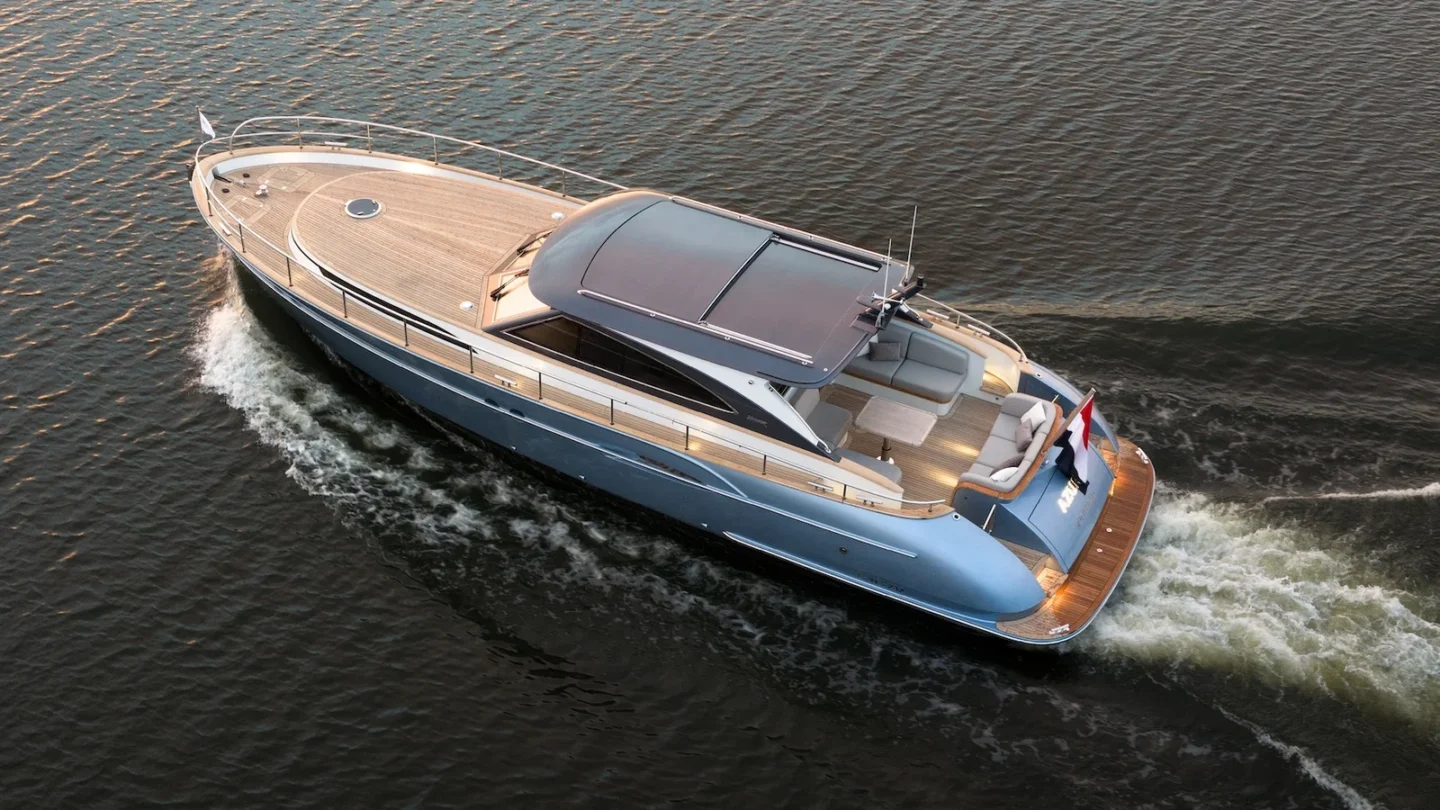
AZURE’s exterior design showcases the signature lines of the Mulder Favorite series: elegant curves, a graceful sheer and an inviting aft deck that effortlessly connects indoor and outdoor living. Her exterior design is by Guido de Groot Design in collaboration with Mulder Shipyard. The result is an extraordinarily elegant yacht, designed to experience the sea without overly rigid plans and to embrace its most beautiful moments: a quiet departure at dawn, an impromptu lunch stop or a long summer evening that spontaneously turns into another night on board.
Built entirely in aluminium, with both an aluminium hull and superstructure, AZURE combines strength and agility. Her round-bilged, semi-displacement hull is designed to provide comfort underway and confidence in changing conditions. Power comes from a pair of Volvo Penta D6 engines, each producing 480 HP, allowing the yacht to reach a top speed of 22 knots. With her distinctive and timeless lines, the Favorite 1500 series continues to win admirers across the world. Refined through years of experience, this 15.60-metre yacht embodies Mulder’s enduring pursuit of precision, beauty and performance on the water.
The interiors
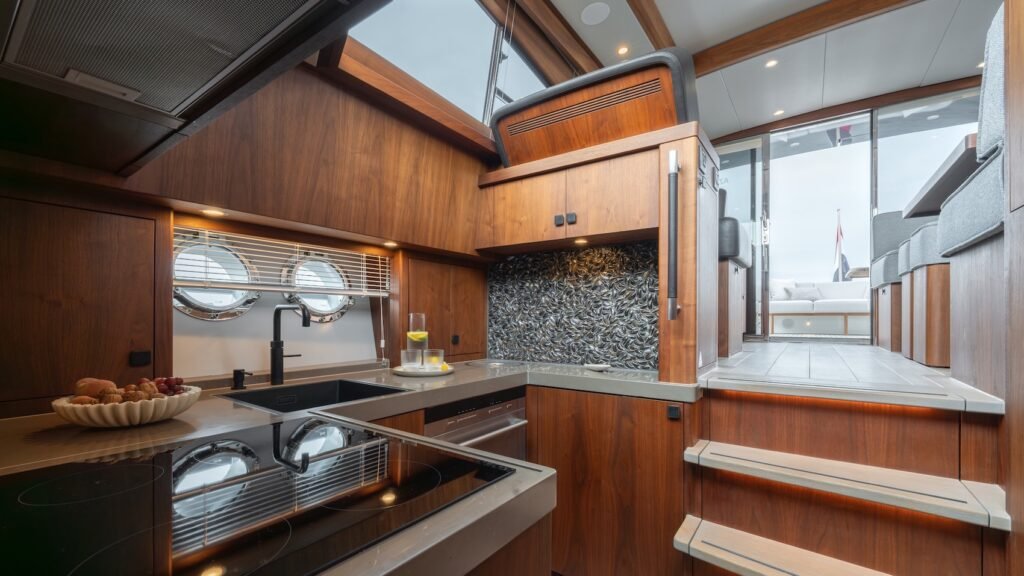
The same understated elegance found outside continues throughout the interior, where walnut finishes, contemporary detailing and large panoramic windows create a bright, warm and sophisticated atmosphere. The salon forms the heart of life on board, featuring a generous seating area centred around a teak table with an electric high/low system. Apple TV and Bluetooth audio complete the entertainment setup, creating a comfortable and welcoming space in which to relax.
Two Cabins and One Bathroom
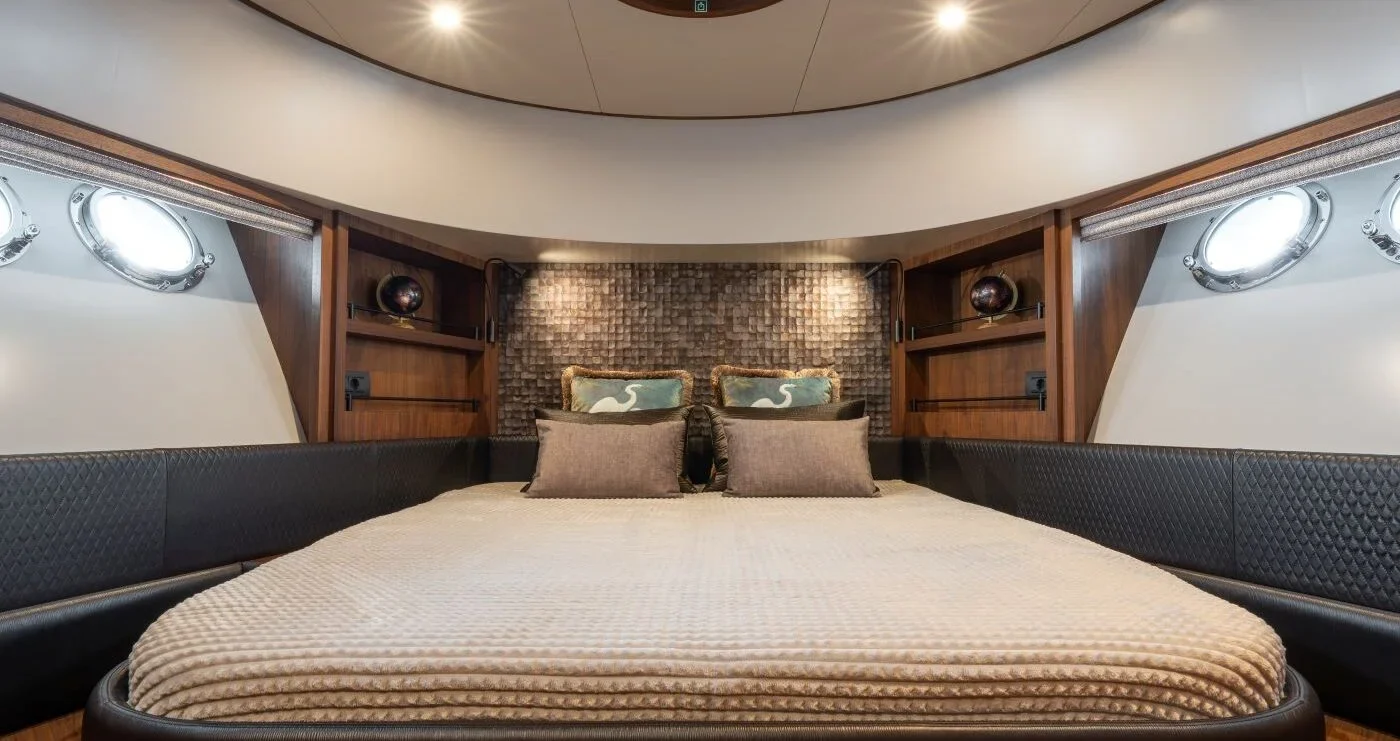
Below deck, AZURE offers two comfortable cabins and one beautifully finished bathroom, providing an inviting retreat for guests on board. The warm walnut interior and contemporary detailing create a refined yet welcoming atmosphere. Comfort is further enhanced by floor heating throughout the entire interior and four individually controlled air-conditioning units, allowing the onboard climate to be tailored as required.
| MULDER AZURE YACHT SPECIFICATIONS | ||
| Technical Details & Performance Overview | ||
| Specification | Value (Metric) | Value (Imperial) |
| Length | 15.60 m | 51.2 ft |
| Beam | 4.80 m | 15.7 ft |
| Draft | 1.20 m | 3.9 ft |
| Displacement | 22 tonnes | 22 tons |
| Engine | Twin Volvo Penta D6 (480 HP) | Twin Volvo Penta D6 (480 HP) |
| Speed | 22.00 knots | 25.3 mph / 40.7 km/h |
On the occasion of the International Boat Show in Genoa, our editorial team was invited aboard the ocean catamaran Pioneer PY60, one of the most interesting innovations in the overview of new sustainable boating. The Pioneer PY60 was designed from the outset to generate and store solar energy for electric propulsion, offering maximum reliability in real navigation without compromising.
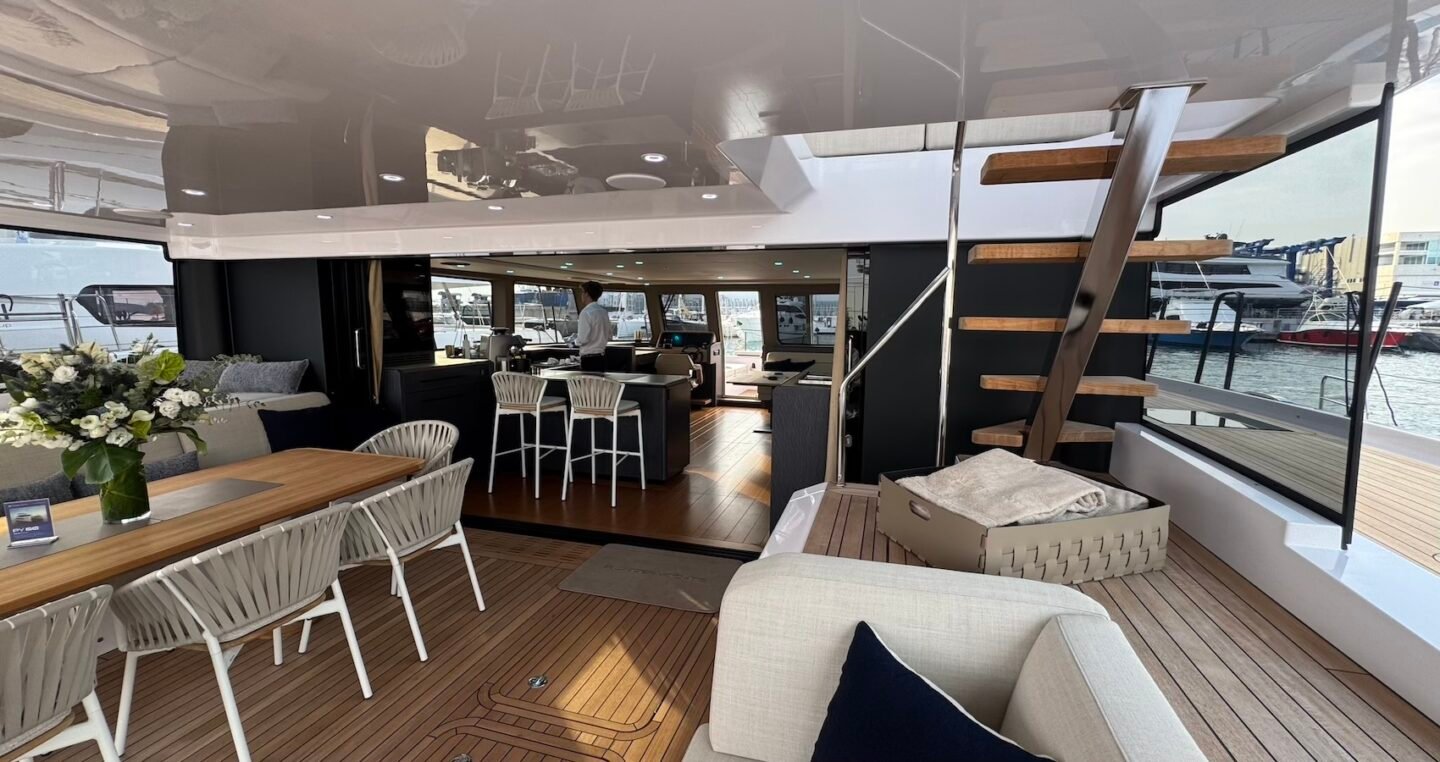
We previously wrote about this new concept in our publications Superyachtoday and Monaco Yachting News during its launch and debut at the Cannes Yachting Festival, and during the Genoa Boat Show, we were able to board, thanks to the exclusive invitation from its builder and owner Mike Frank, who, along with Chief Marketing Officer Kornelia Brock, told us more about the project that made this “Green villa” at sea possible.
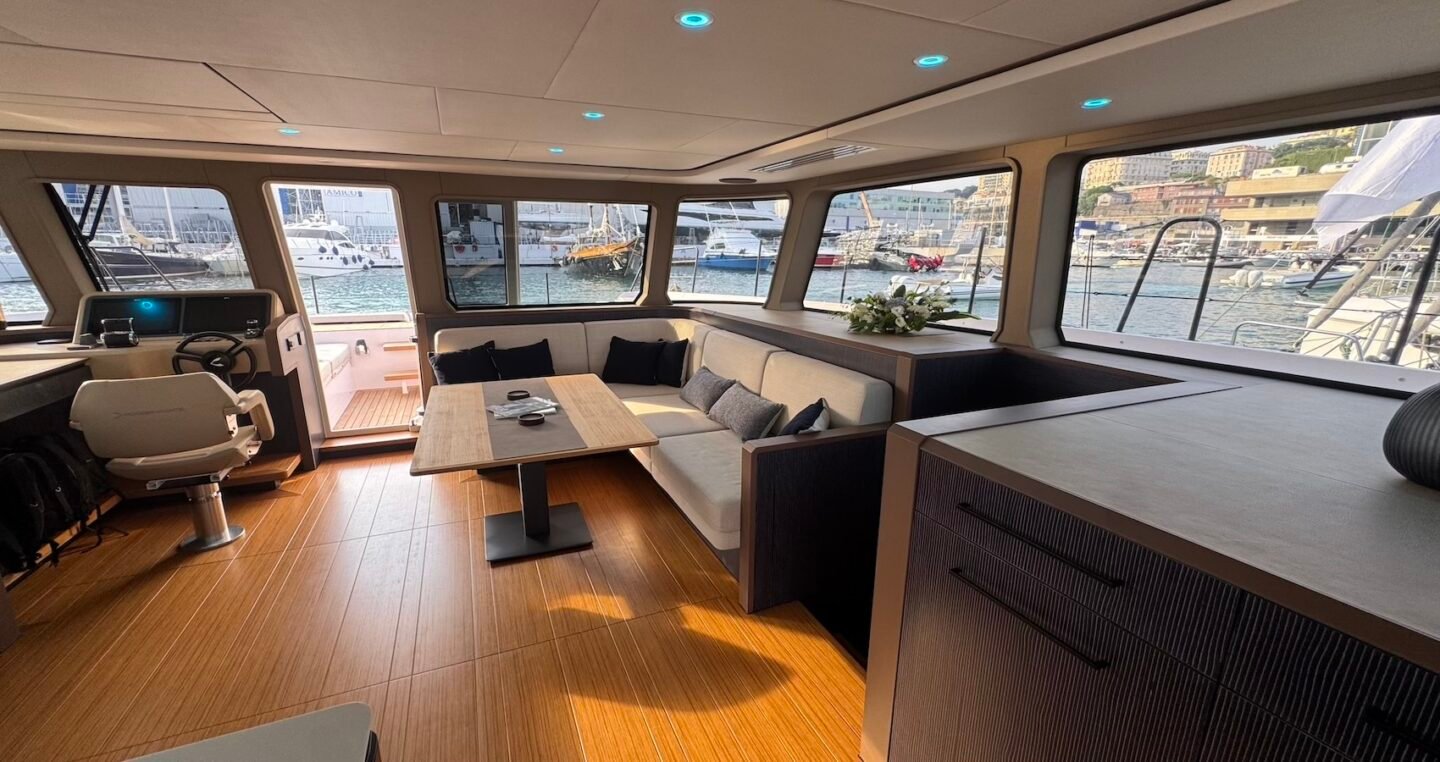
The Pioneer PY60 originates from Mr. Frank’s idea of wanting a vessel that would allow spending a lot of time at sea, in total relaxation, without the disturbance created by engines, enjoying great autonomy even for onboard services (4 fridges, air conditioning, desalinator, etc.).
This was made possible by combining German quality in engineering and construction (Stralsund shipyards) with Italian design, through the intervention of the Cossutti & Ganz studio for the elegant profile and harmonious proportions, and the minimalism of Arch. Micheletti for the creation of the interiors, synonymous with quiet luxury.
The layout of a villa at sea
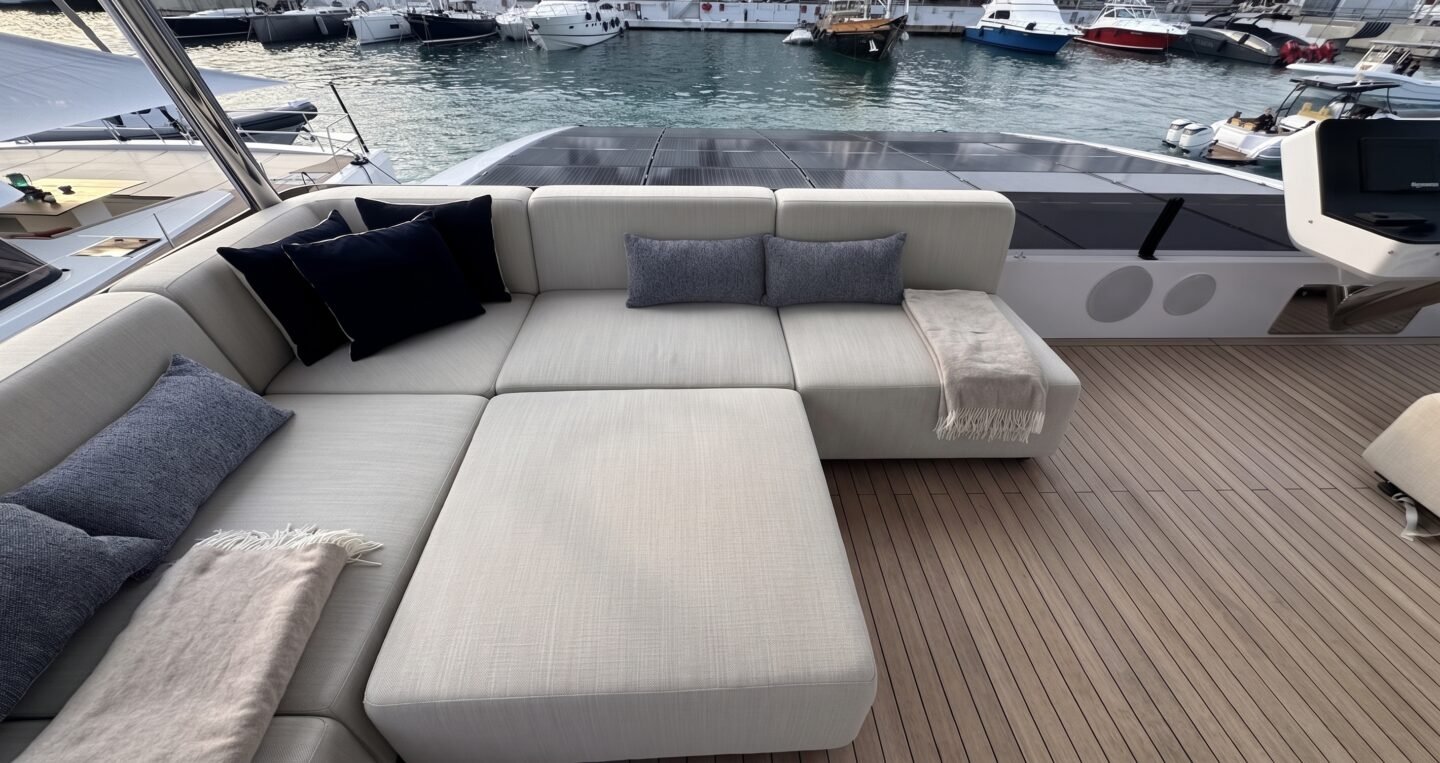
The PY60 has truly large spaces, totaling about 250 sqm spread over three levels: very wide walkways for unobstructed passage from stern to bow; the cockpit and dinette form a single open space with neutral-toned wooden finishes, without bright colors; wide sofas and seating are strategically placed throughout the deck. On the Fly, in addition to the control console, there is a large and welcoming C-shaped sofa to enjoy unique moments, sipping a beer or excellent rosé at sunset or during a quiet navigation, a life on board dedicated to total comfort.
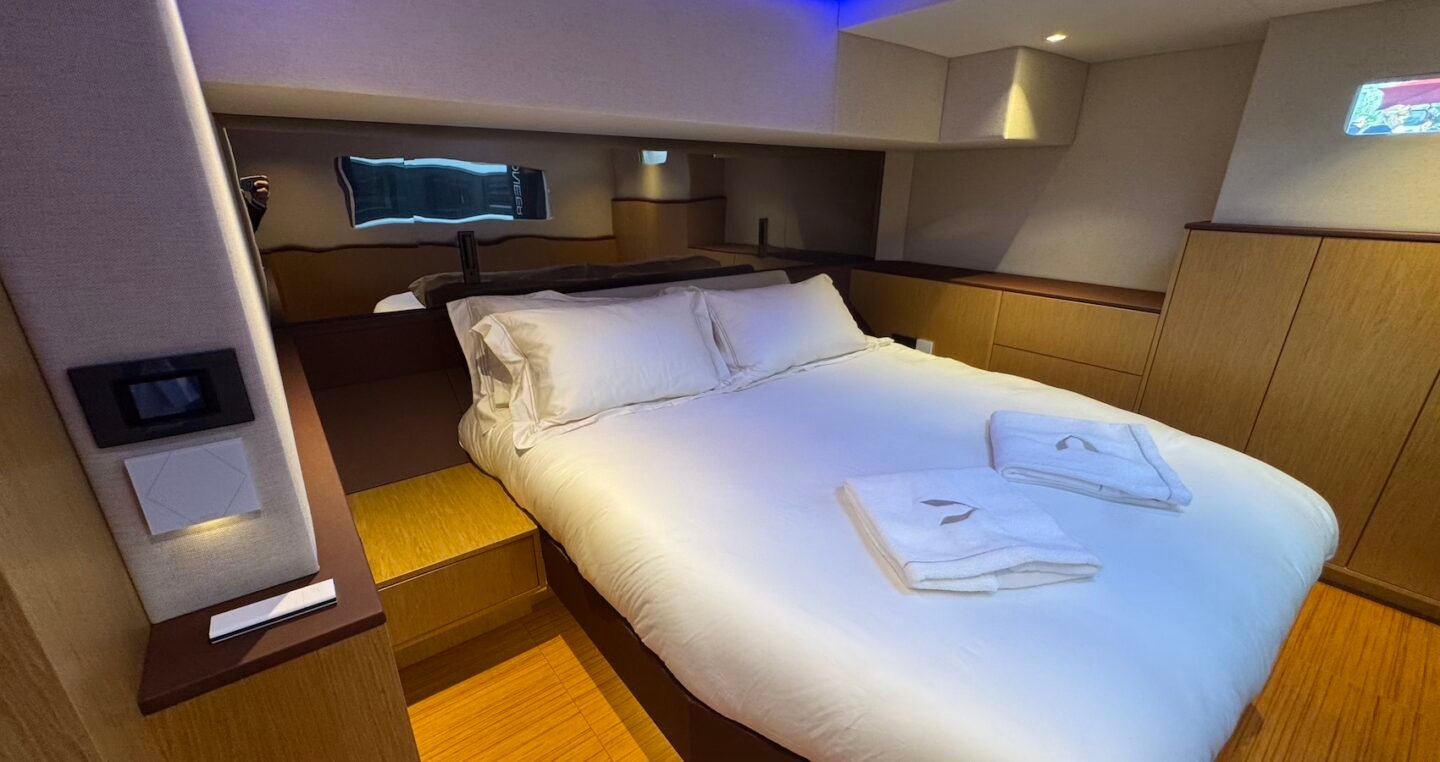
To maximize the efficiency of the electric motors, the shipyard focused on reducing displacement, the number one enemy of efficient navigation. For this reason, the Pioneer PY60 is not built with traditional fiberglass layering, but through an advanced vacuum infusion process with high-performance epoxy or vinylester resins and a sandwich core, ensuring an exceptional strength-to-weight ratio.
Designed to offer a silent onboard experience, the layout also integrates high-quality sound-absorbing materials to isolate the few mechanical components (such as motors and generators). At the same time, the high thermal insulation of the interiors reduces the energy impact of air conditioning.
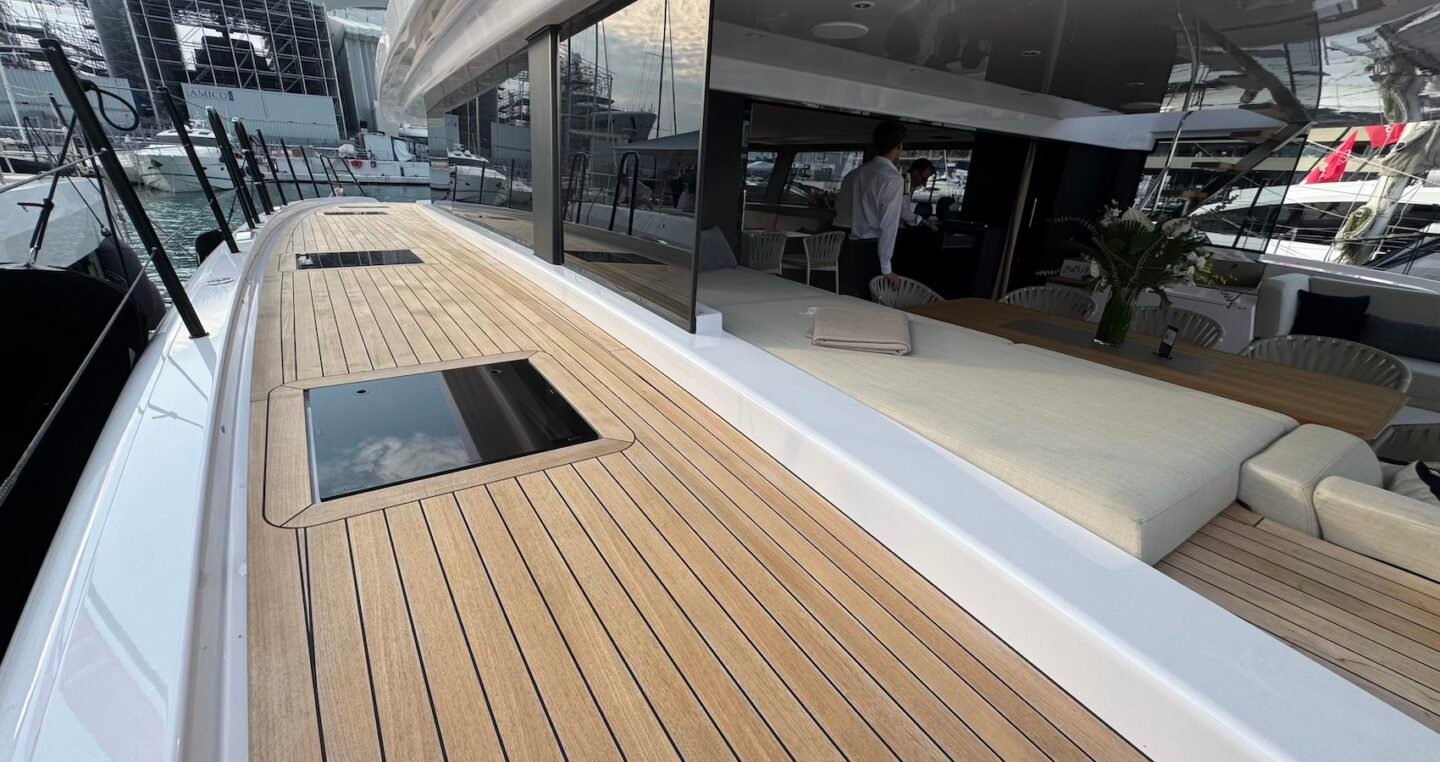
Where the sustainable strength of this catamaran originates
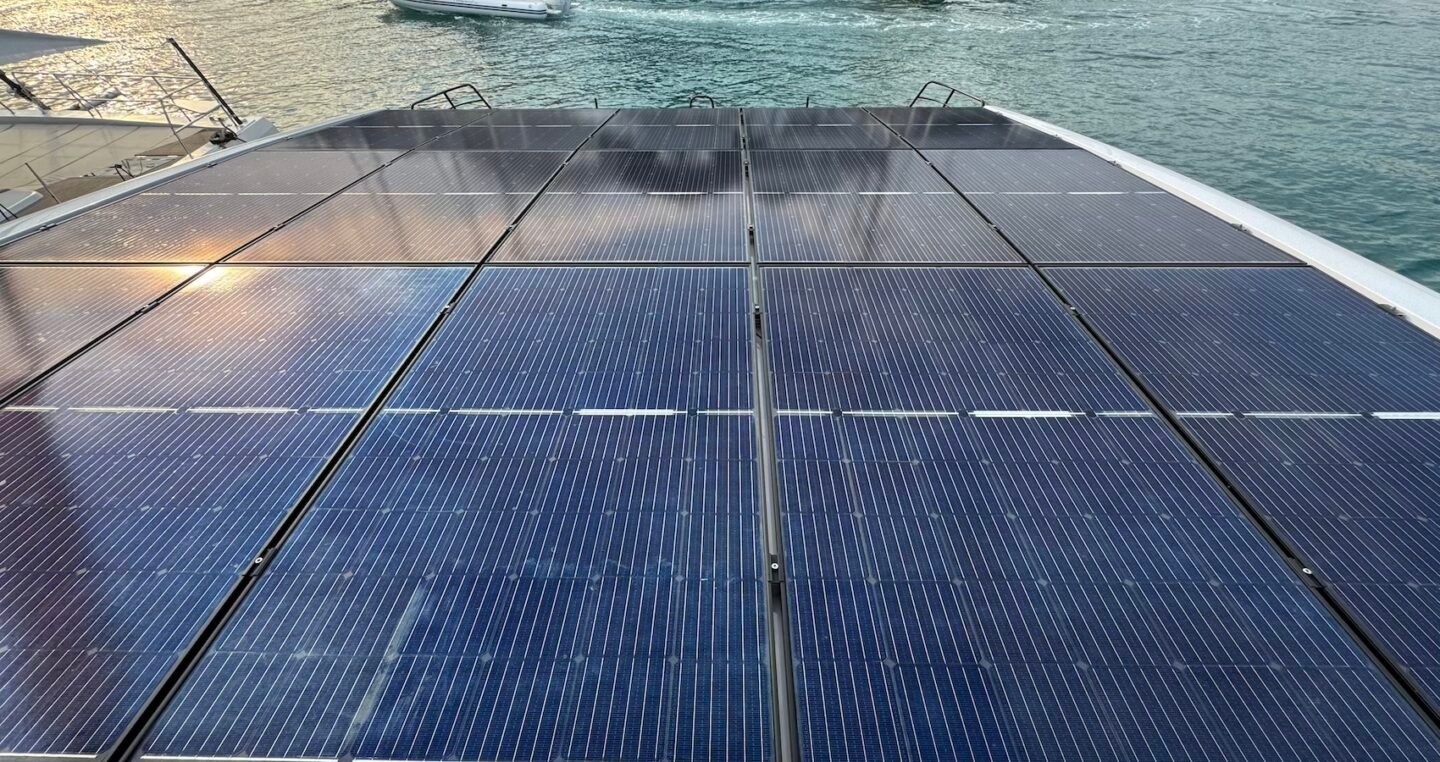
Moving to the Fly, we can perceive how the energy autonomy of this catamaran has been designed, with solar panels installed on all available surfaces that allow for battery recharging. This enables the PY60 to have an autonomy of about 150 miles at 5-6 knots of speed (which increases to 5,000 nautical miles in hybrid mode with a maximum speed of 11 knots), with 16.7 kWp of walkable photovoltaic modules integrated flush with the flybridge structure. There are no steps, seals, or visible cables: the precision of the fittings prevents water infiltration and ensures a decade-long durability against marine exposure.
Pioneer PY60 in motion, the sensations of silence
The owner invited us to enjoy these moments of silence on the fly, allowing our attention to be captured by the sensations of the sunset and absolute peace, with no noise except for the evening breeze. Even the maneuvers for returning and docking allowed us to appreciate the absence of noise, the total reliability, and readiness of the 2 electric motors of 50 kW with a 48V architecture, supported by 16.7 kWp of solar power and a 246 kWh LFP battery pack.
Pioneer PY60: a villa at sea
Disembarking from the PY60, one cannot help but understand the philosophy that allowed for the creation of this vessel, a slow navigation focused on living life’s moments with less frenzy and more awareness. On the Pioneer PY60 “one does not sail to reach the next bay as quickly as possible, but to experience the navigation itself“, conversing quietly on the flybridge, listening to the sound of the sea, and steering without stress.
Azimut returns to the Genoa Boat Show with four units making their debut in Italy: Fly 70, Seadeck 9, Magellano 27M, which inaugurates the third generation of the crossover of the seas, and the flagship Grande 44M.
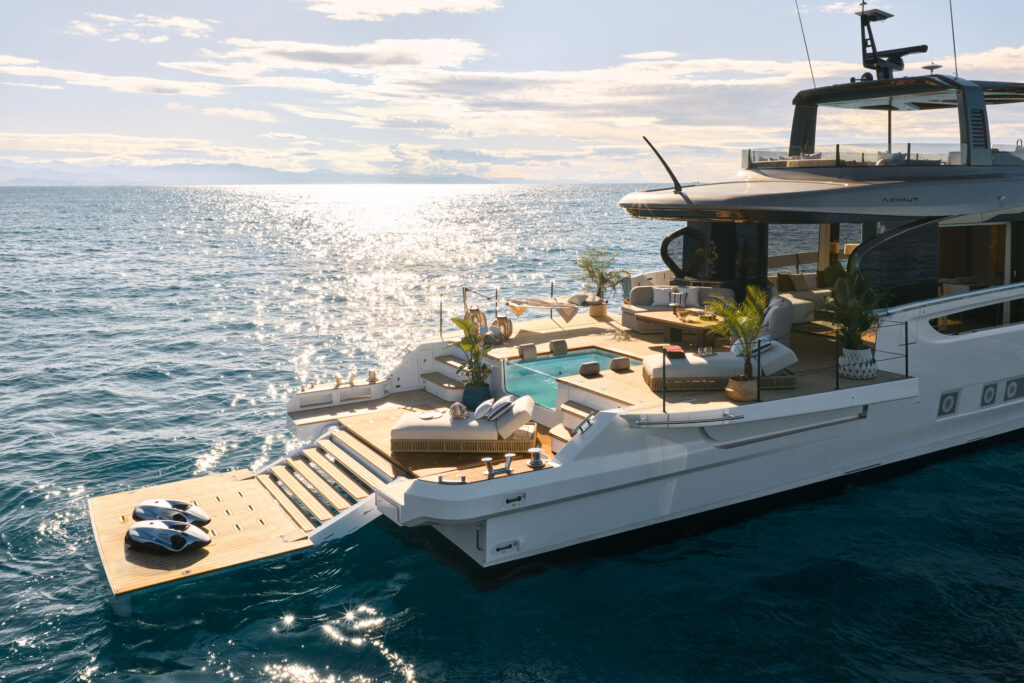
Azimut returns to the International Boat Show of Genoa where it has exhibited for the first time in Italy four new models that express the different souls of the brand, a fleet of 12 models in the water showcased the Azimut collections, ranging from Fly models, to the Magellano and Seadeck families, up to the Grande Series.
AZIMUT FLY 70: The contemporary Flybridge
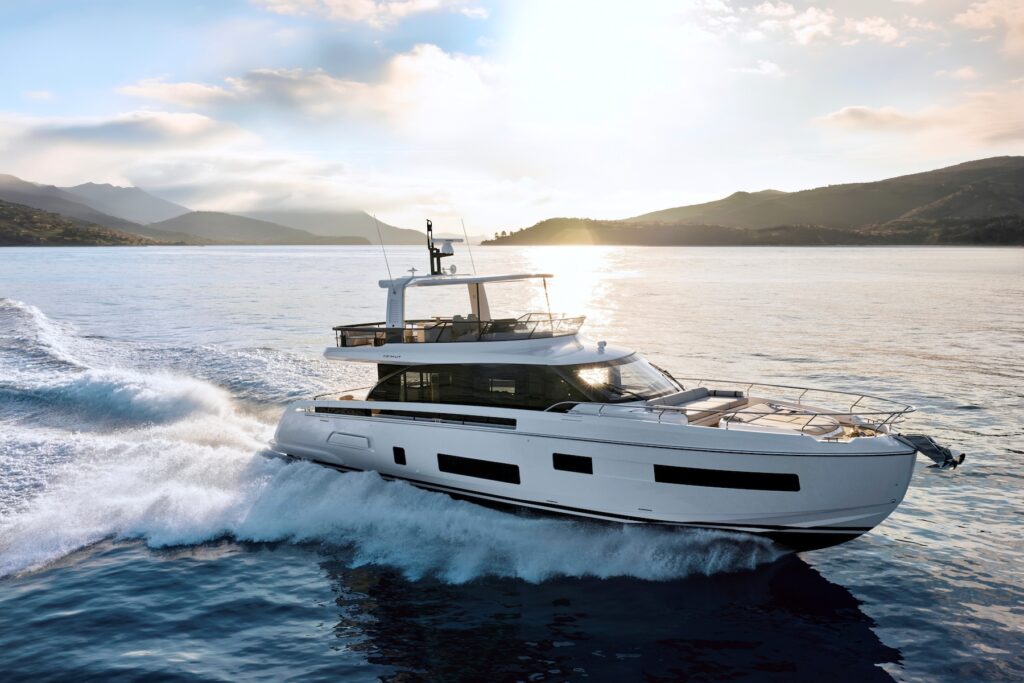
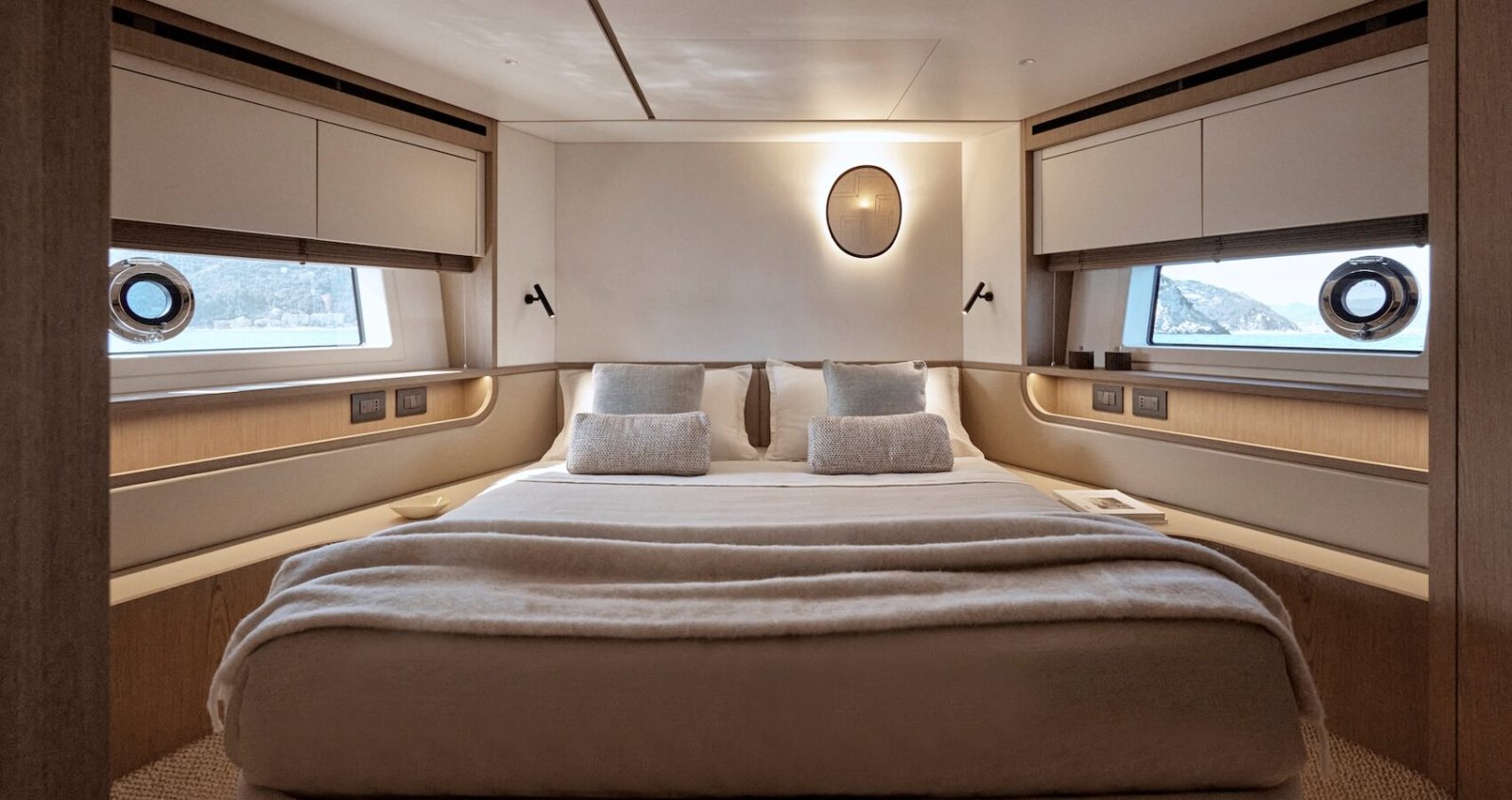
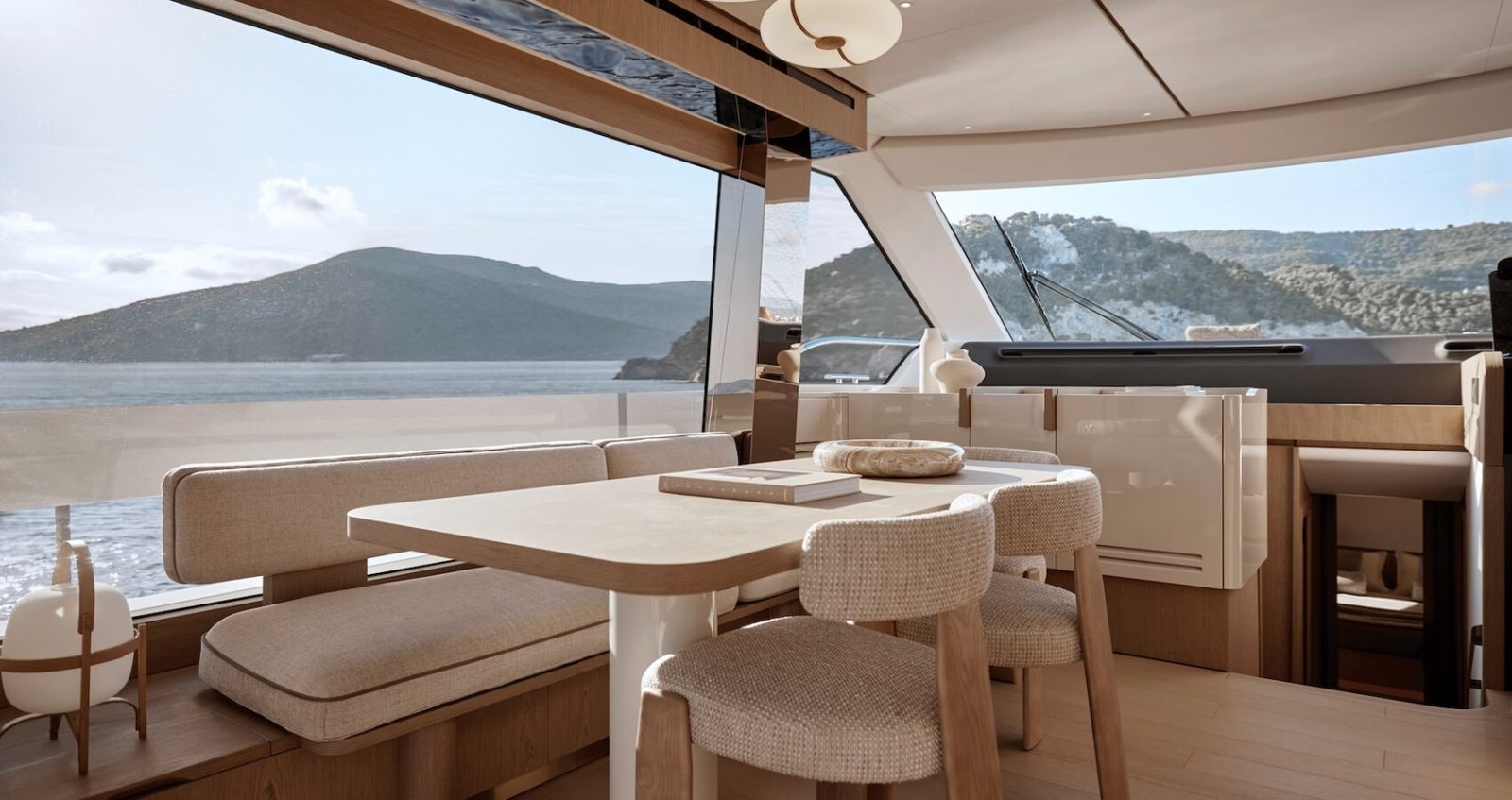
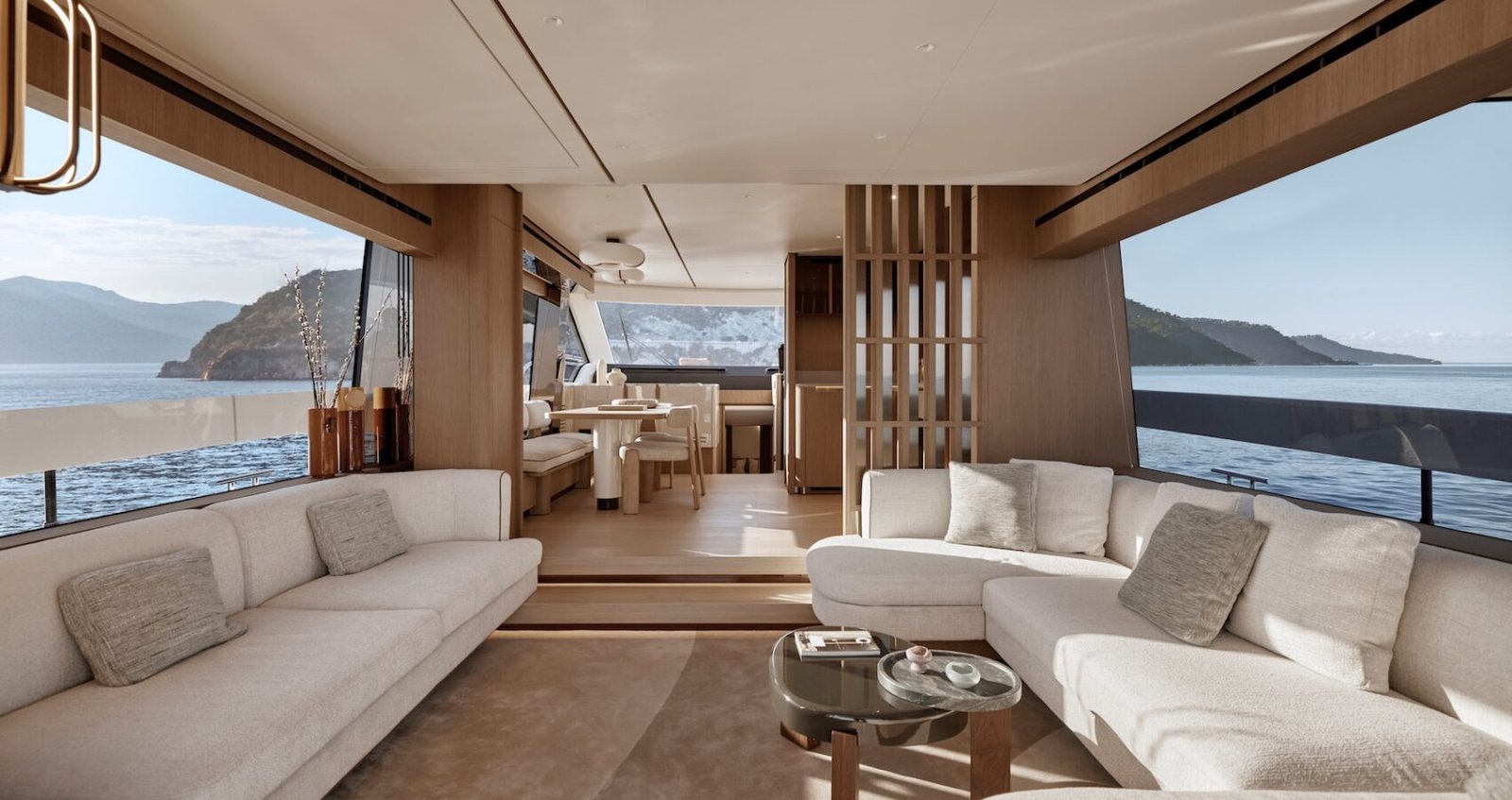
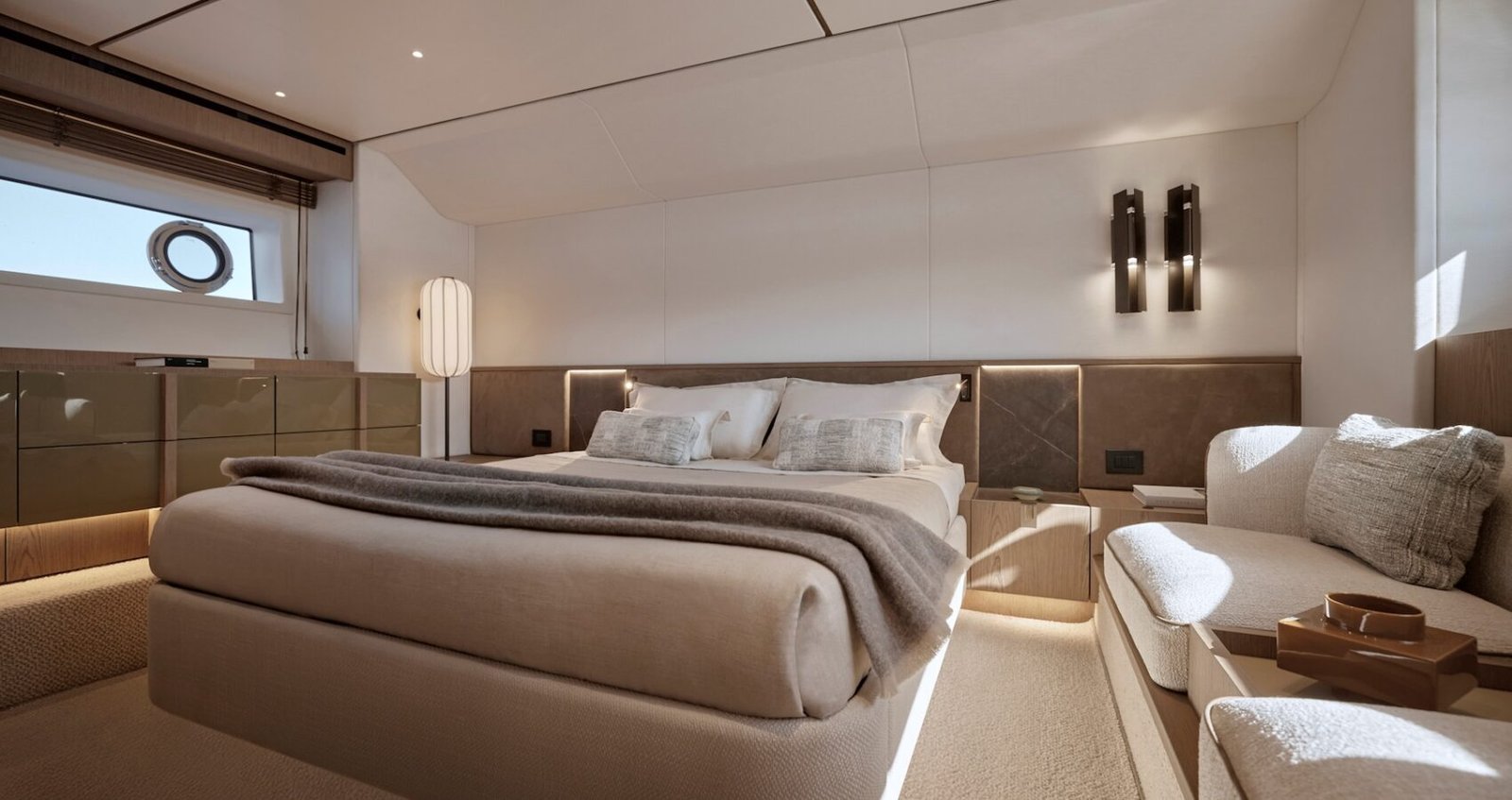
With the Italian preview of the Fly 70, Azimut enriches the exhibition at the Genoa Boat Show and showcases the expressive maturity of the flybridge, a segment that Azimut has placed at the center of the nautical imagination – determining its global success – and which continues to evolve without betraying its original vocation: to combine the sporty soul of the exteriors with the sophisticated architecture of the interiors to shape the demands of today. And the Fly 70, more than ever, embodies the yacht as a meeting space, quality time, and contact with the sea.
It is precisely by responding to these current values that Azimut’s Flybridge series reaffirms itself as a benchmark for the entire sector. Shaping the new generation is a pair of exceptional designers: Alberto Mancini for the exteriors and Fabio Fantolino for the interiors, already known for the acclaimed Fly 62, Fly 72, and Fly 82.
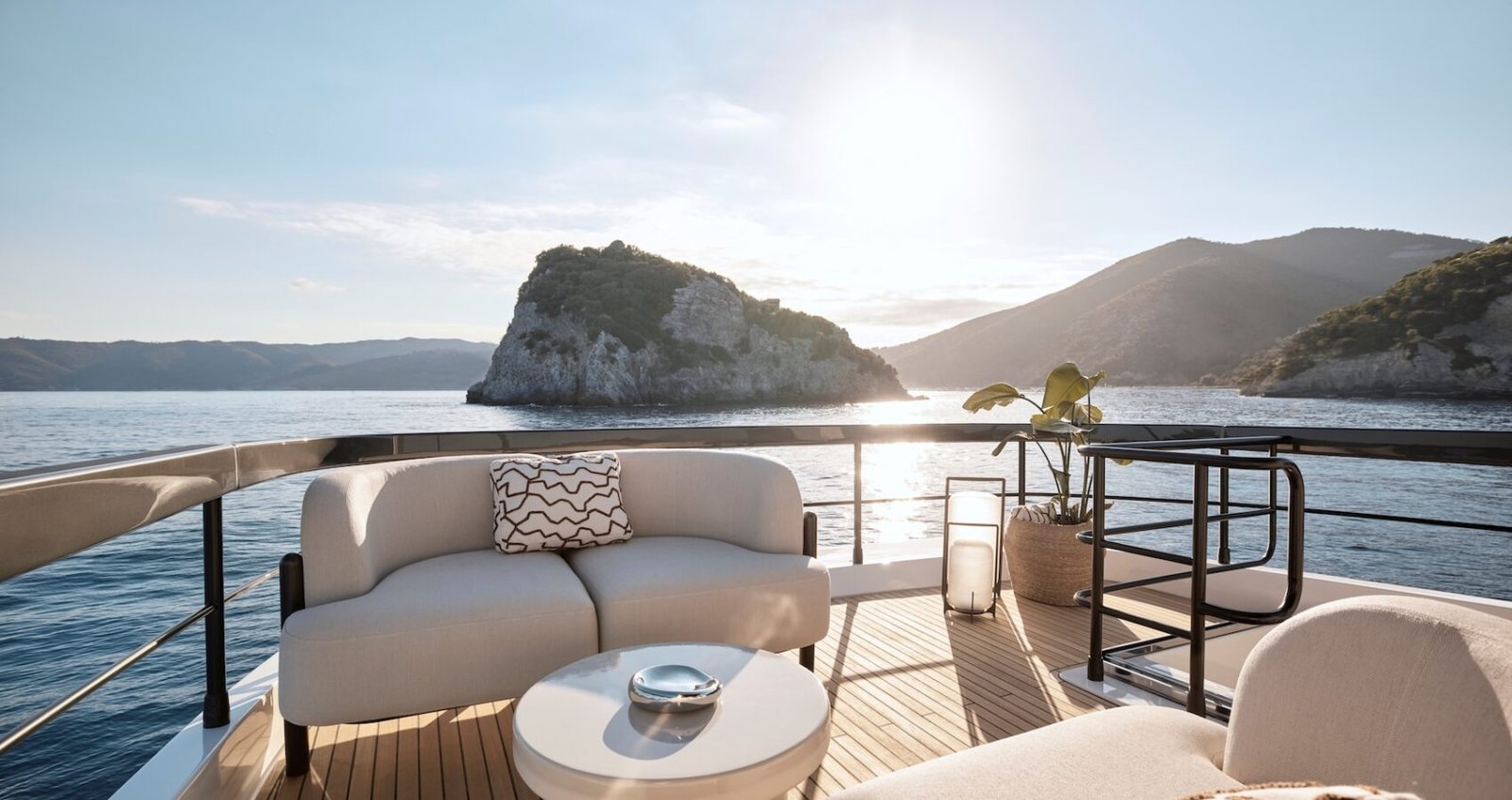
AZIMUT SEADECK 9: The time to live at sea
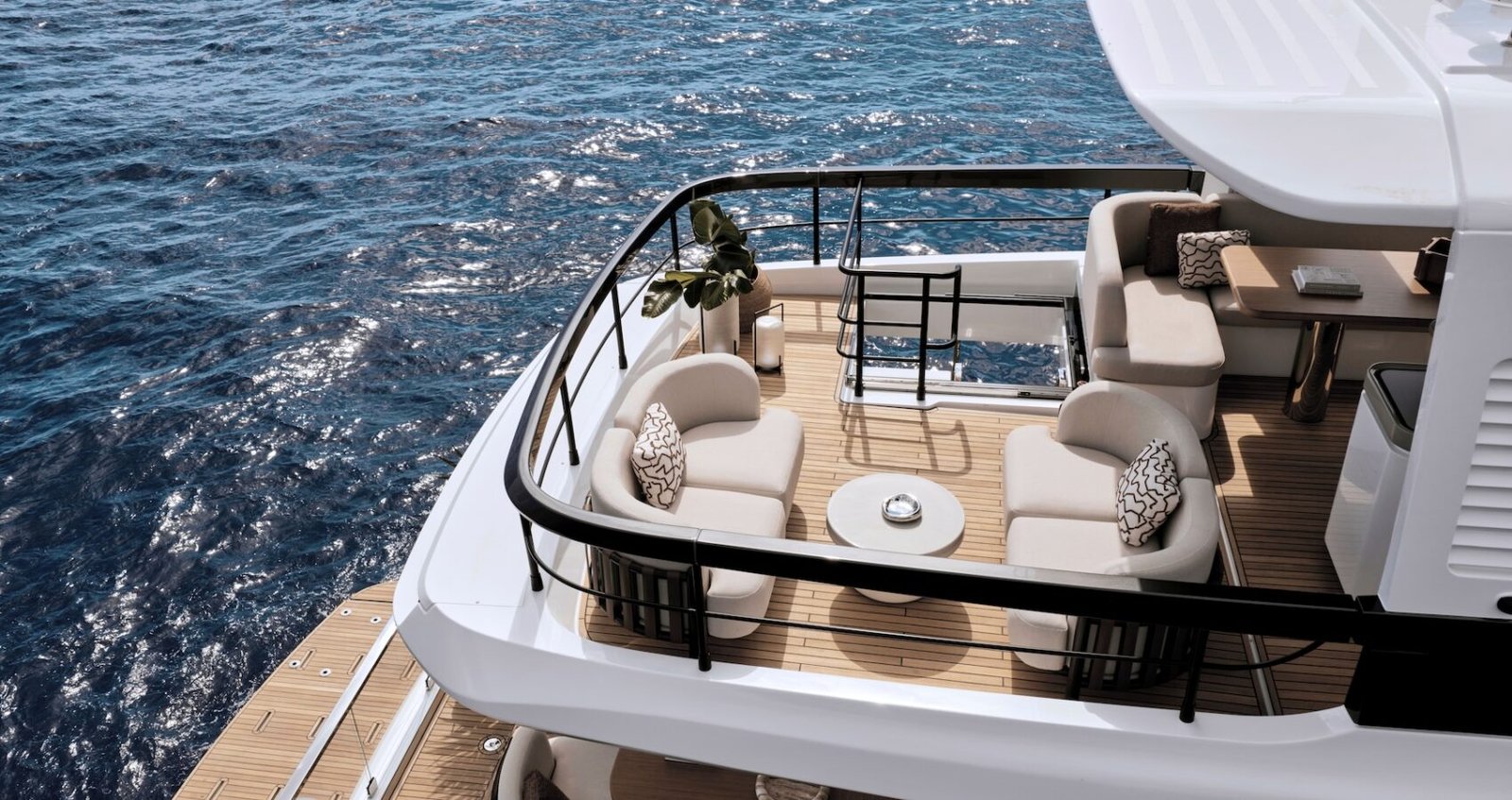
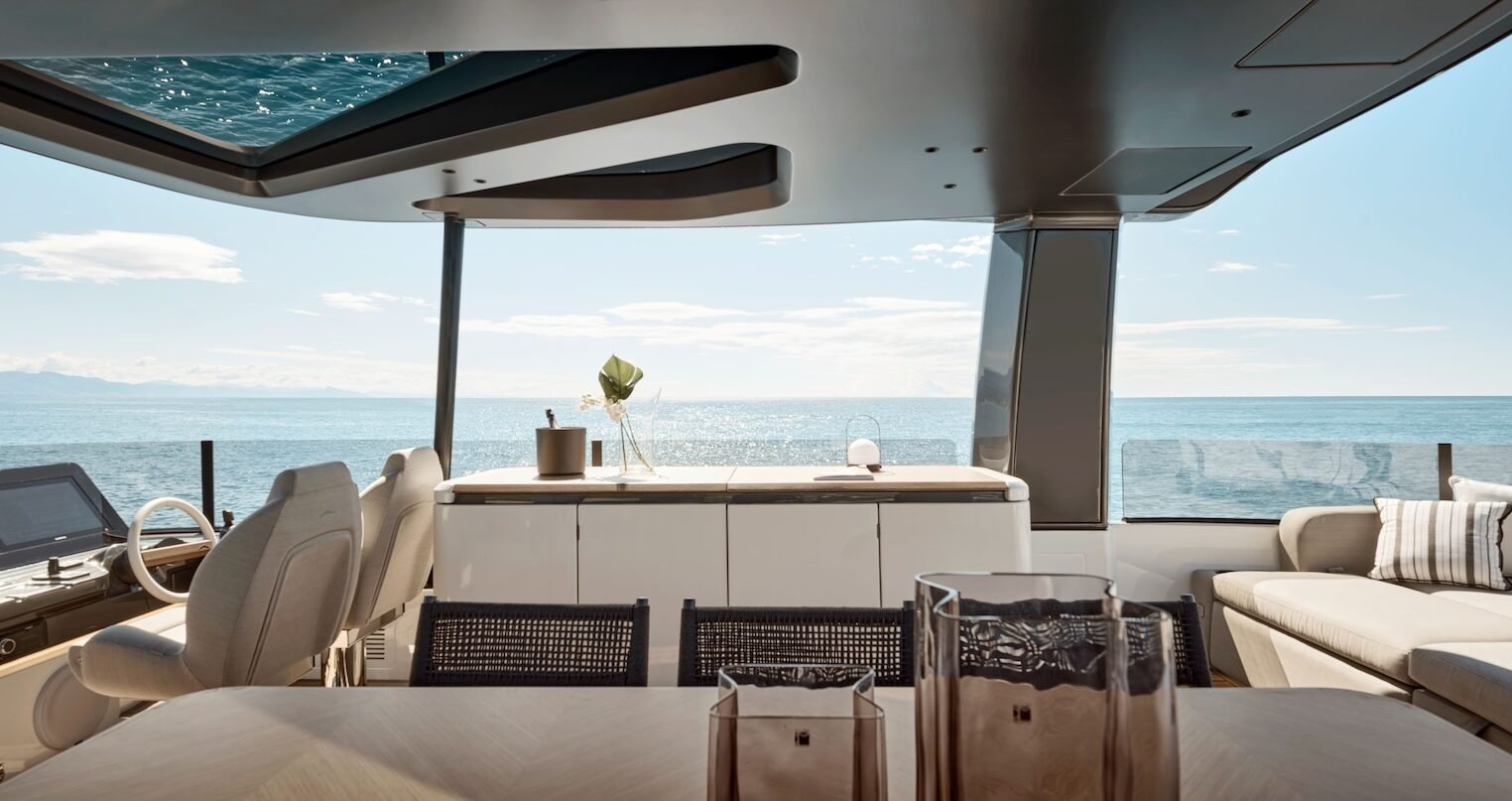
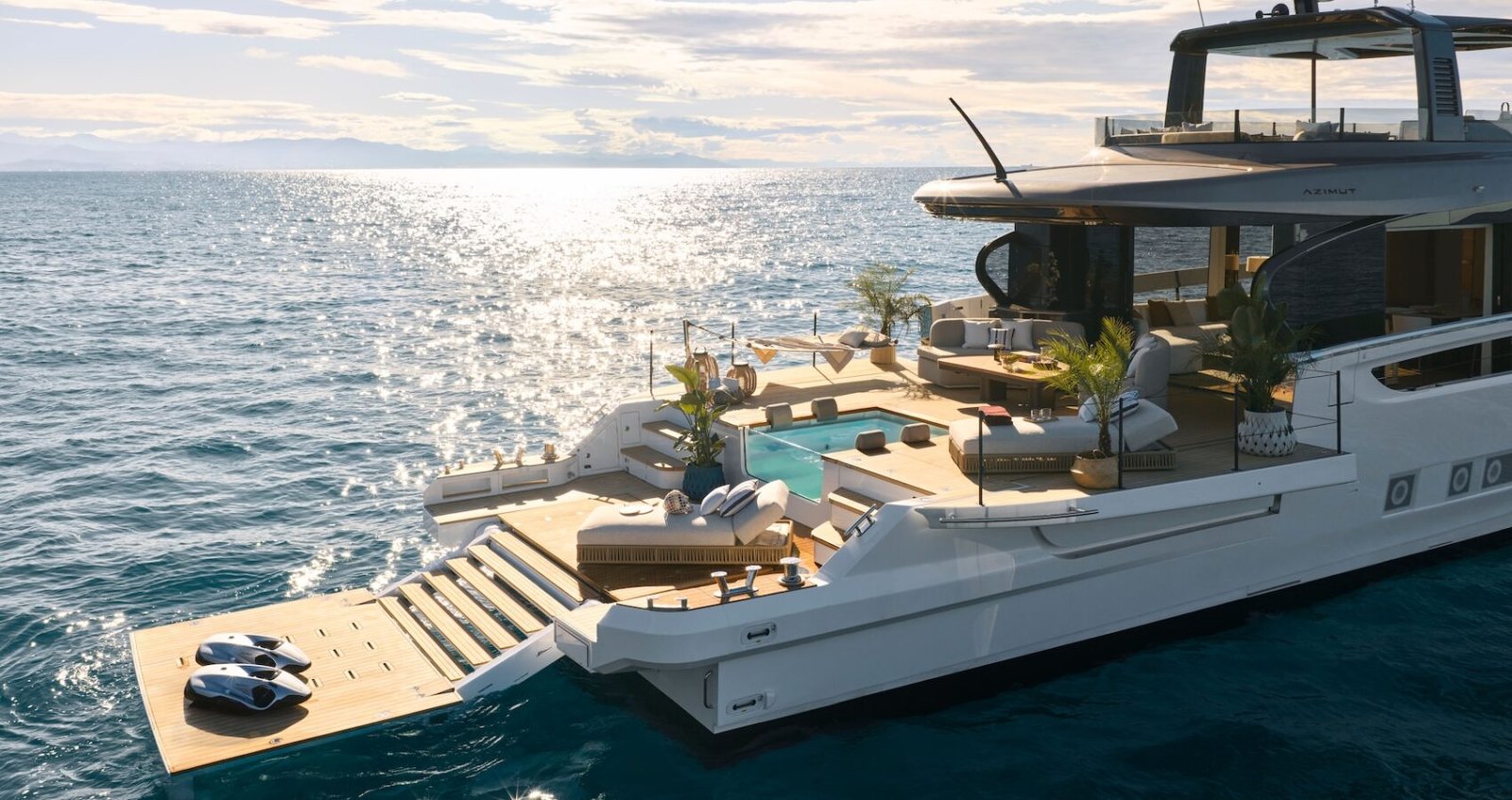
If writing about music is like “dancing about architecture,” describing the Seadeck 9 — the new model of Azimut’s Seadeck Series — is like trying to encapsulate the ocean itself in words. An impossible challenge, to which Azimut has responded by creating its most open vessel ever: if you cannot contain the sea, you can become part of it.
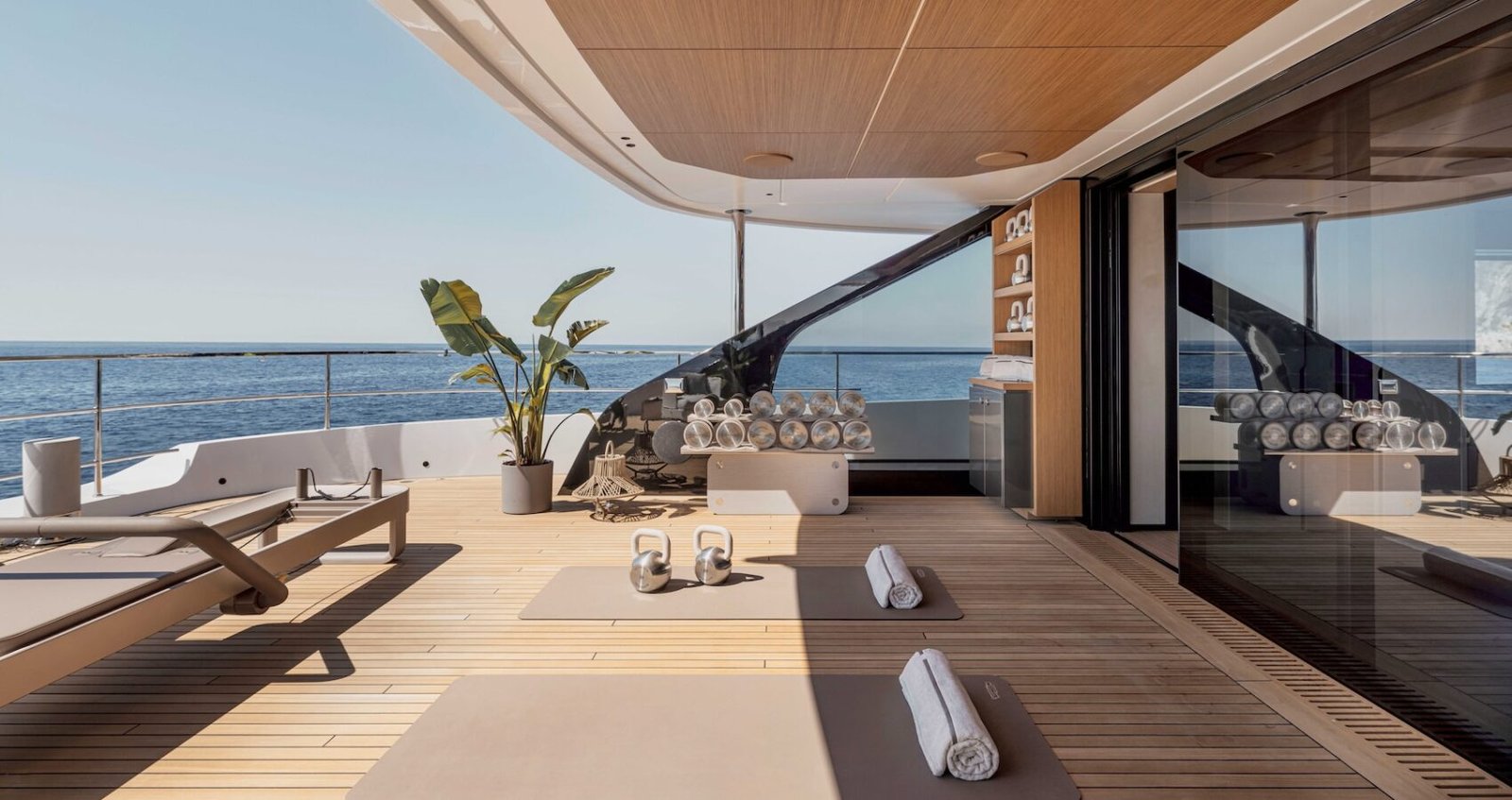
This 26-meter yacht reinterprets the classic outdoor – indoor relationship in an immersive way, creating a bridge that completely merges with nature, embracing the very elements of the sea: light, sun, and water reflecting in the sparkling plunge pool at the stern. Imagining this space animated by adults chatting and the splashes of children, it is easy to understand how Seadeck elevates the concept of wellness into wholeness, transforming the experience into life.
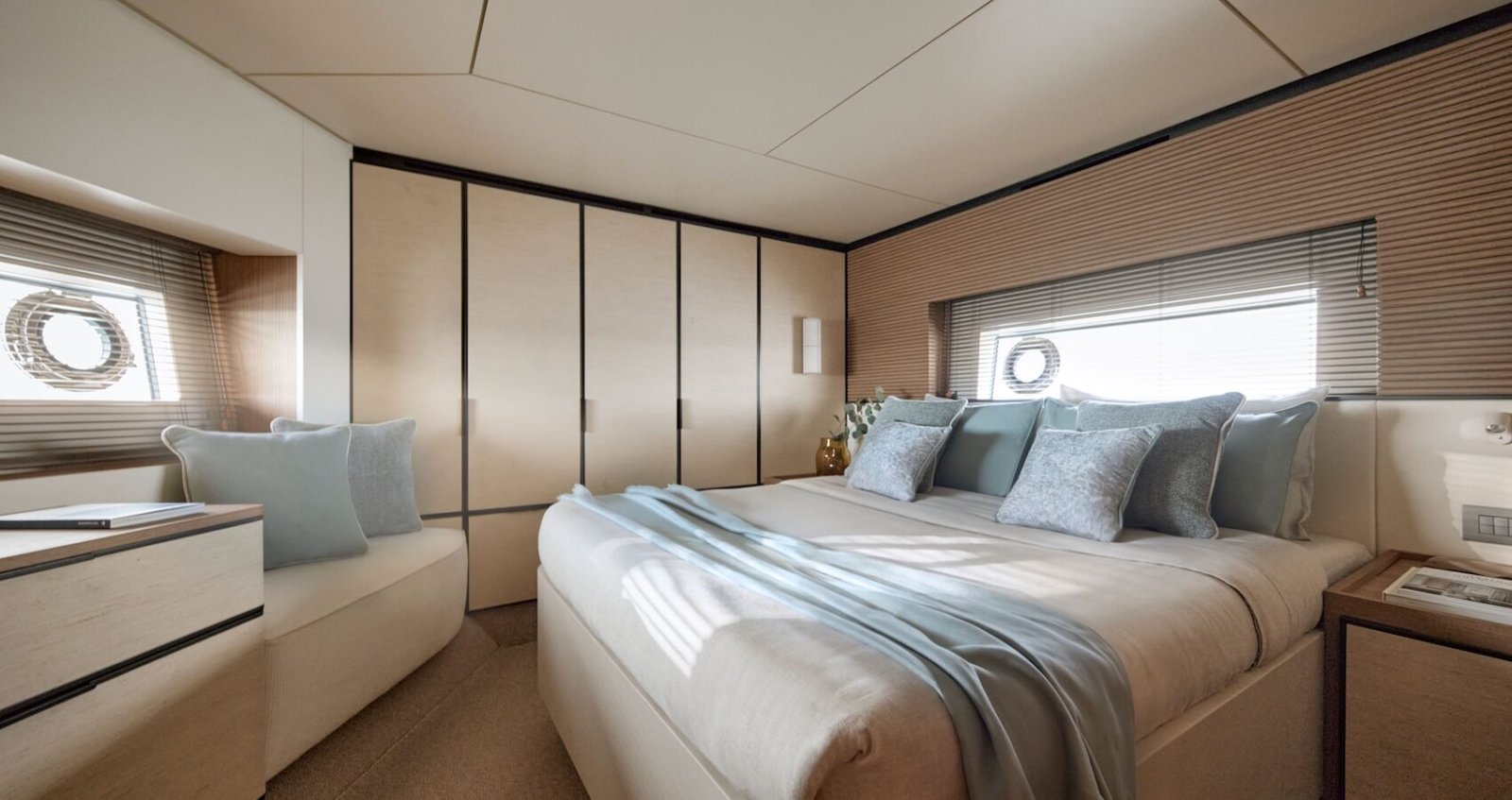
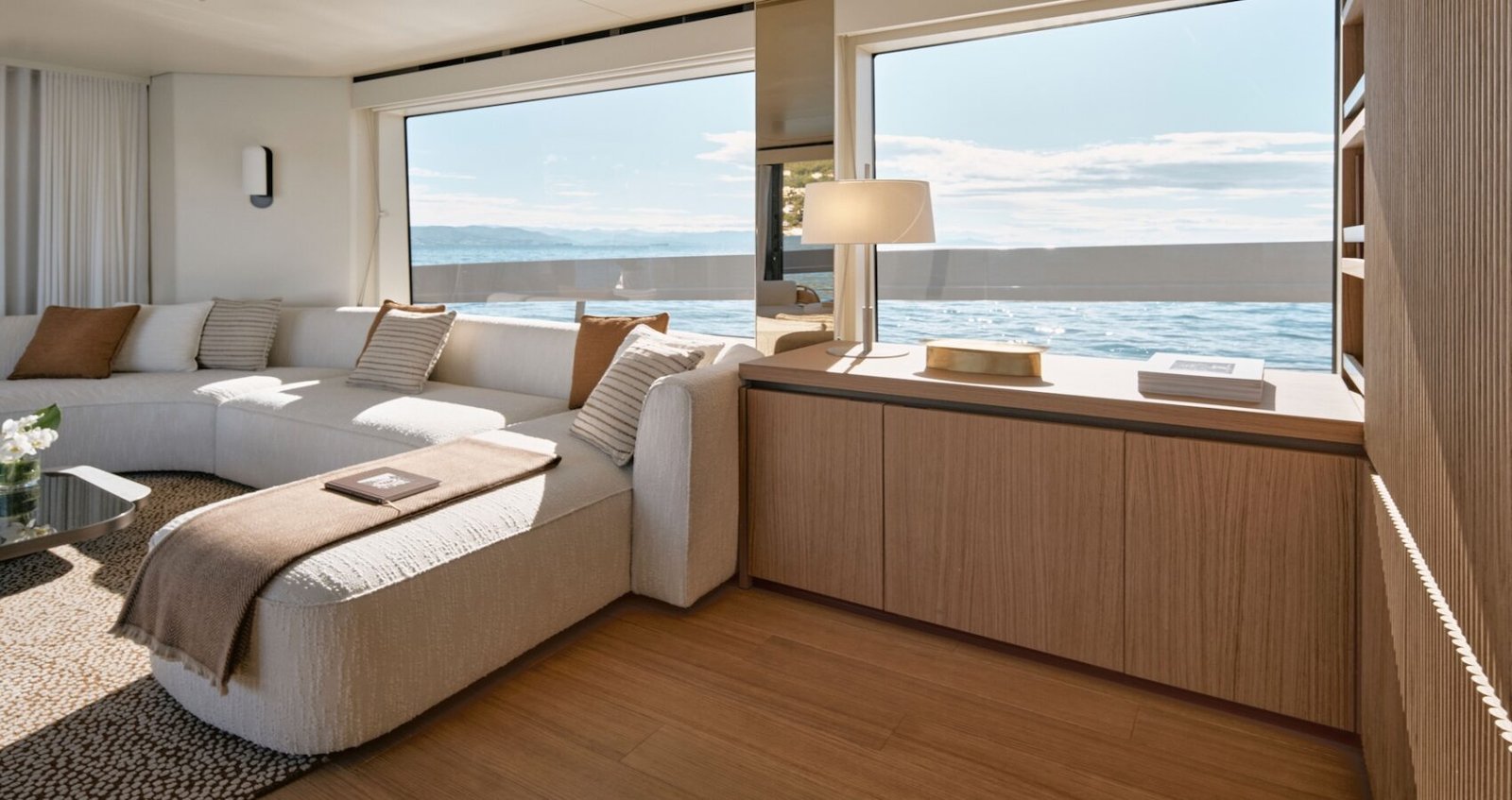
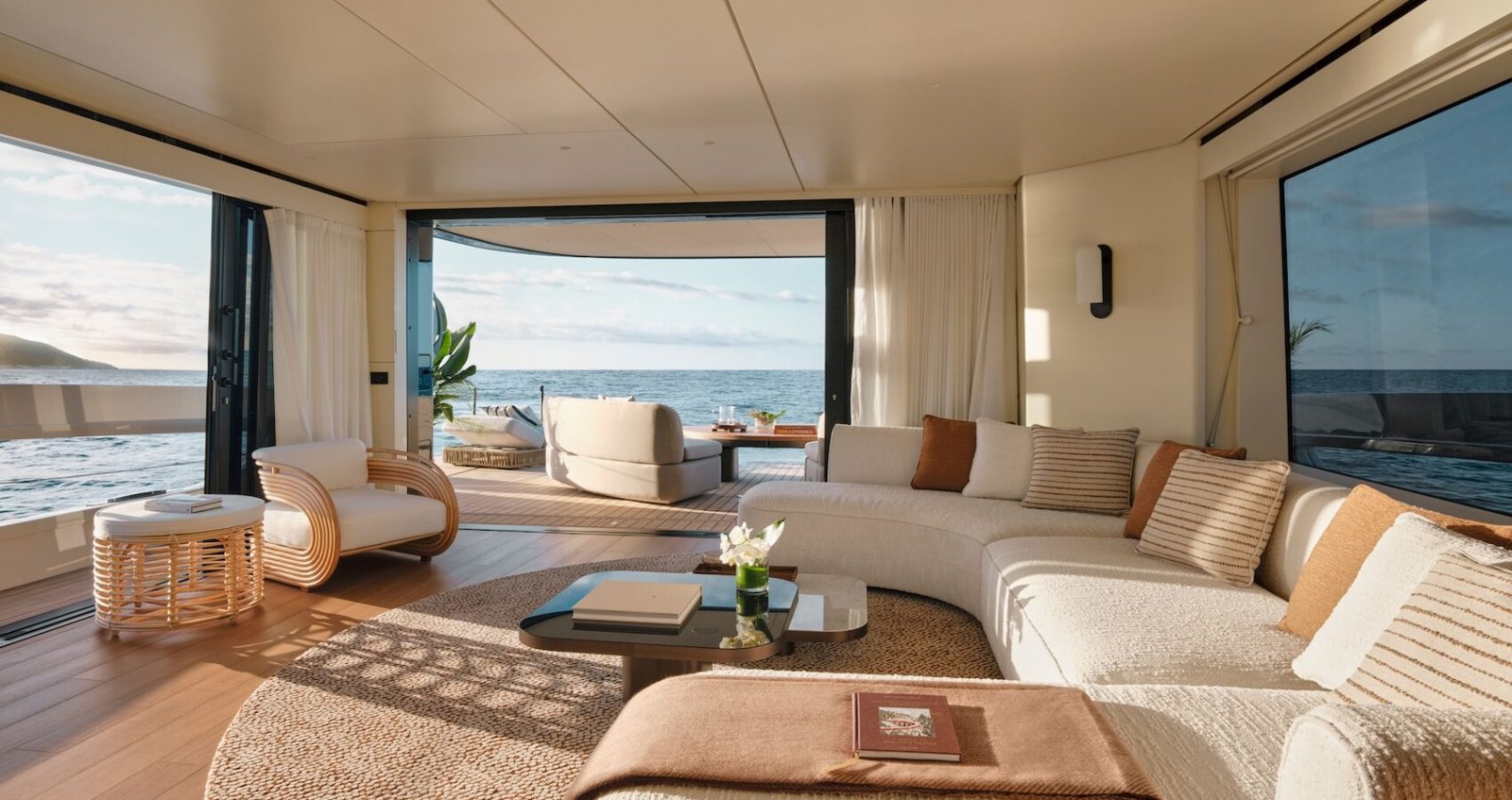
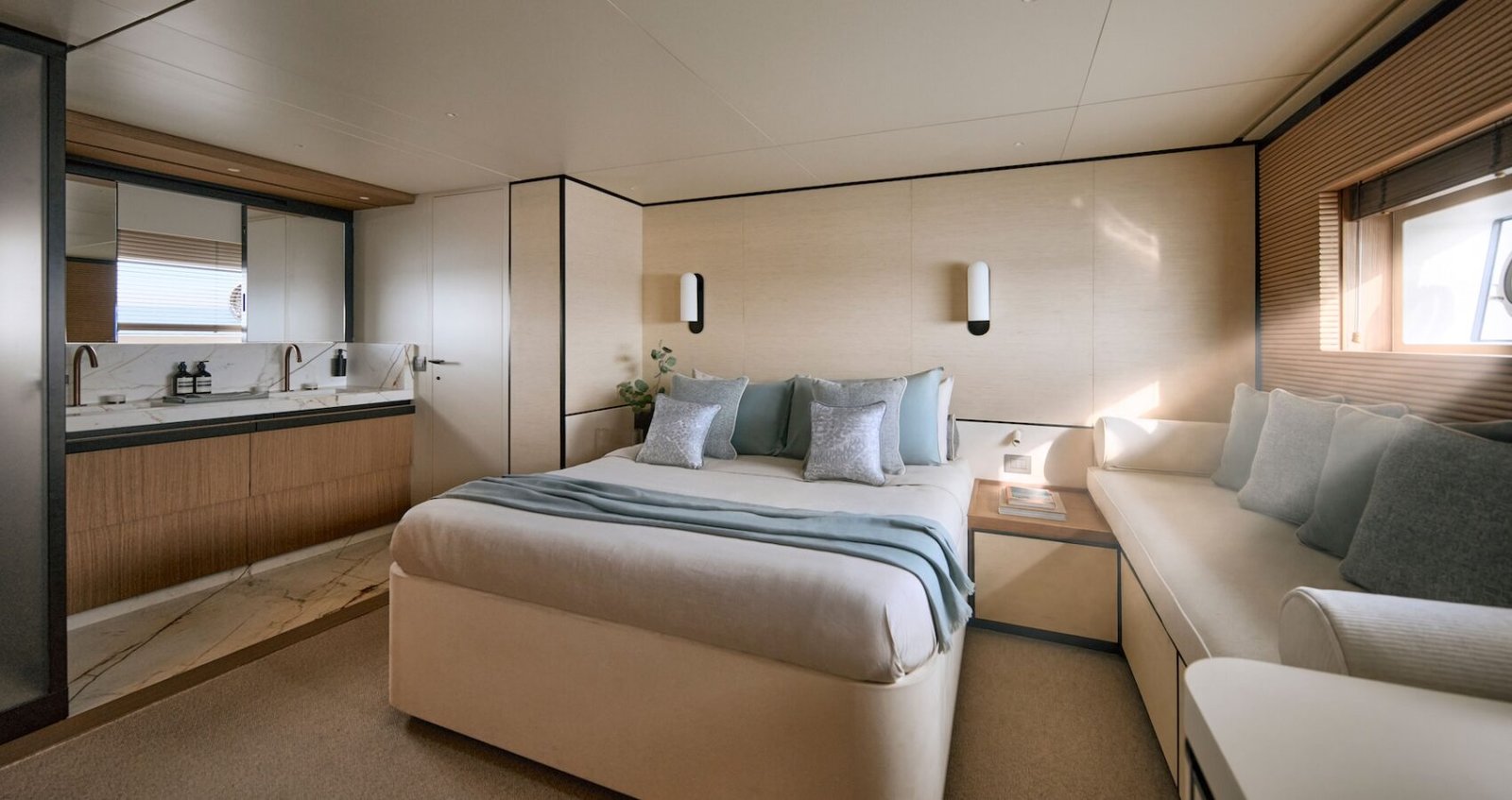
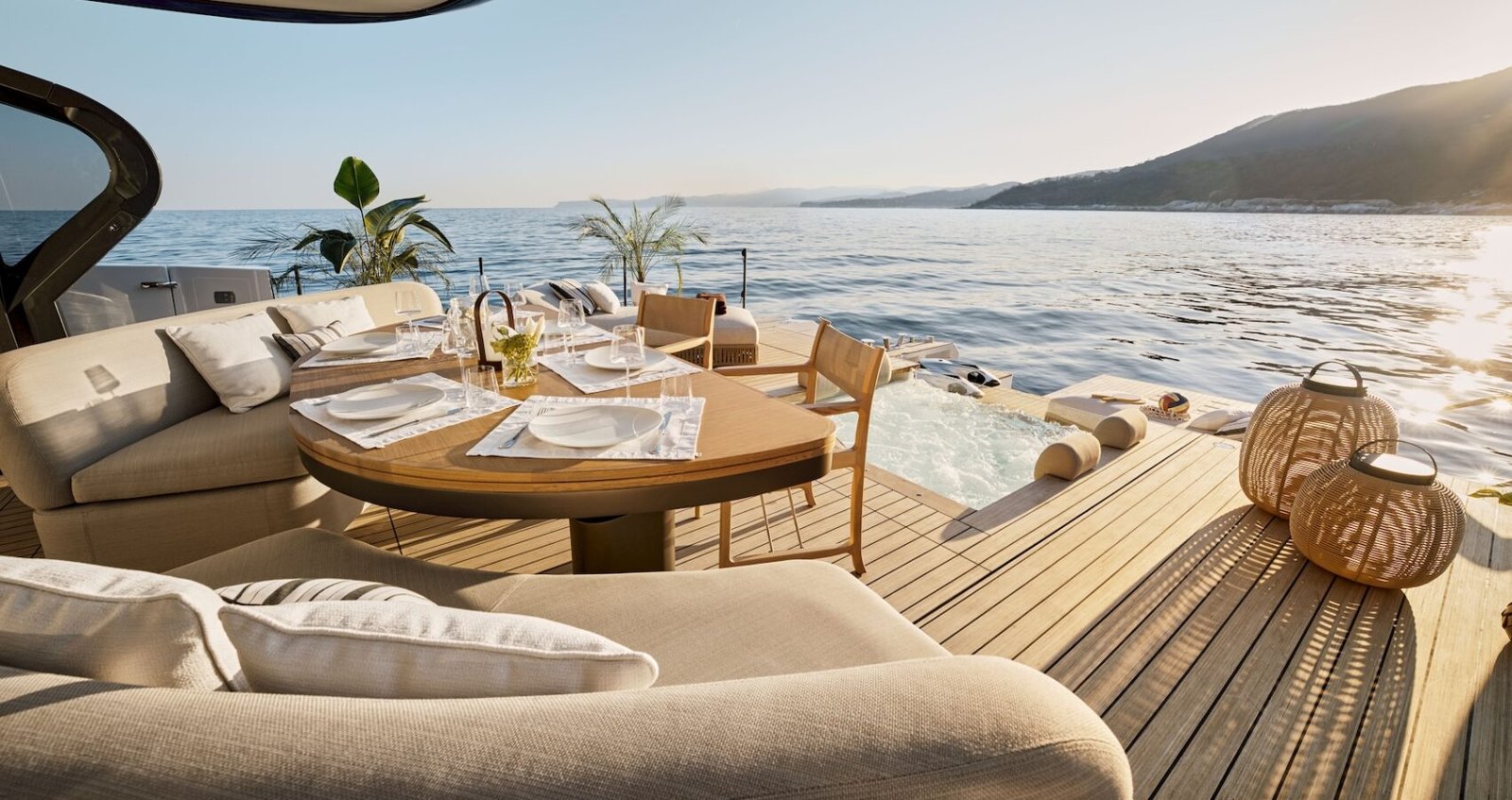
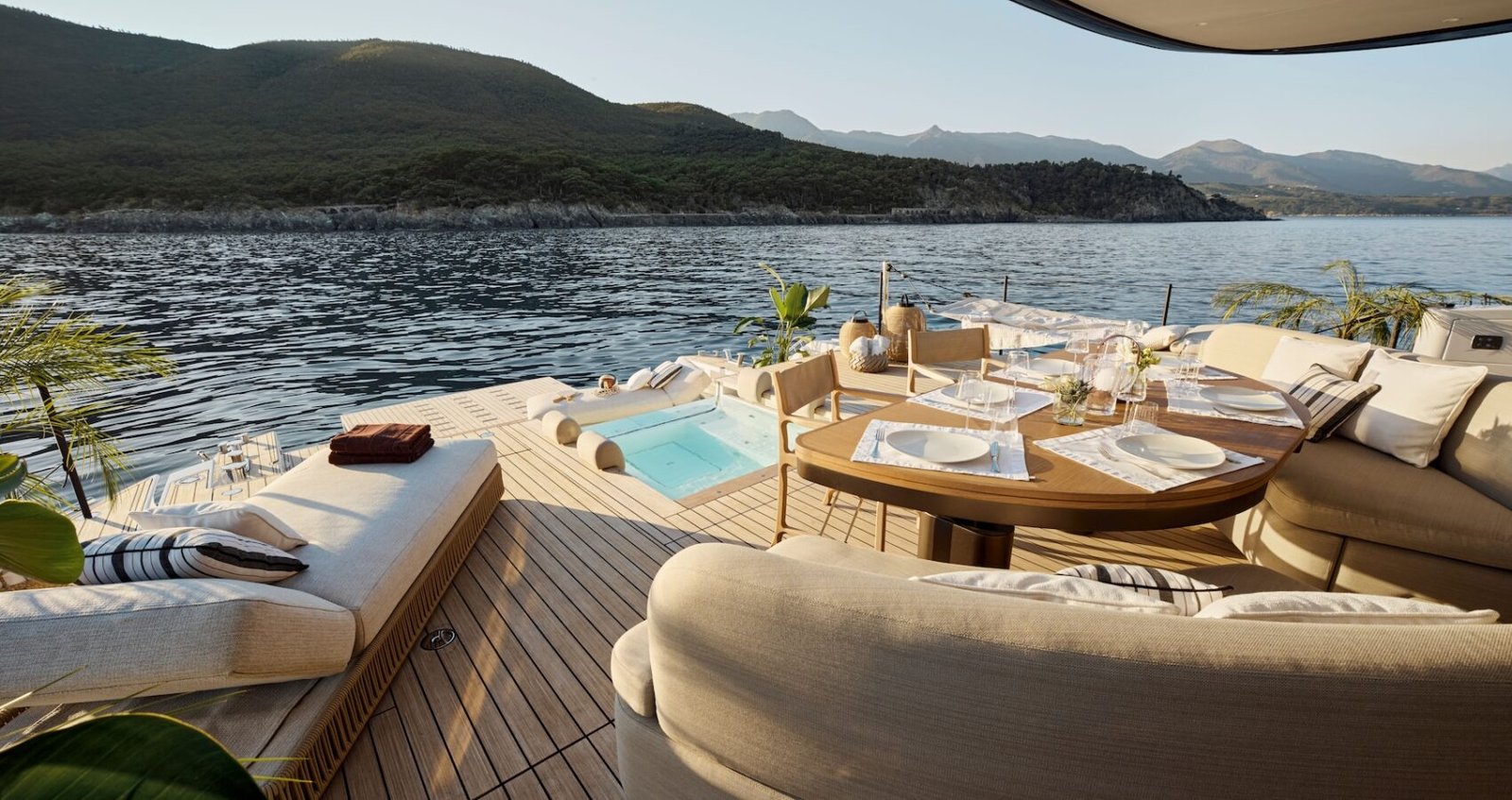
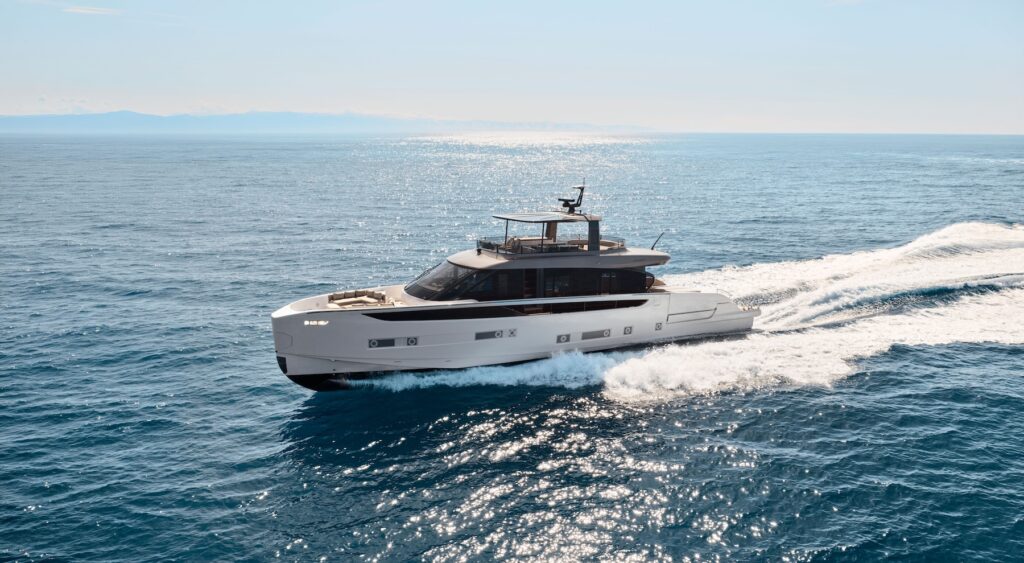
AZIMUT MAGELLANO 27M: The crossover
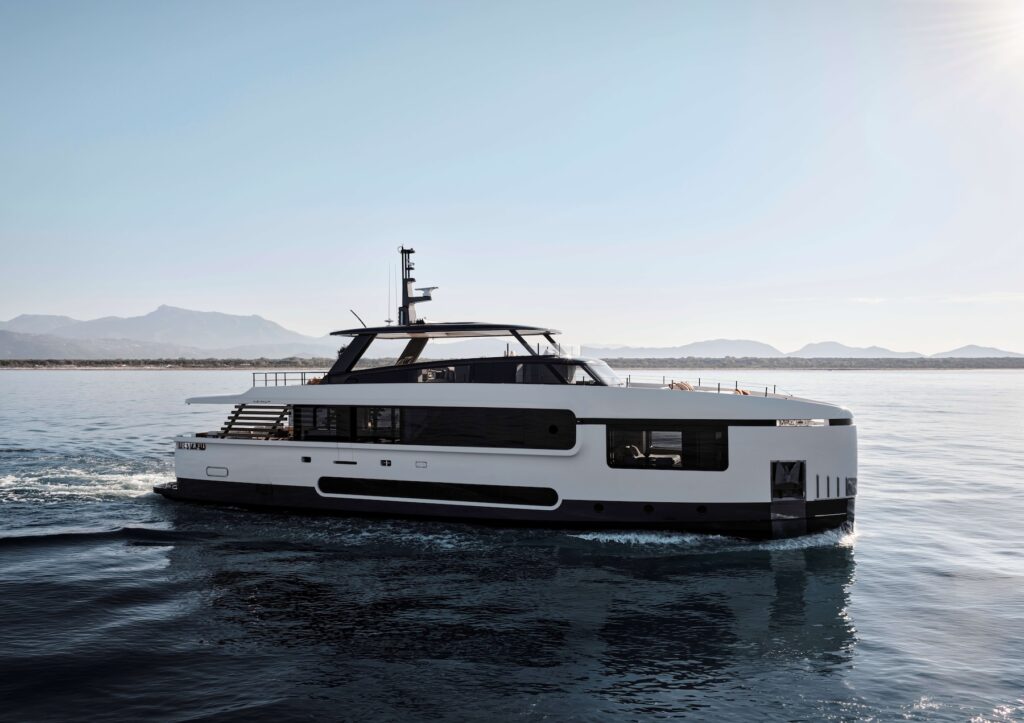
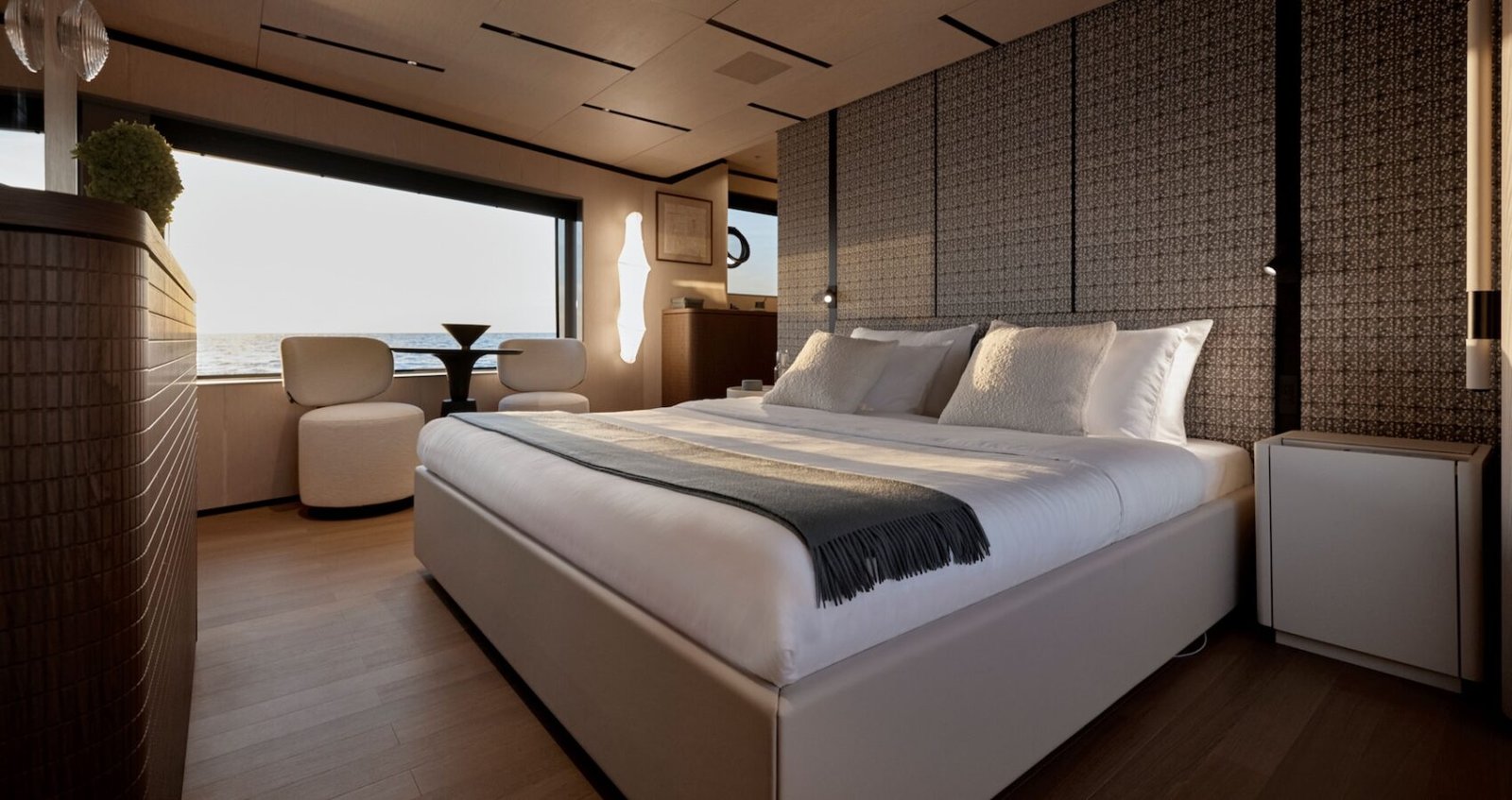
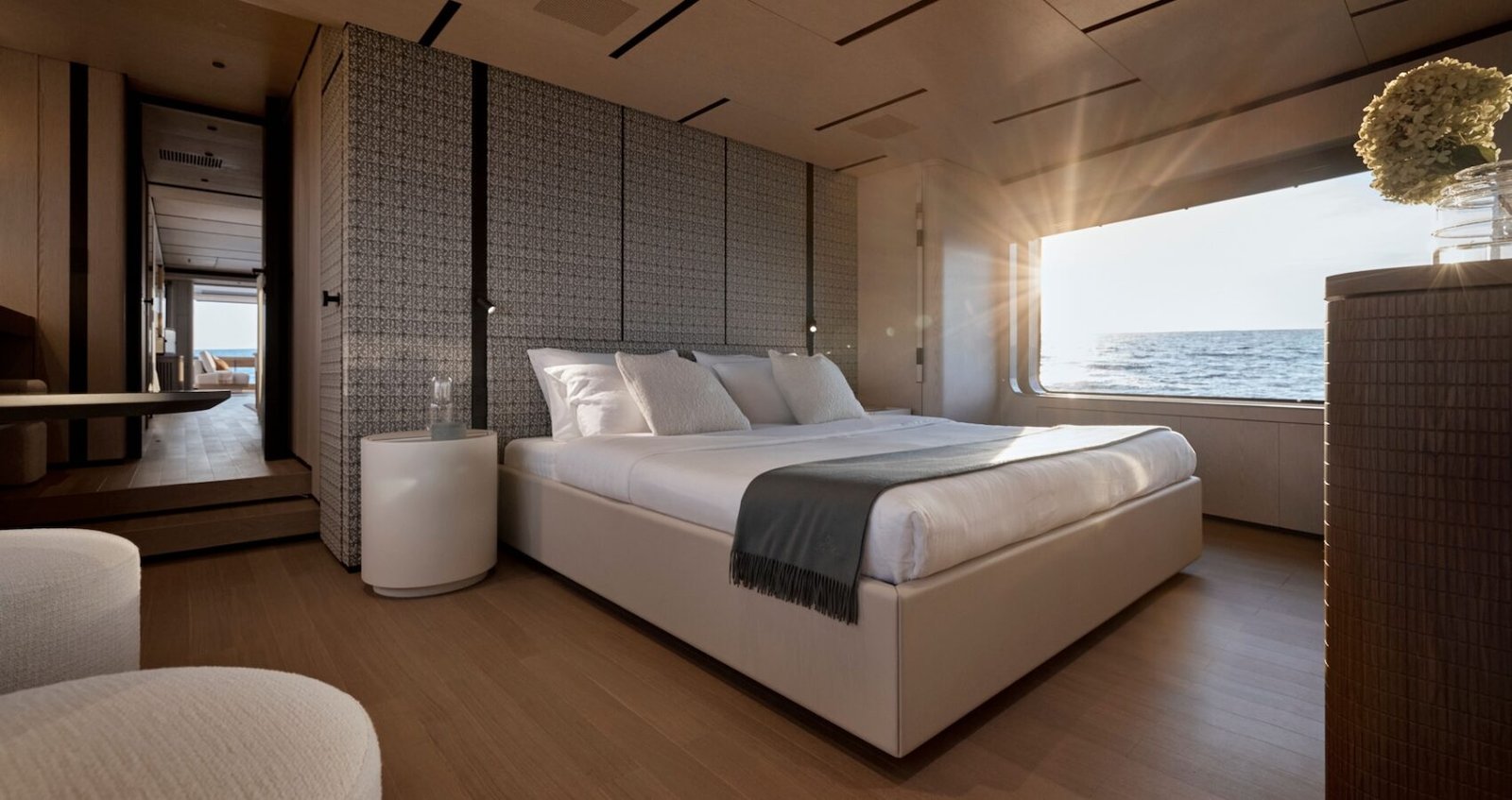
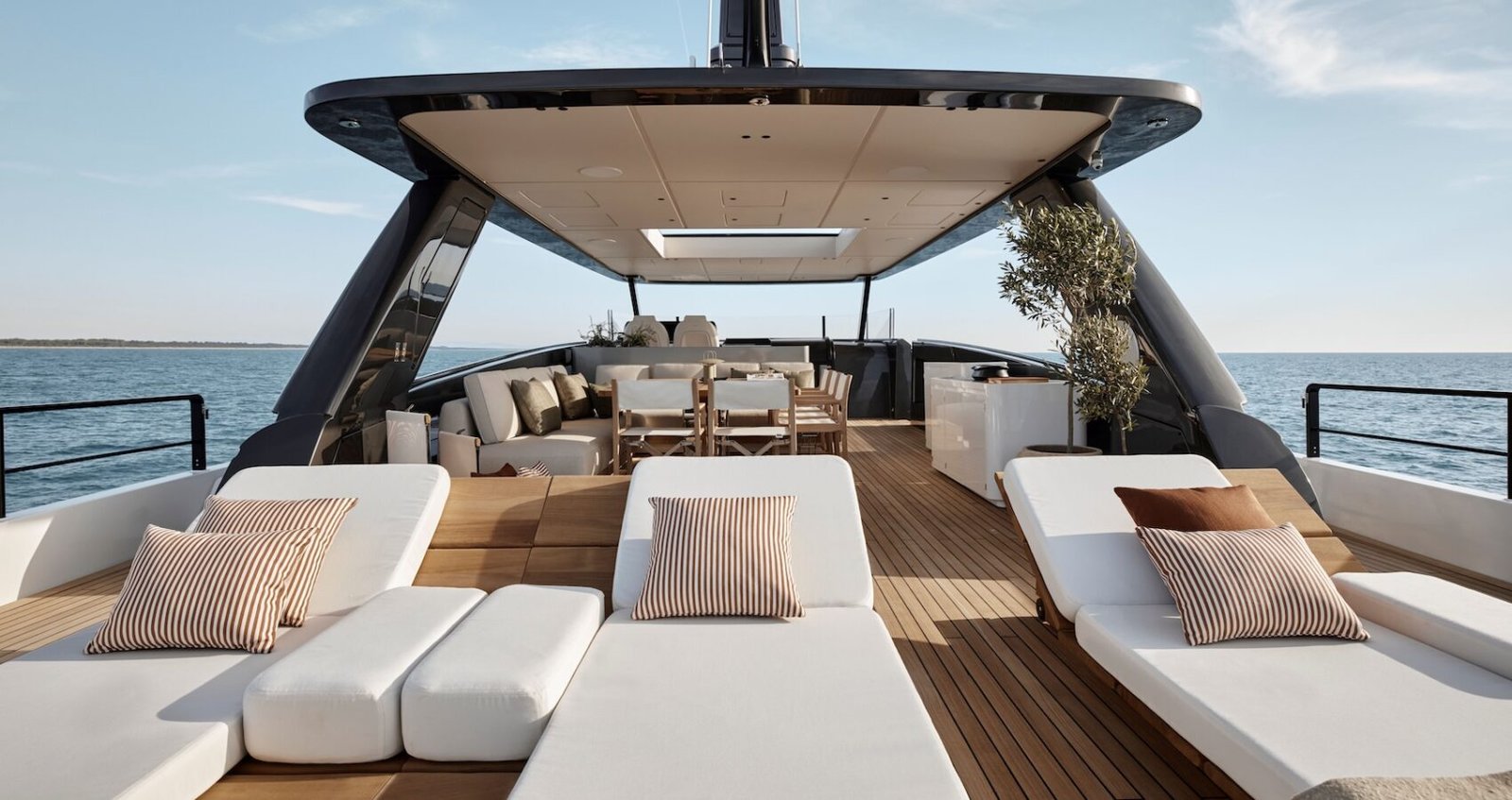
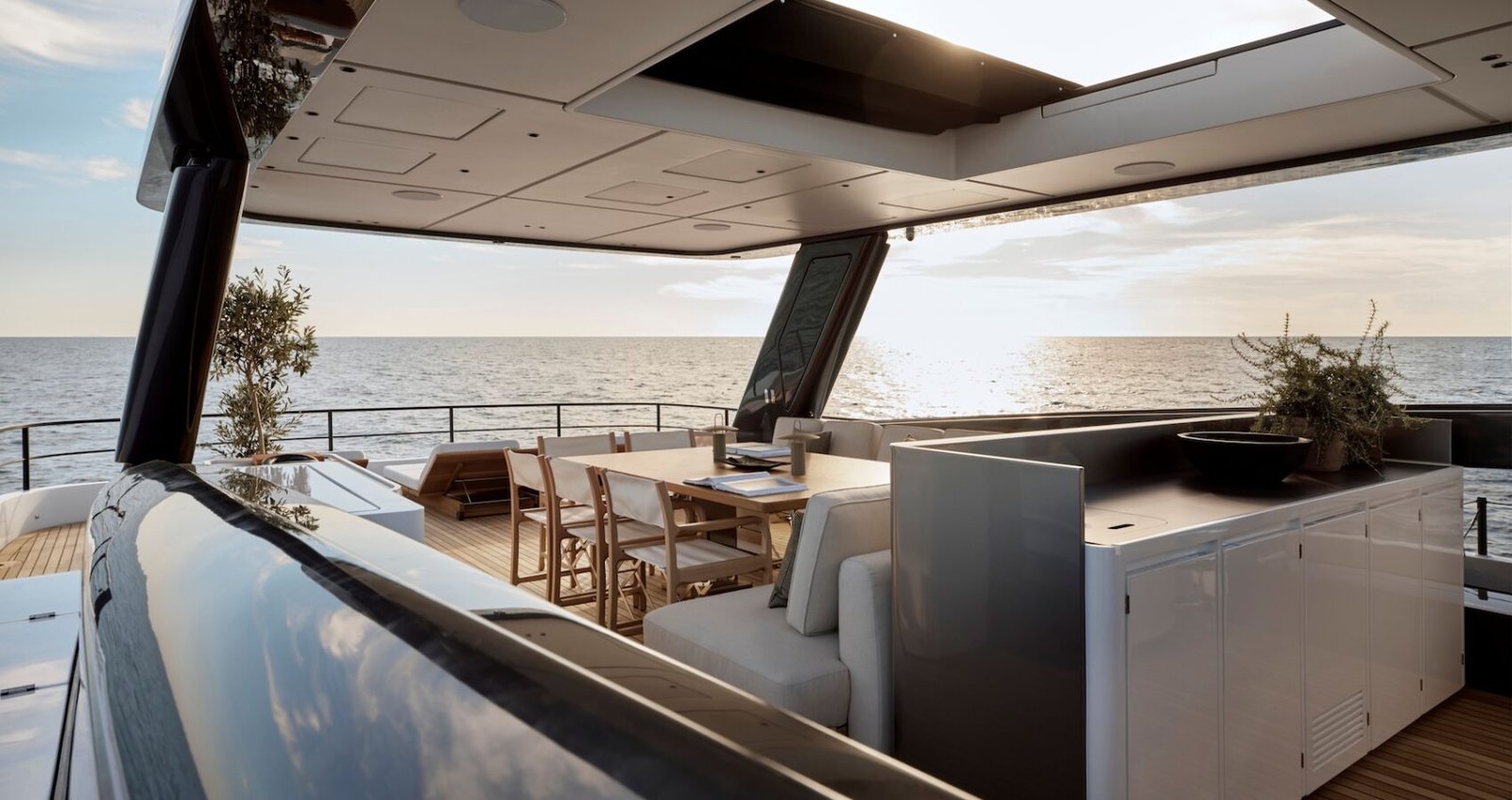
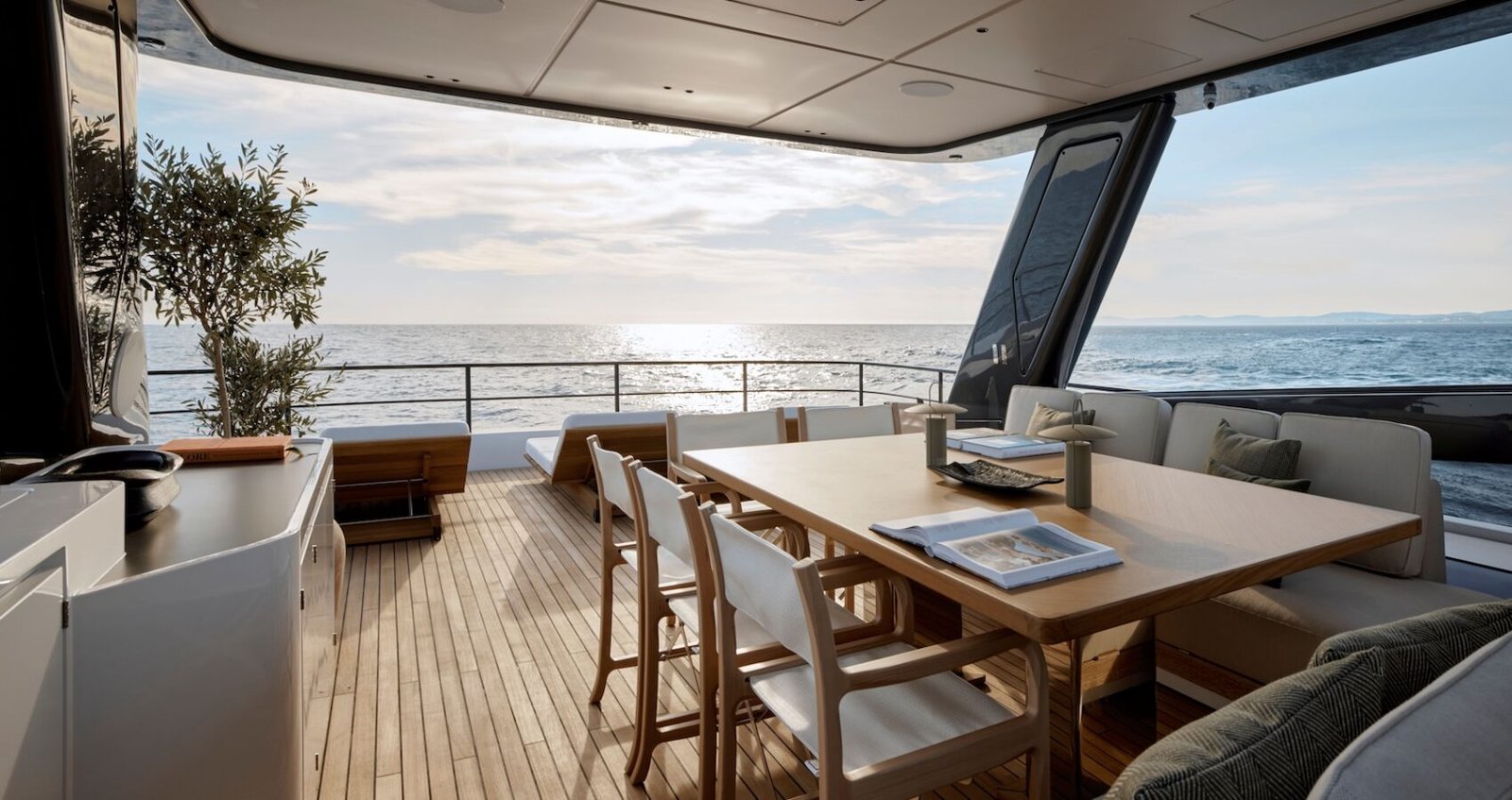
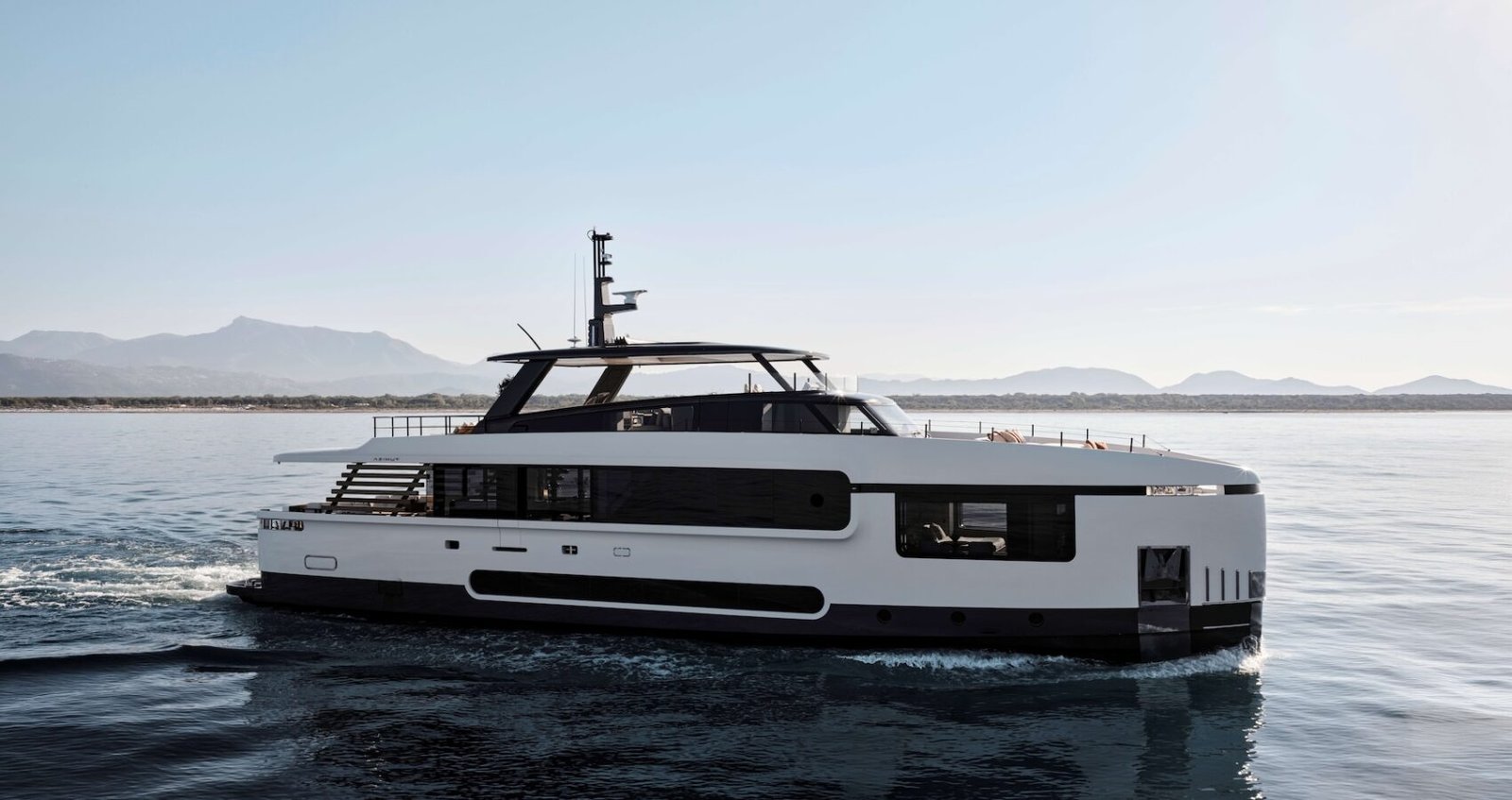
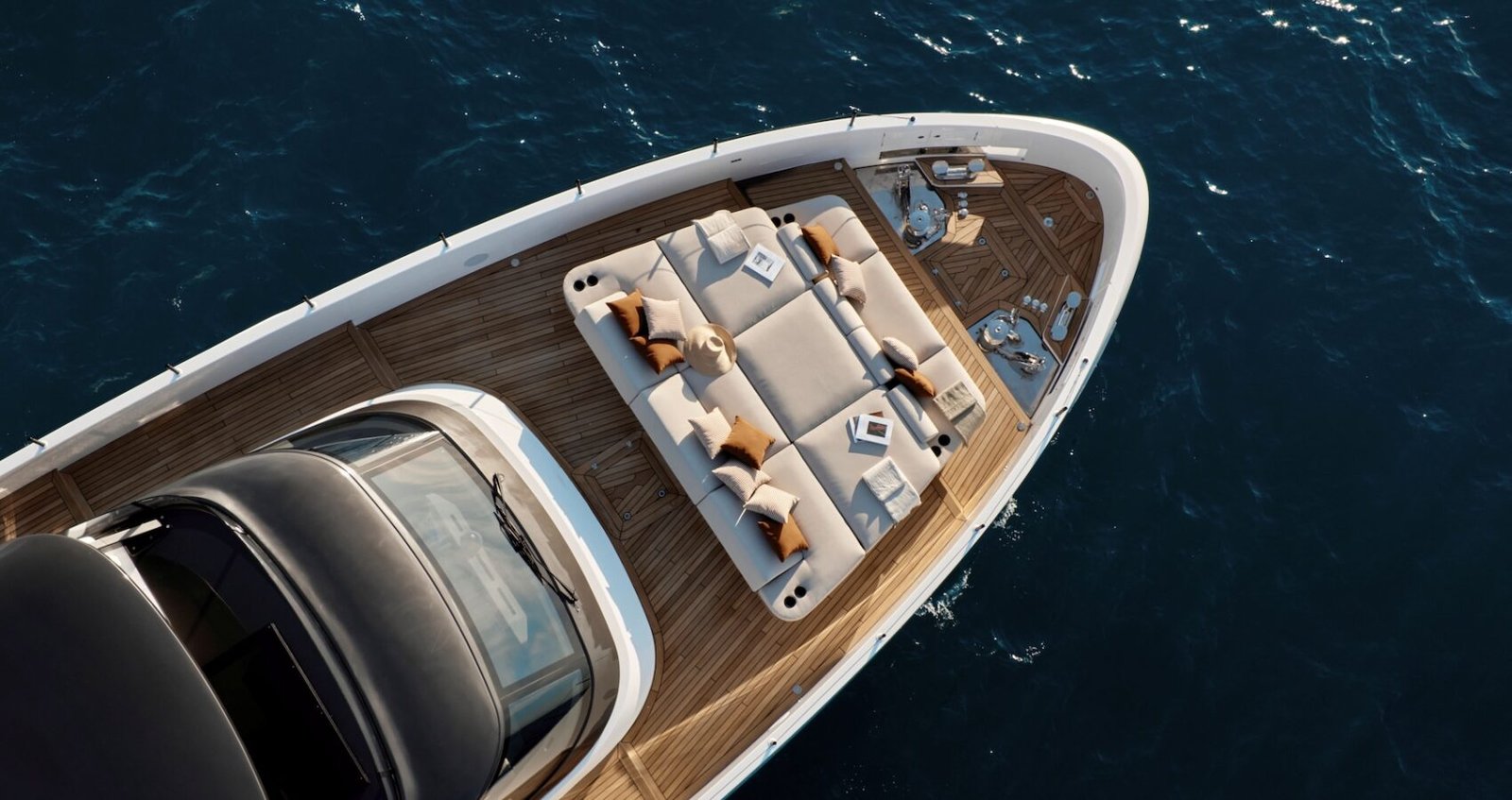
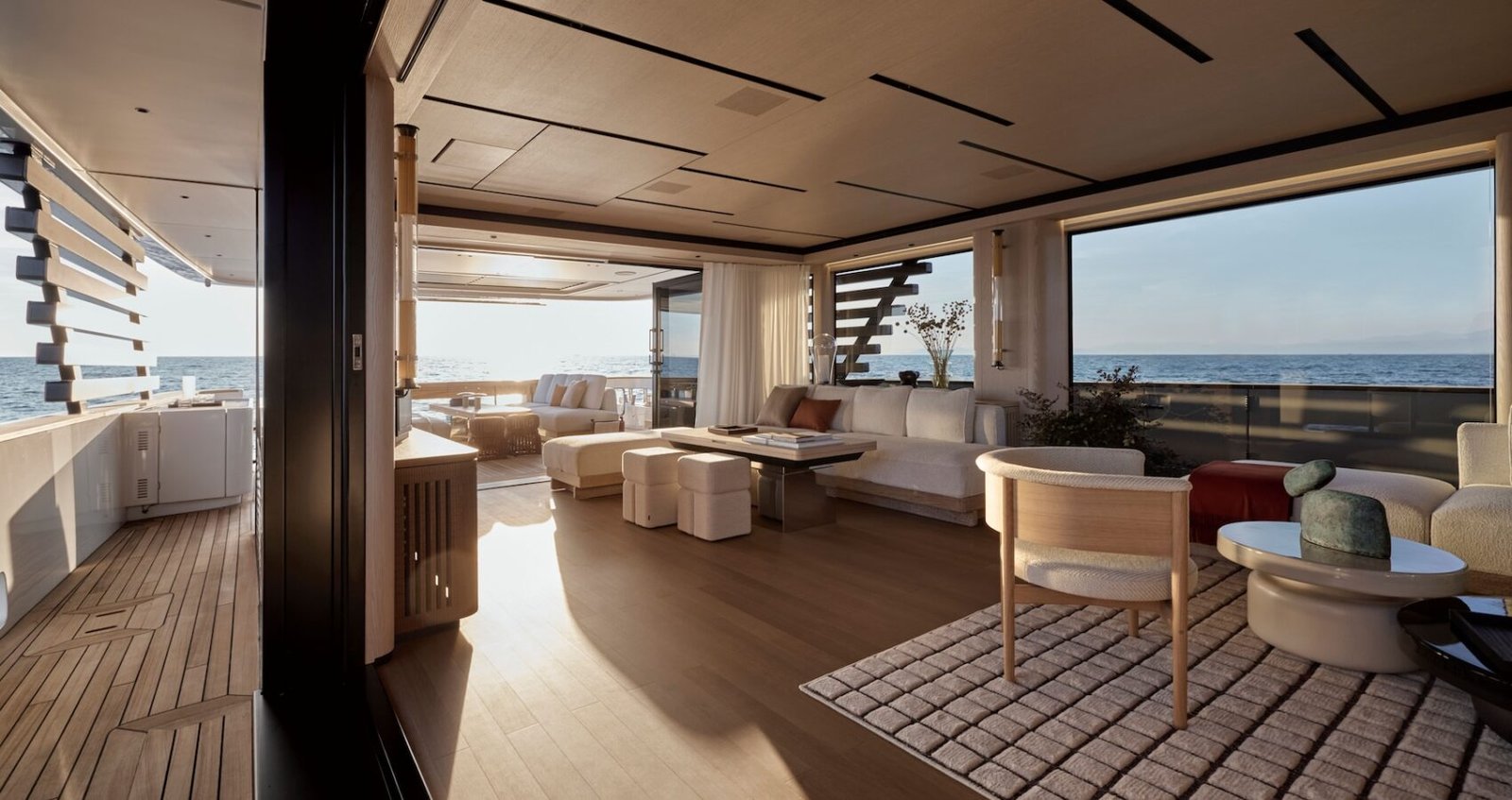
Magellano 27M opens the third chapter of a story that began in the early 2000s thanks to the vision of Paolo and Giovanna Vitelli. They were the first to have the courage to unite two worlds, the sense of freedom of the American trawler and the elegance of Italian design, giving birth to a completely new category: the crossover of the seas. With this new model, today, the third generation of the Magellano Series is born, combining the Nordic design of Jarkko Jämsén with the great Italian architecture of Michele De Lucchi and AMDL Circle.
Magellano is therefore a sublimation of opposites, expressed both by a design capable of elegantly enveloping generous volumes designed for long voyages, and by the technology of the first Dual Mode hull. Characterized by a vertical bow and a double-chined hull, the highly efficient hull, a hybrid straddling displacement and planing, reduces consumption and mitigates the impact on waves compared to traditional hulls. An innovation conceived to offer the pleasure of navigating at one’s own pace, from speed to tranquility, maintaining the freedom to go to sea even in the most challenging conditions.
Azimut GRANDE 44M: the flagship
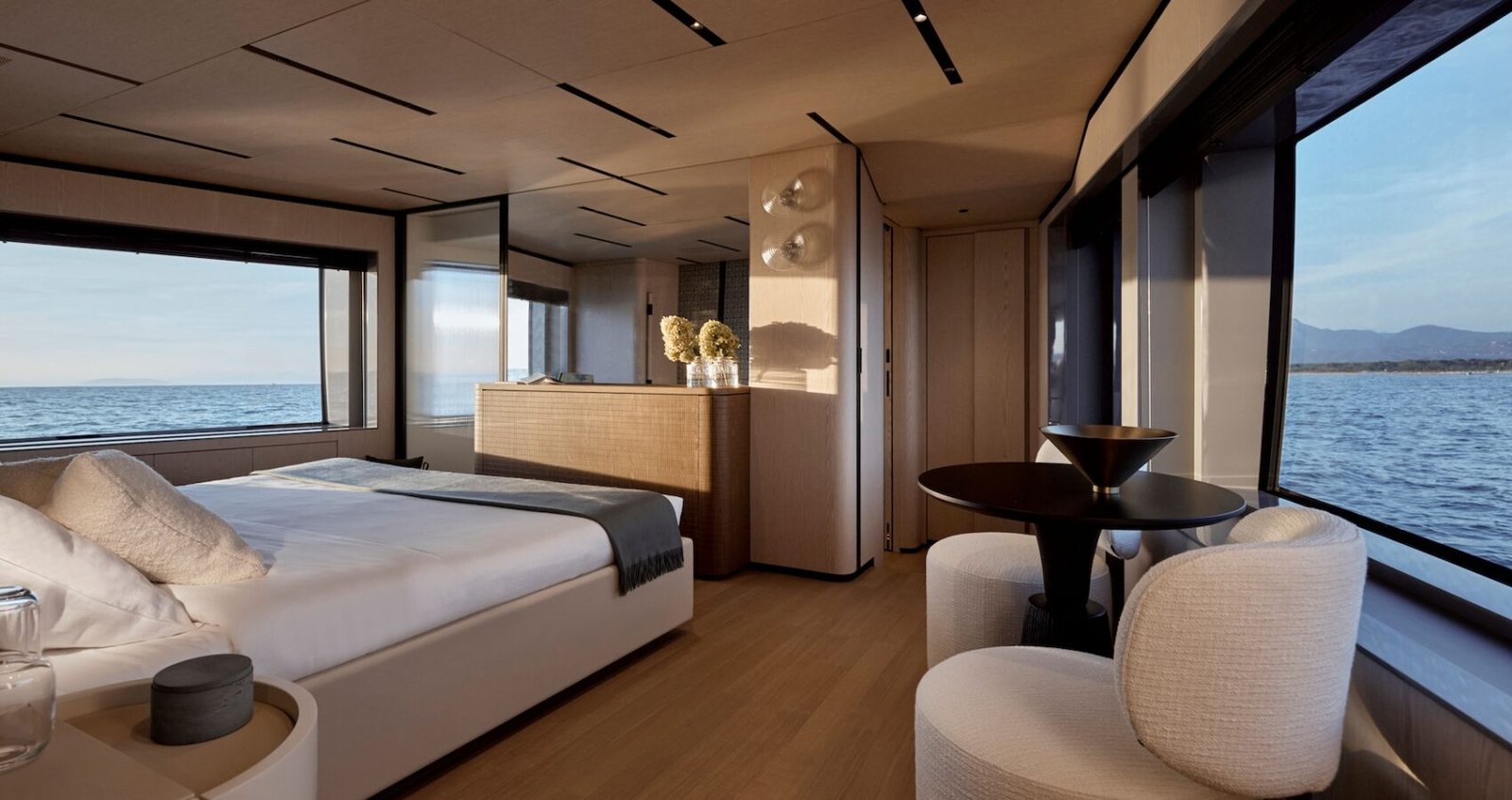
The debut of the first unit of Grande 44M marks the success of the strategy that over the years has led Azimut to achieve leadership in the segment of superyachts. Today, over two-thirds of the brand’s production value is represented by models over 24 meters, a sign of a business vision rewarded by the market and by the trust of shipowners, supported by the expansion of the range and celebrated by the new Grande 44M, which debuts in the water with seven units already sold to end customers. The new flagship marks the culmination of Azimut’s journey in defining the contemporary superyacht, combining the evolution of the design language – signed by international design excellence – with continuous technological innovation.
The use of carbon fiber, employed for over 50% of the surfaces of the vessel, is the keystone of the project: the reduction of the overall weight of the superstructure has allowed the introduction of a new four-deck architecture on a 44-meter sporty yacht that disrupts the traditional layout. The fourth deck, which houses the helm and is perfectly integrated into the streamlined profile designed by Alberto Mancini, frees the Upper Deck from any technical space, transforming it into an entire deck dedicated to the owner with private terraces overlooking the horizon. Here, at the bow, there is a Skylounge with enormous windows that break down visual boundaries and free the view to 180° towards the external lounge where, around the firepit, one gathers to watch the sunset over the water.
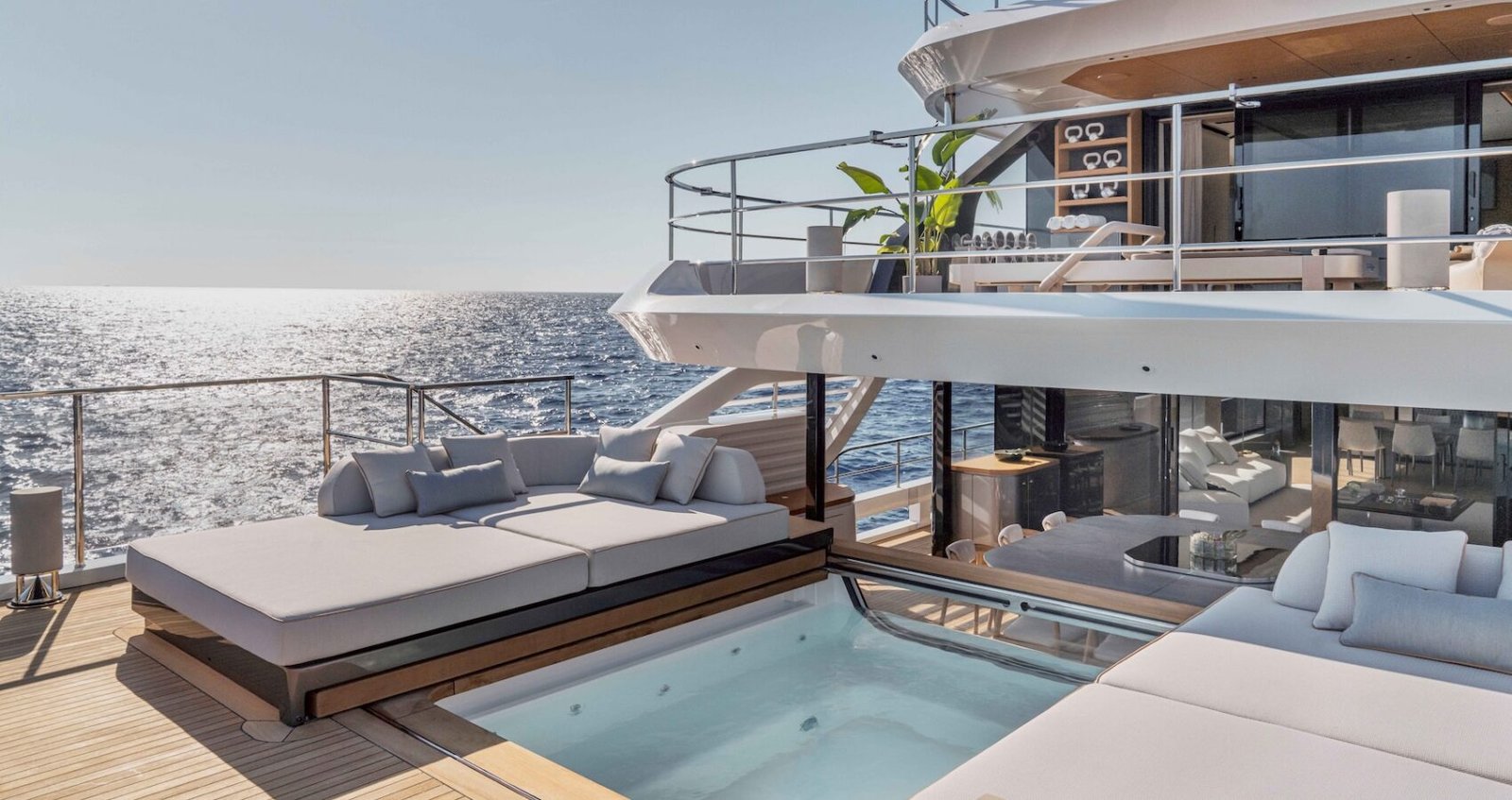
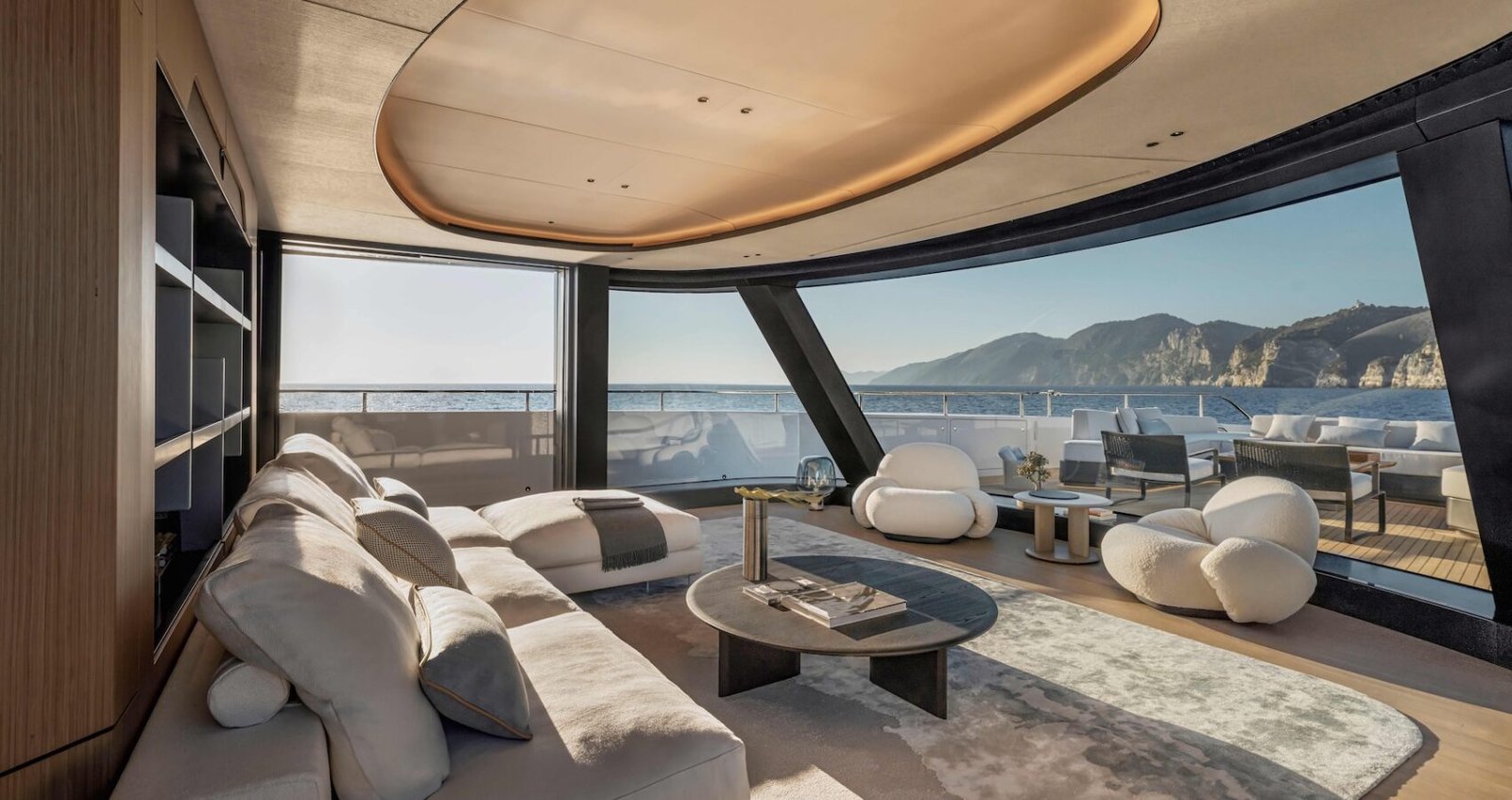
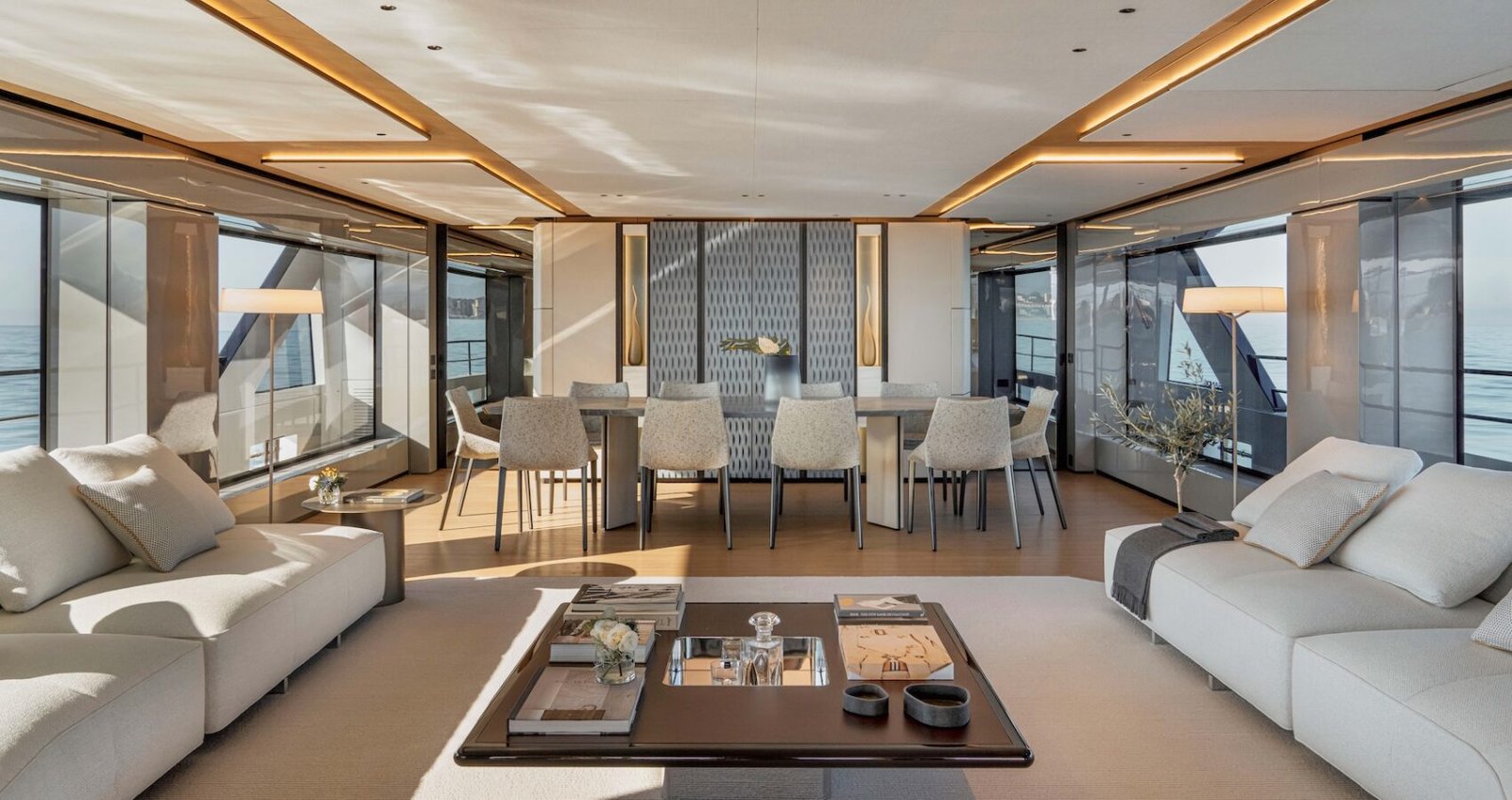
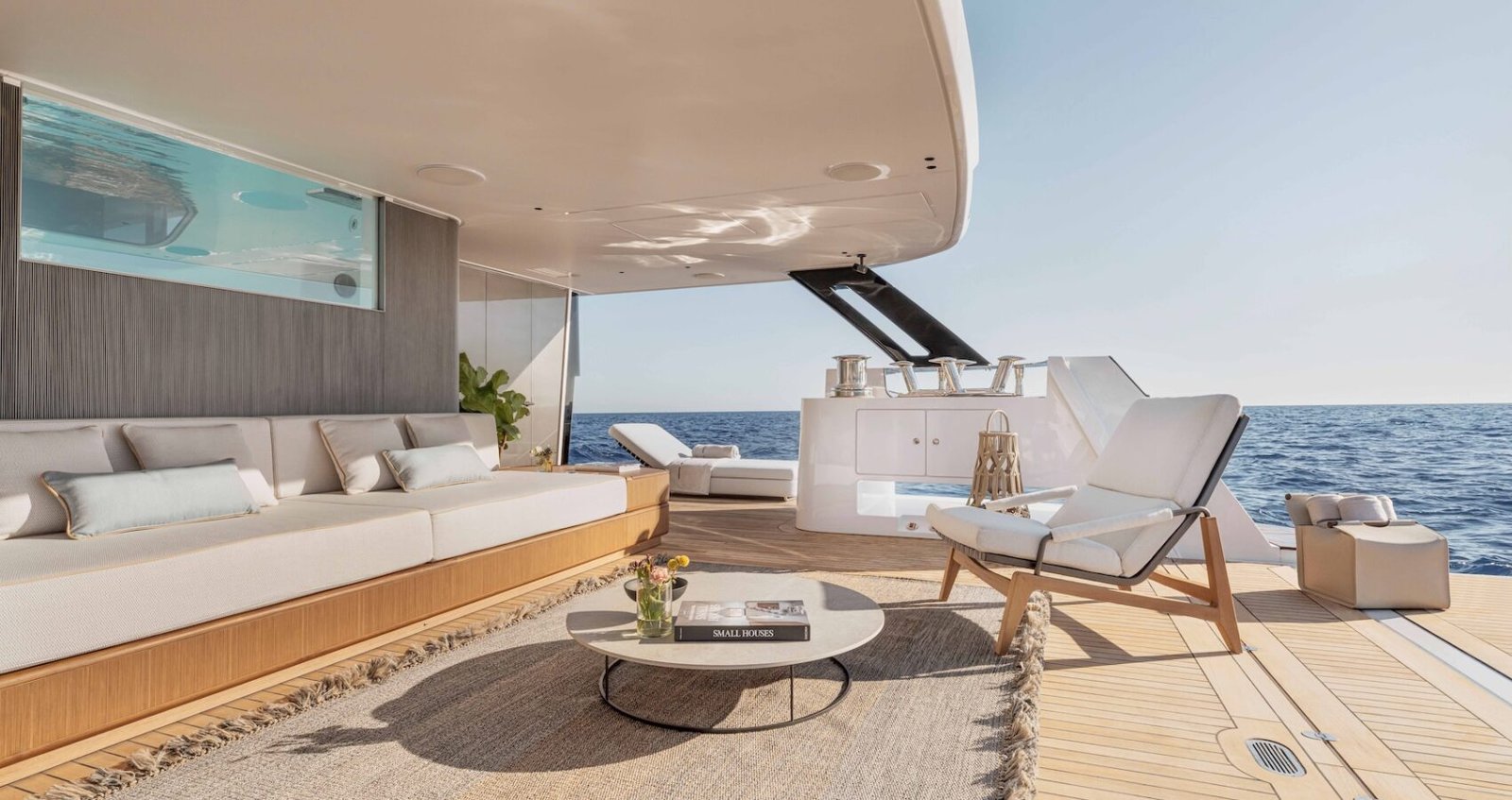
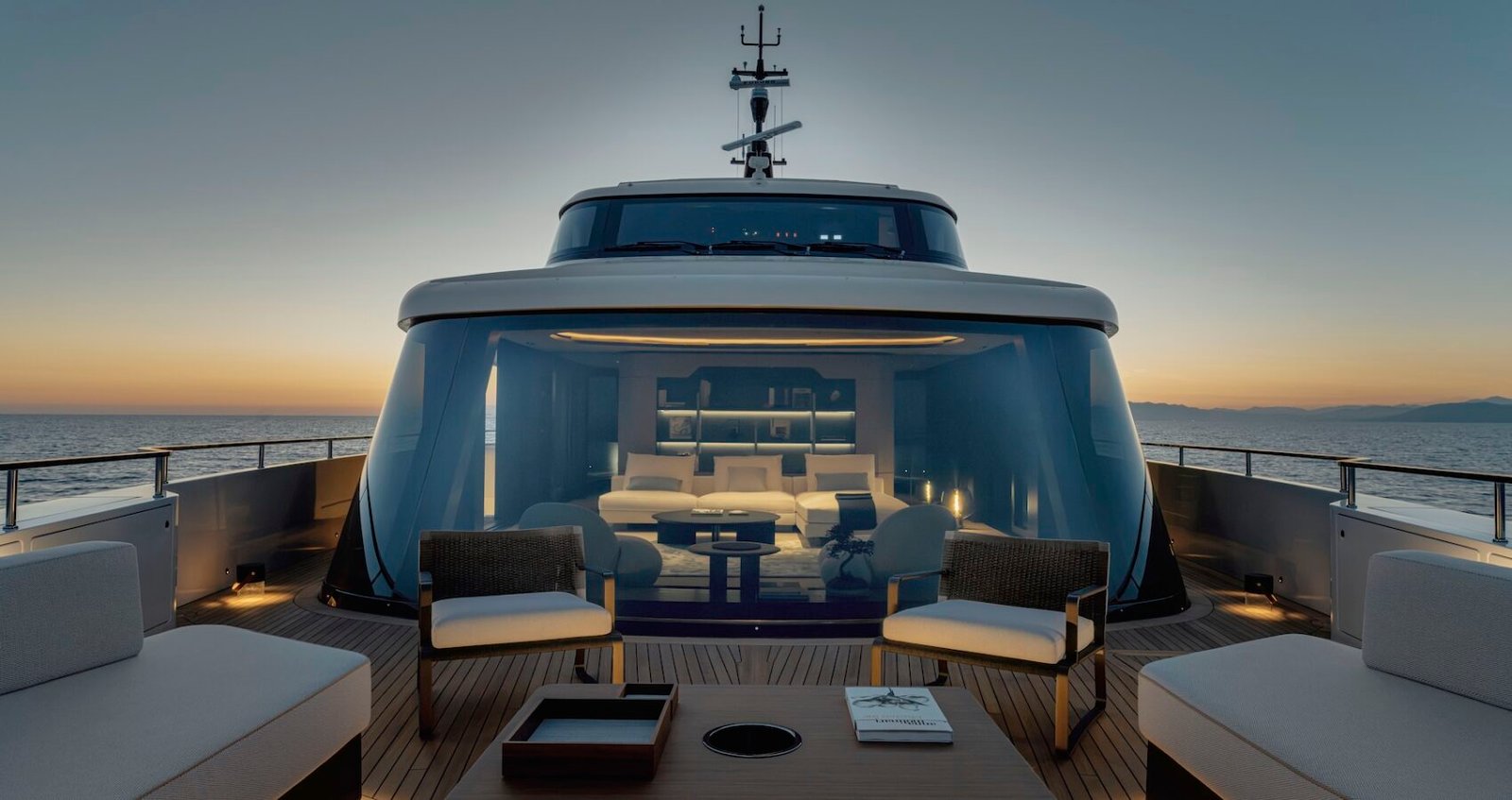
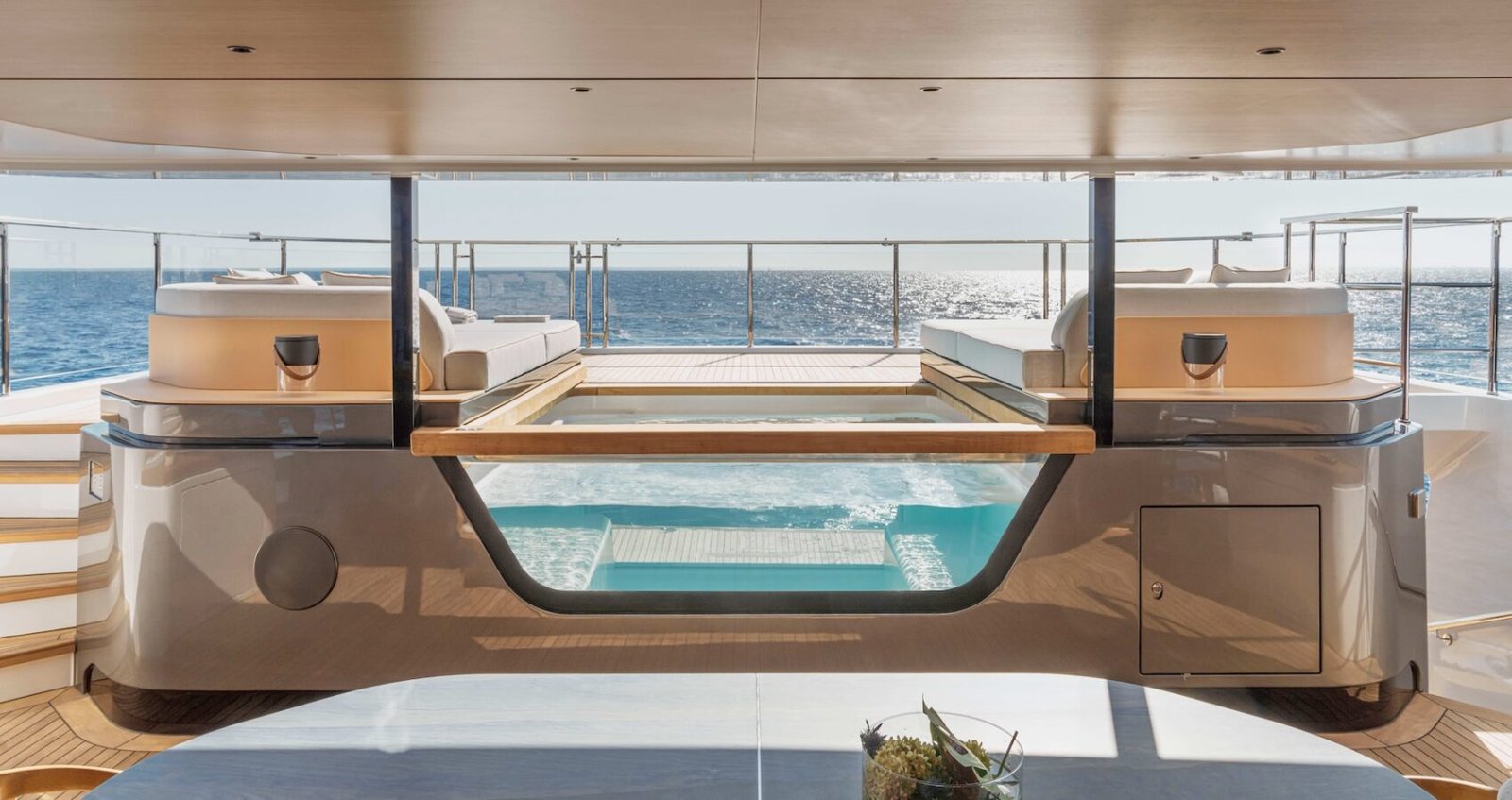
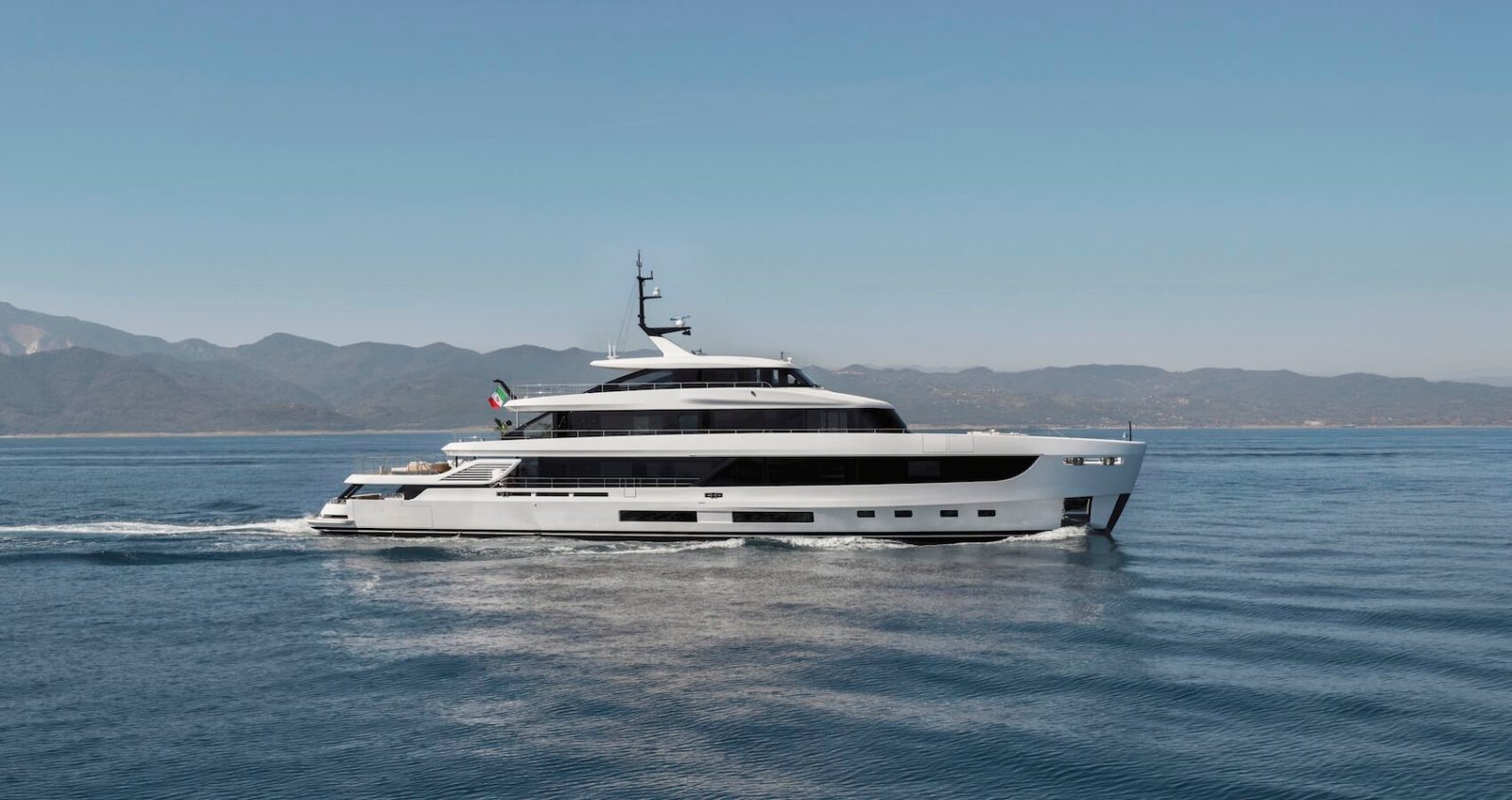
Azimut also showcases the Seadeck 7 equipped with the Volvo Penta IPS Hybrid system. This is the first installation of a project born from the shared vision between Azimut Yachts and Volvo Penta for a more conscious boating experience, capable of redefining the onboard experience through hybrid propulsion and the functionalities of silent mooring.
Press Agency: Sculati and partners
FPT’s participation at the 66th International Boat Show in Genoa (October 1-6) is a grand affair. The company of Inveco Group, specialized in the design, production, and sale of propulsion and transmission systems and solutions for on-road and off-road applications, marine, and power generation, is indeed participating in the event with all its dedicated Italian distributors: AS Labruna, Bimotor, and Naval Motor Botti.
FPT: a reality in continuous evolution
With over 60 years of experience and a solid reputation in the commercial boating sector, today FPT installs its engines on a wide variety of vessels: patrol boats, ferries, workboats, and rental boats, serving customers worldwide.
FPT has also recently joined Confindustria Nautica and is a trusted partner of institutional operators responsible for safety at sea, including coast guards, customs authorities, and law enforcement, as well as firefighters and rescue services.
Reliability, performance, and operational efficiency are the three fundamental pillars of the corporate philosophy that today aims to further expand the brand’s presence in the yachting market even beyond national borders. FPT already boasts a network of 375 service points for boating, over 200 in the Mediterranean area and more than 80 in North America, ensuring customers continuous and reliable support wherever they operate.
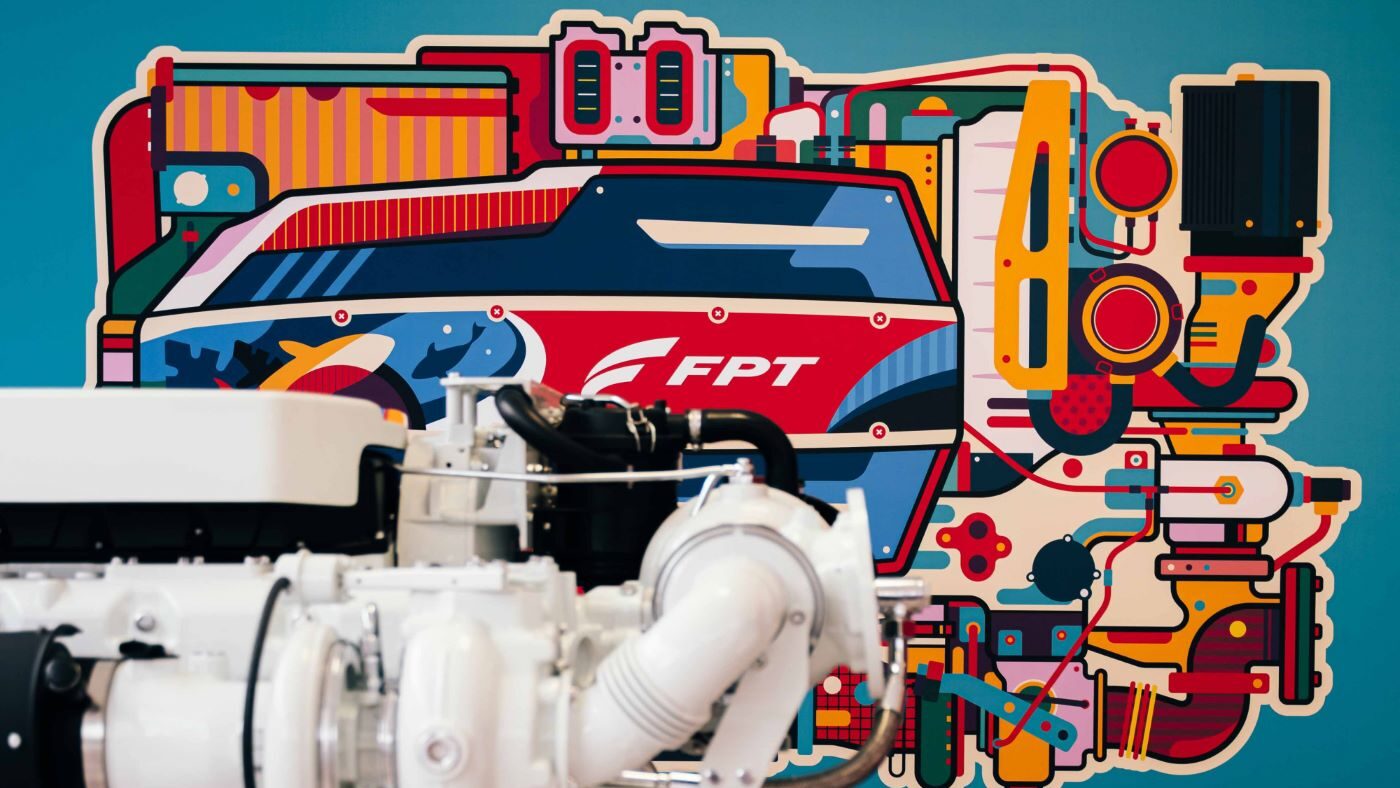
The “pop” novelty presented in Genoa
The major novelty presented at the Genoa Boat Show is the exclusive cap designed by Van Orton, the famous Italian creative duo known worldwide for their vibrant and disruptive pop style. Launched during Agritechnica 2025, the collaboration between FPT and Van Orton now extends to marine engines, combining engineering precision and artistic creativity, with a strong reference to Pop Art and the works of artists like Andy Warhol and Roy Lichtenstein.
The new cap thus offers the possibility to customize one’s engine without sacrificing the reliability and performance typical of the brand.
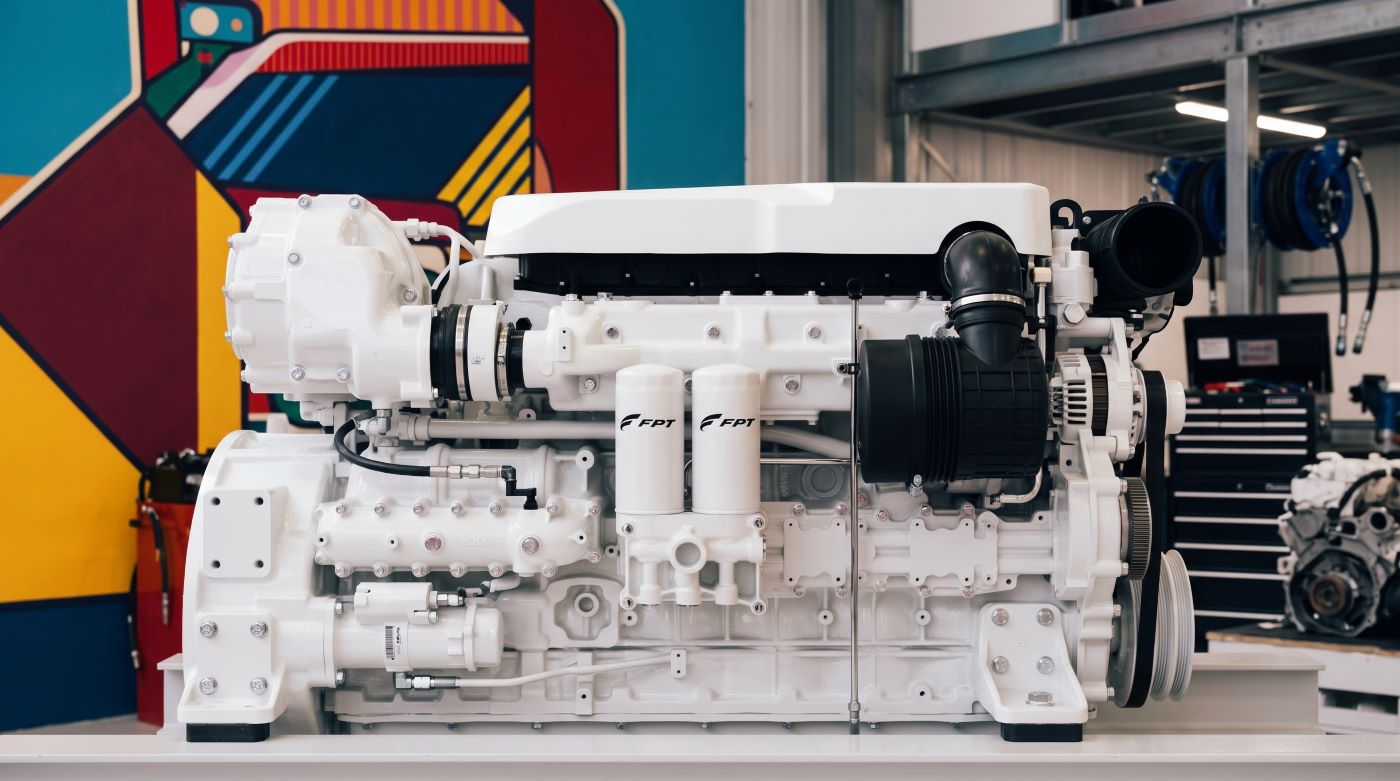
Showcasing the new aesthetic solution at the YP65 stand is the Cursor 16 1000, holder of the world speed record on water in the diesel boat category and a reference engine in international markets. Valued by boating professionals for its ease of maintenance, efficiency, and low operating costs, the Cursor 16 1000 offers power ranging from 815 to 1,000 horsepower. Added to these are ease of installation, high performance, quiet operation, and long-term reliability.
The exclusive Van Orton cap is also available on another flagship model of the brand: the N67 570 EVO engine.
With a displacement of 6.7 liters, this engine delivers up to 570 horsepower, ensuring maximum torque at low revs and an immediate response to load changes. Specifically designed for marine applications, its architecture integrates engine cooling systems and turbocharger systems specially developed for use in marine environments. To simplify installation, the main components (oil radiator, oil pump, water pump, and venting system) are fully integrated into the engine structure.
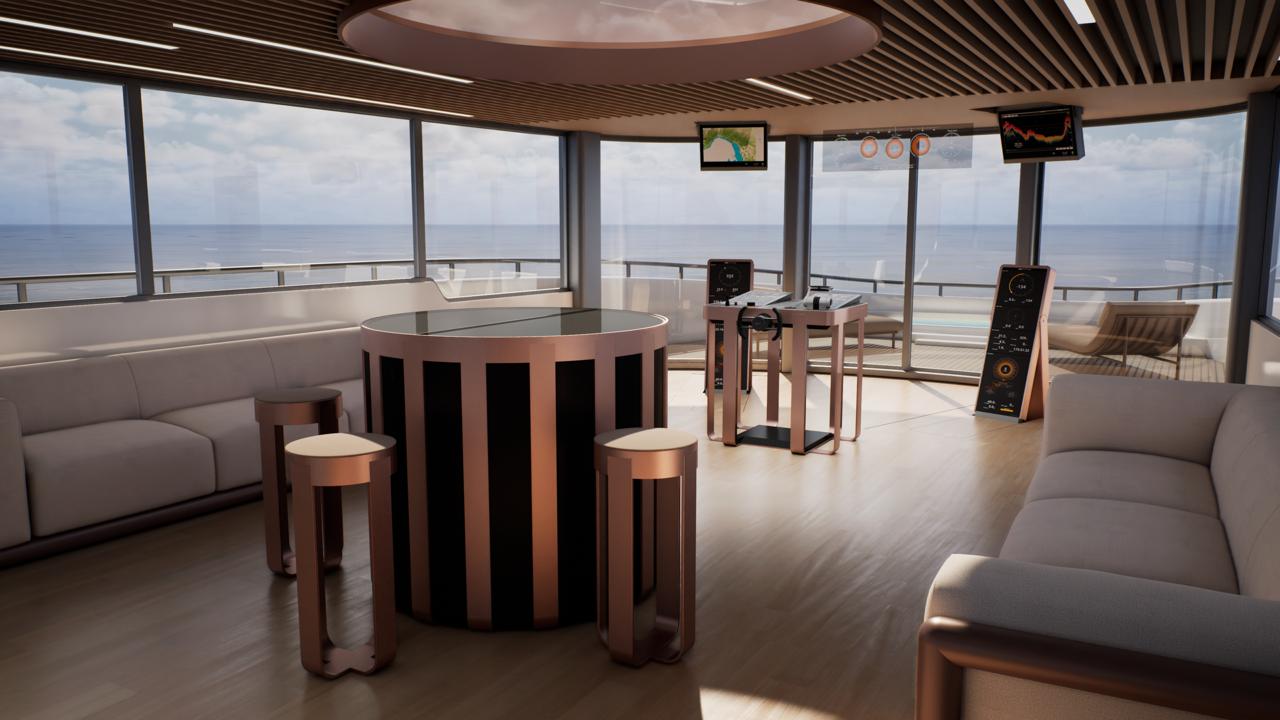
It was previewed worldwide in recent days at the Monaco Yacht Show 2026, promising a true revolution in onboard spaces. We are talking about the innovative concept mtu NautIQ Bridge “Point Break” from Rolls Royce, which transforms the bridge into a multifunctional high-end space while maintaining the highest standards of safety and operational efficiency.
Point Break: the bridge changes function
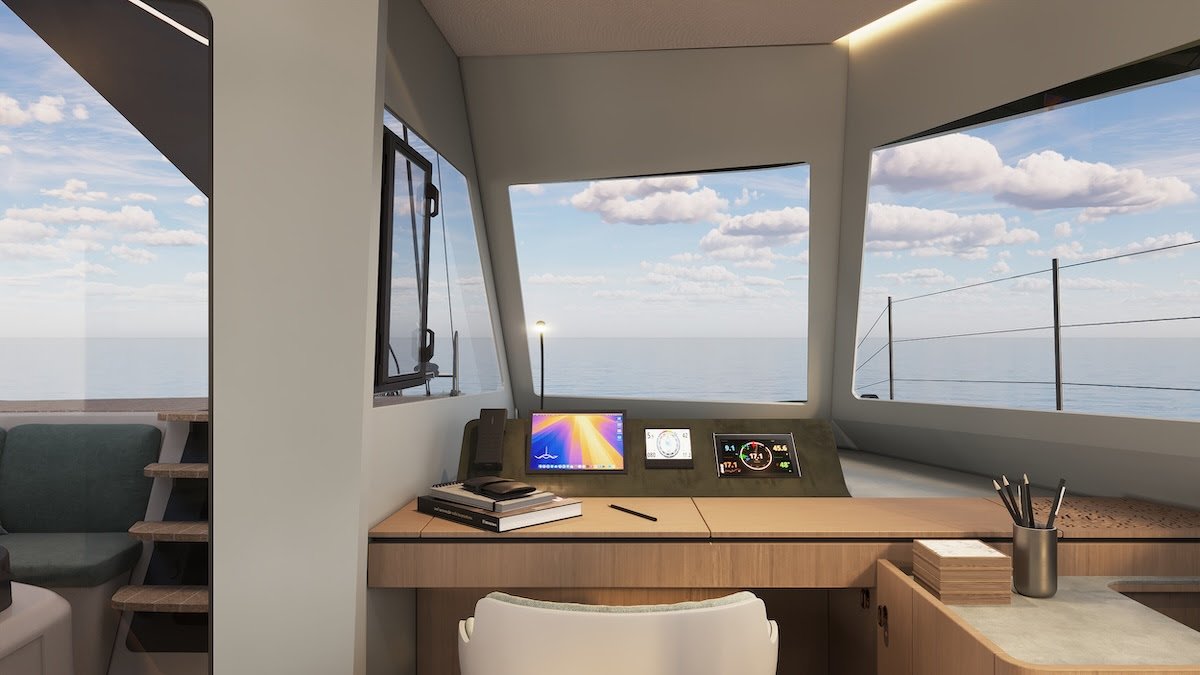
Designed for the next generation of 50-meter semi-custom yachts, Point Break offers an innovative approach to bridge design that, thanks to the combination of cutting-edge digital technologies and a new spatial architecture, transforms into an environment that functions both as a highly efficient command station and as an integral part of the onboard living spaces.
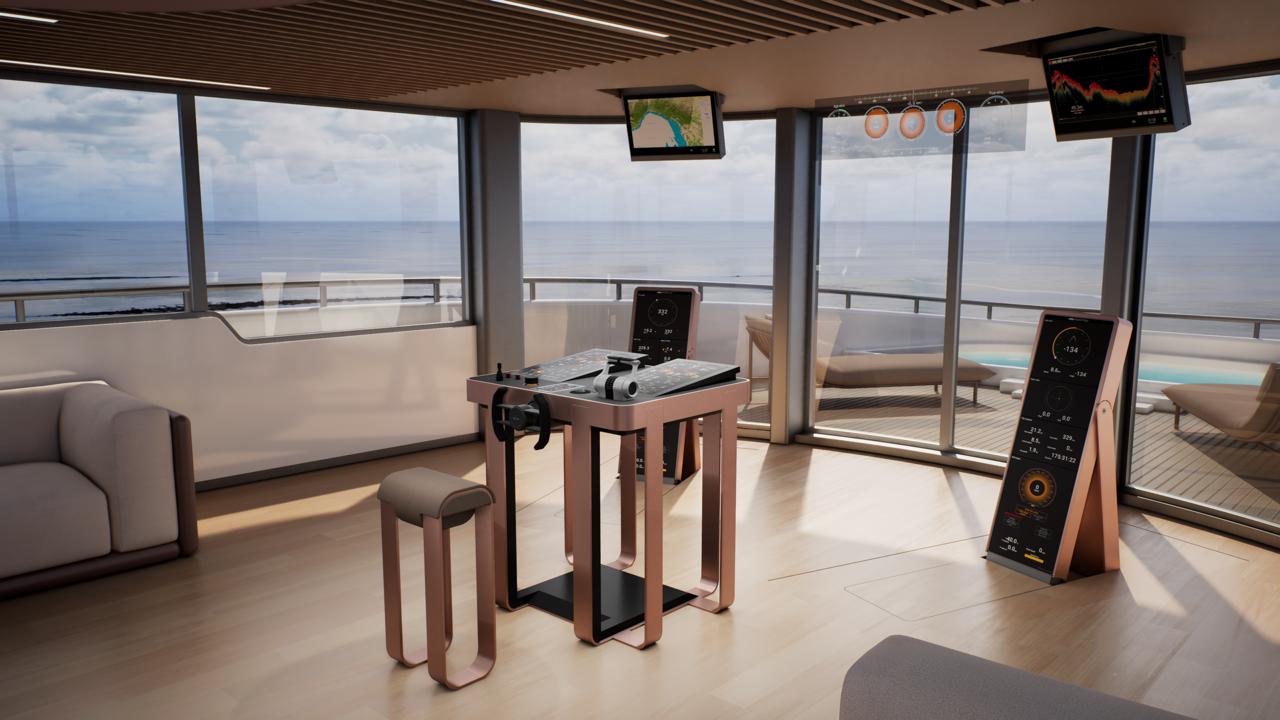
A dual-function bridge that centers its architecture around the next-generation Human Machine Interface (HMI), designed to make navigation more intuitive and efficient.
The screens feature an innovative vertical layout that not only optimizes space but also enhances situational awareness. When the yacht is not underway, the screens can retract, leaving an open environment that can be used for other functions onboard.
Additionally, there is an advanced Head-Up Display (HUD), which projects essential navigation information directly into the captain’s field of vision.
Cutting-edge technology
The concept also looks to the next generation of onboard digital solutions, thanks to the integration of future functions supported by artificial intelligence, dedicated to managing onboard documentation, and full compatibility with mtu NautIQ Foresight, Rolls-Royce’s advanced platform for predictive monitoring of engine and system health.
Together, these technologies enhance operational awareness, simplify maintenance planning, and support captains and crews in their daily management and maintenance activities.
From the bridge to the propeller
“With Point Break, Rolls-Royce once again demonstrates its commitment to shaping the future of integrated bridge solutions through innovation, digitalization, and a human-centered design”, comments Lukas Köhler, Senior Vice President Global Marine and Mining at Rolls-Royce Power Systems.
According to Köhler, the concept, part of the mtu NautIQ ecosystem, also reinforces the company’s “From Bridge to Propeller” approach, in which propulsion, energy management, and automation work in an integrated manner.
Lanerossi and Ferretti Group, on the occasion of the September 2026 Boat Shows, renew an excellence partnership that combines high Italian weaving with the best naval design. The goal is to transfer the philosophy of “Casa Lanerossi” on board the group’s yachts, transforming the owner’s life into an even more intimate, sophisticated, and personal interior experience.
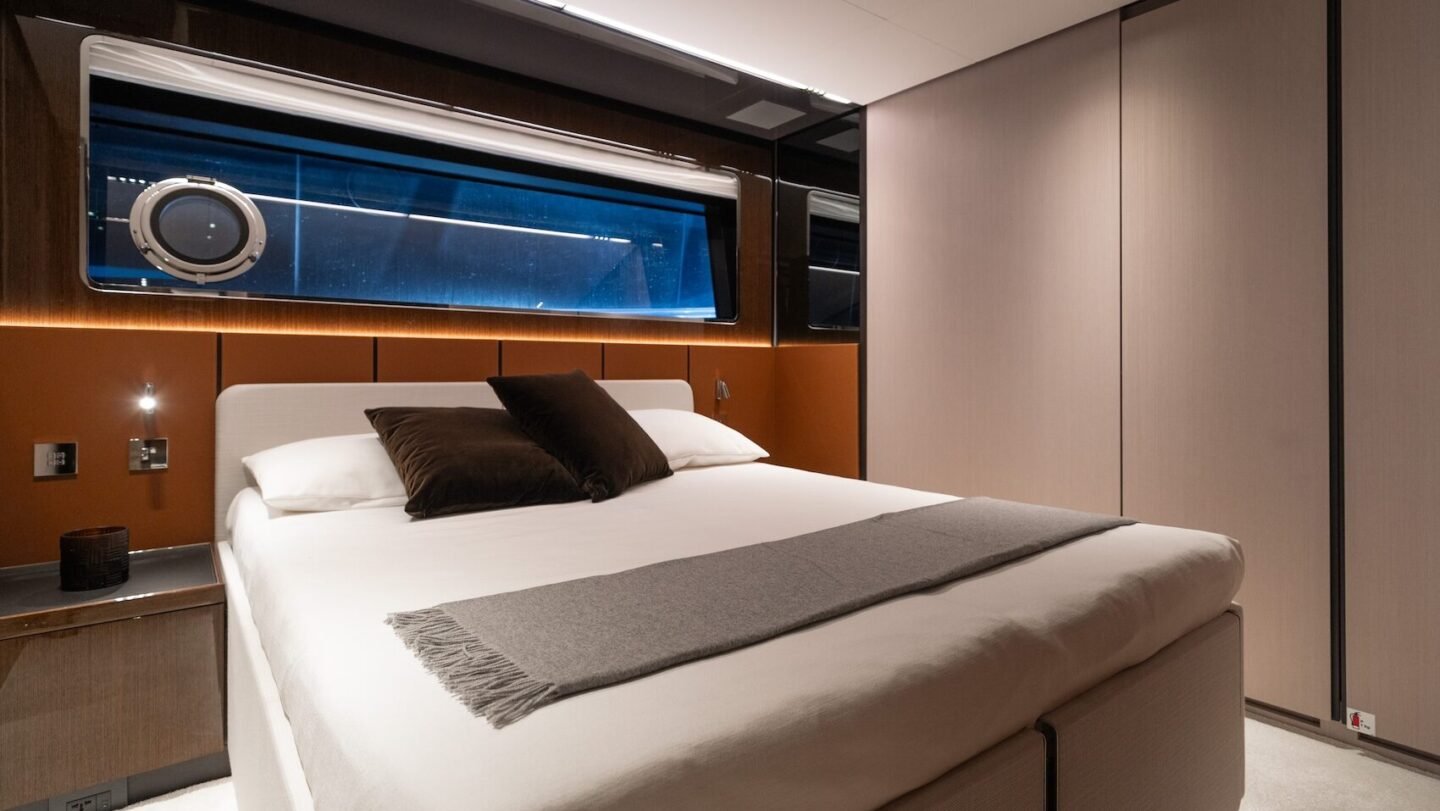
It is not just about furnishing, but about stimulating the senses. The textile selection chosen to dress the yachts of Ferretti Group focuses on discreet elegance and the highest quality materials, capable of withstanding life on board without sacrificing the utmost tactile well-being, maintaining the feeling of home comfort in recreational boating.
The onboard collection according to Lanerossi and Ferretti Group
Lanerossi’s proposal for Ferretti Group yachts ranges from relaxation classics to solutions for the sleeping area, spanning merino wool, cashmere, and linen, materials used for their naturalness and softness:
Ulisse and Zebio Plaids: made from pure extrafine merino wool, they offer the perfect balance between warmth and lightness. The Zebio model, in particular, proves perfect for the needs of the modern owner thanks to its practicality of machine washing and tumble drying.
Everest Color Plaid: the exclusivity of pure cashmere with a tone-on-tone processing that creates a wavy effect, ideal for adding a contemporary touch to the main salons.
Cotton and modal velvet cushions: designed to break the lines of the interiors with warm, soft, and colorful highlights.
Bed linen Lipari and Panarea: for the cabins, the freshness and essential elegance of linen (Lipari) are complemented by the softness of cotton with a linen effect (Panarea), ensuring maximum comfort night after night.
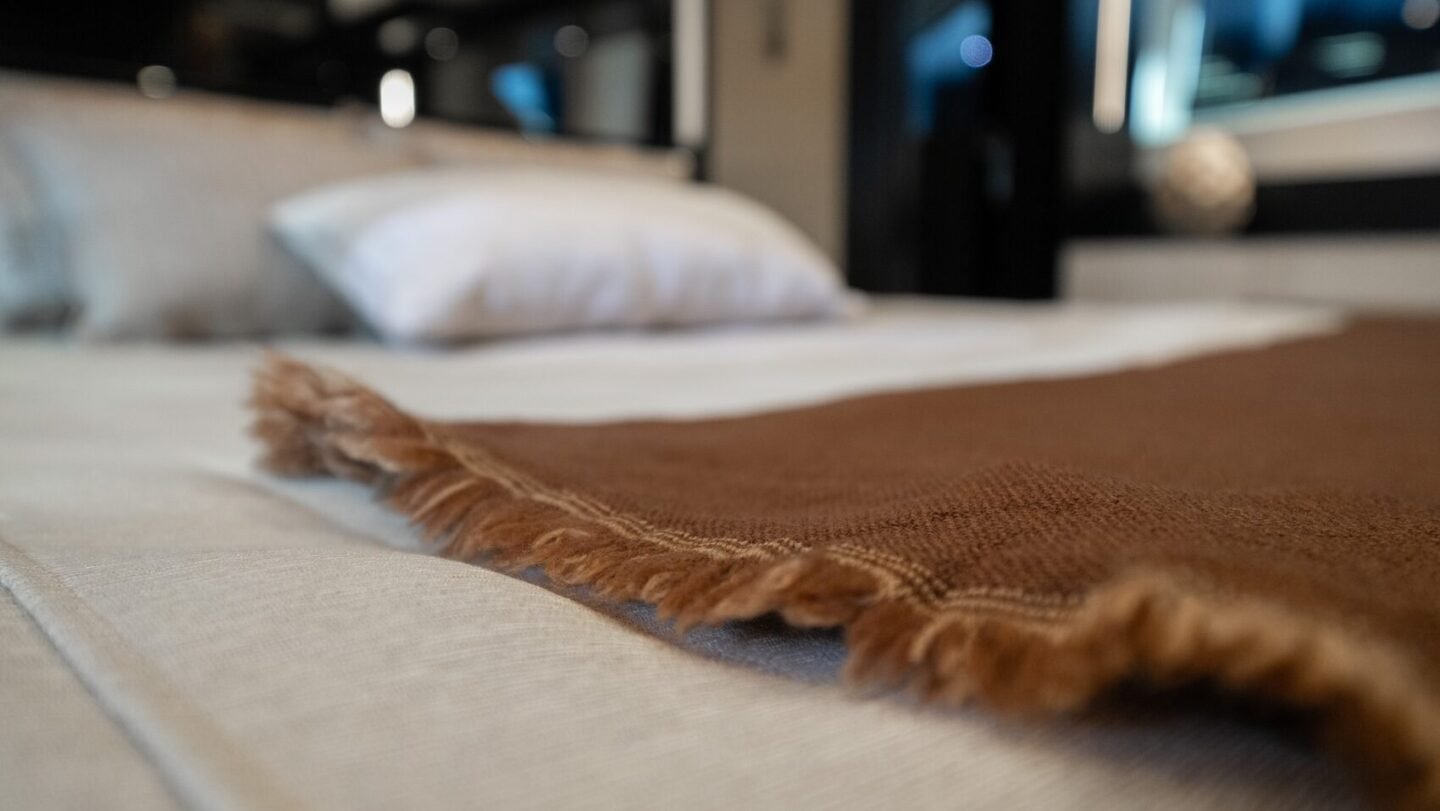
The Made in Italy that elevates life on board
The collaboration between the Vicenza brand and the giant of yachting highlights an increasingly strong trend in chartering and private boating: true luxury is not limited to the visual impact of external lines, but resides in the quality of daily life on board. Thanks to noble materials, enveloping textures, and cutting-edge craftsmanship, the sea becomes a natural extension of one’s home refuge.
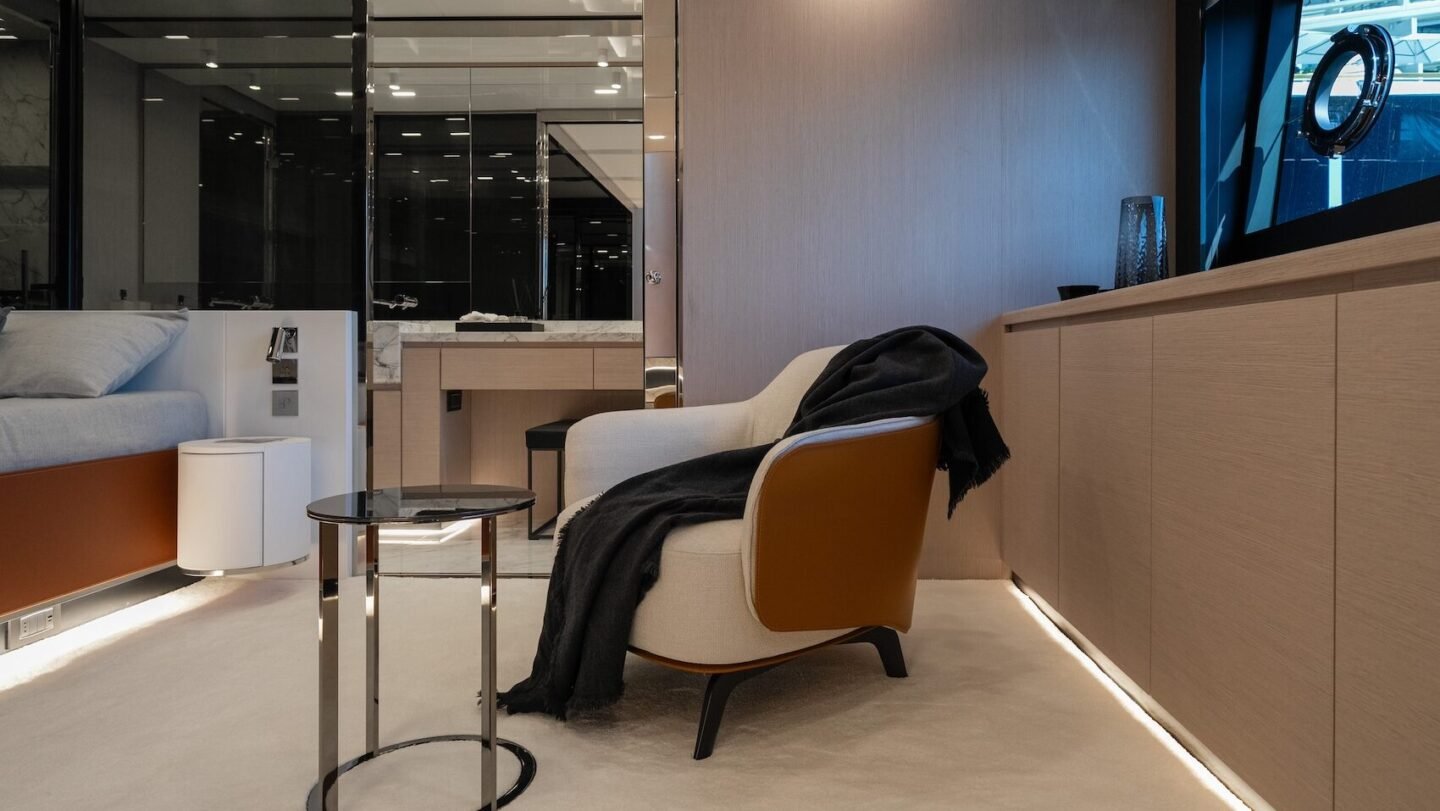
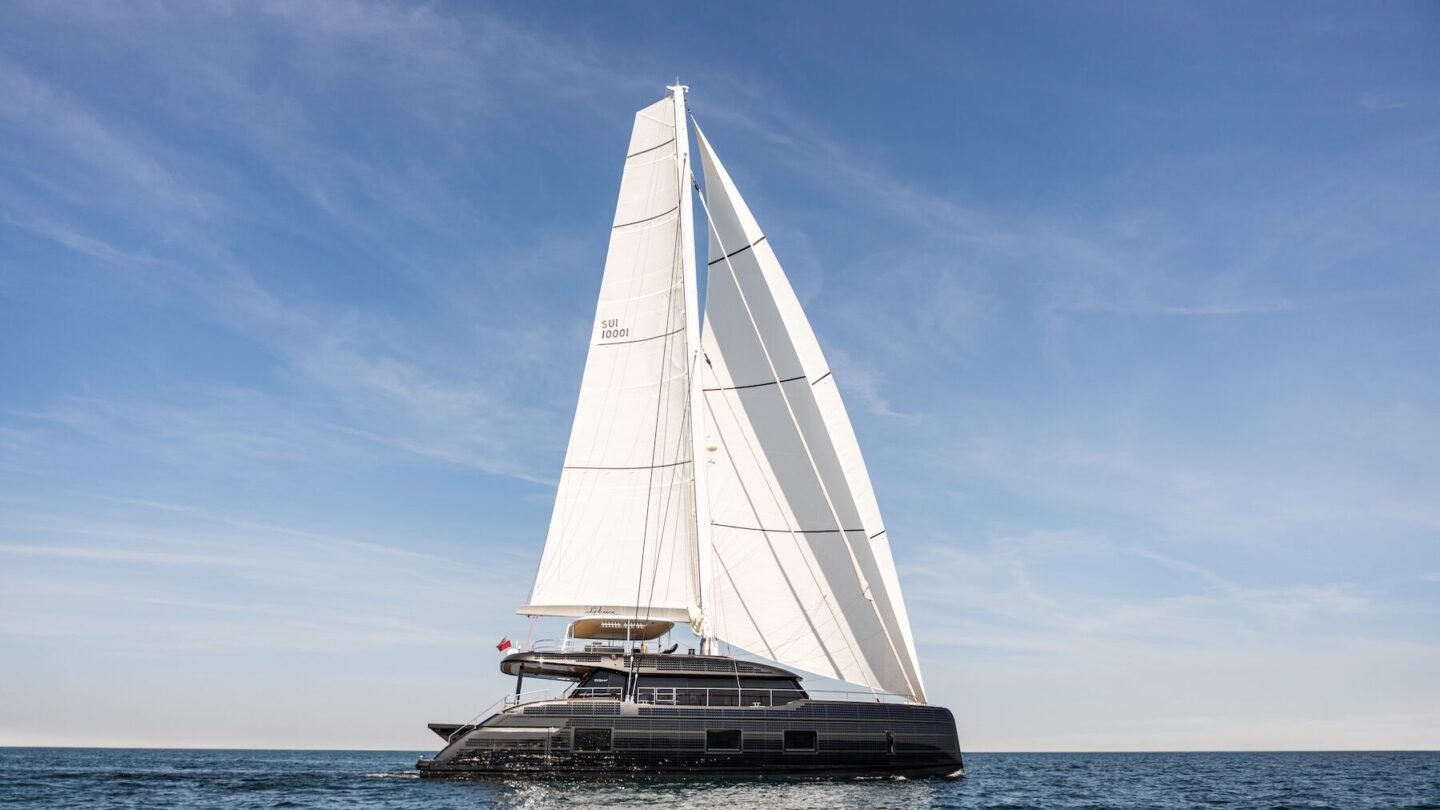
Sunreef Yachts presented yesterday, at the Monaco Yacht Show, the first Sunreef 100 Eco designed for sailing, this electric sailing catamaran has recently been delivered to its owner, a client who reaffirms his trust in the Sunreef shipyard. Named Ipharra, it combines the living spaces of the Sunreef 100 with the latest sustainable technologies from the company.
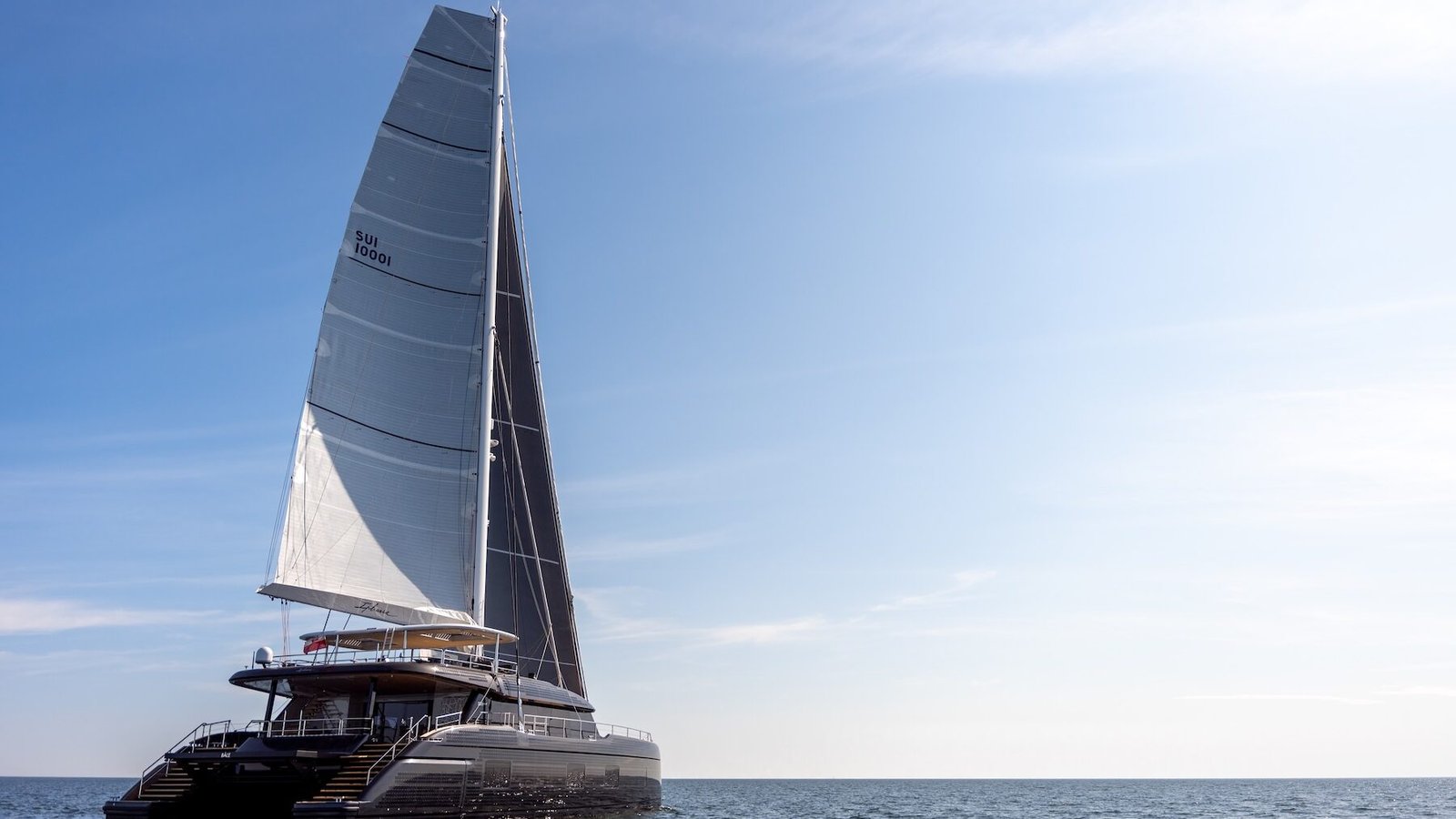
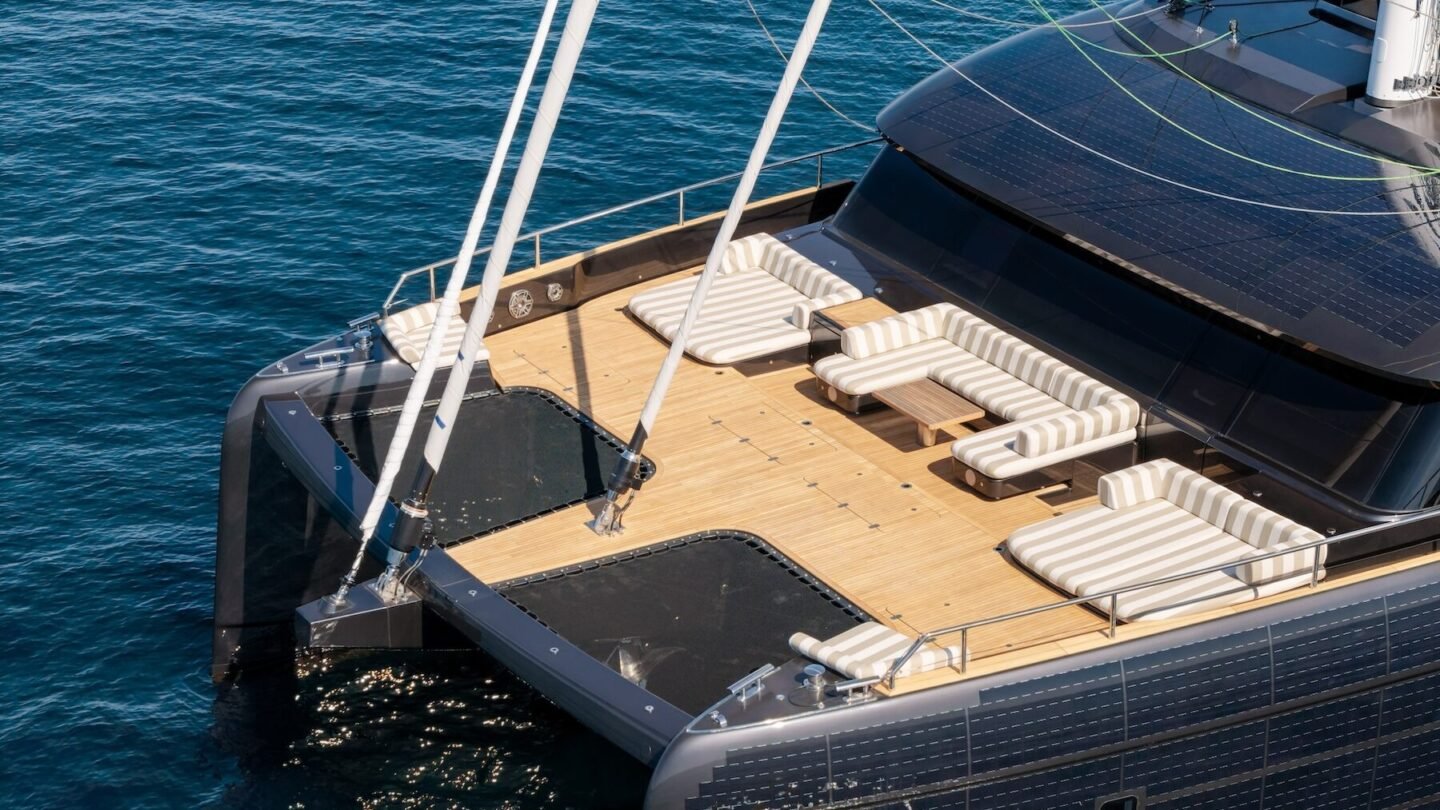
Distinctive elements of the Sunreef 100 Eco include the generous owner’s suite on the main deck, spacious outdoor living areas, and a vast beach club. Equipped with the advanced electric propulsion system and Sunreef’s cutting-edge technology of Solar Skin, Ipharra represents a new chapter in luxury and sustainable sailing.
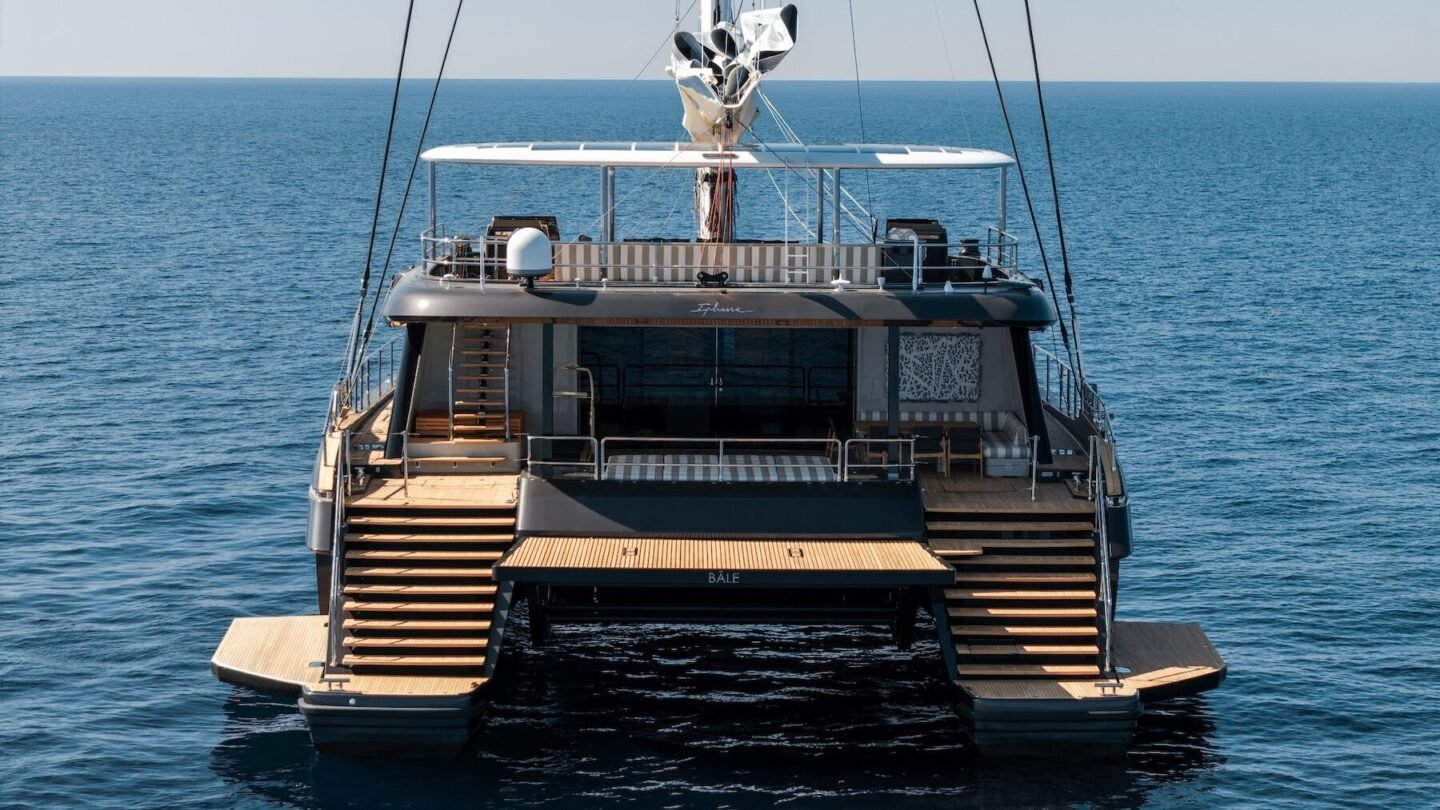
We launched the first Ipharra in 2010 and, sixteen years later, we have the honor of unveiling its successor: the new electric sailing Sunreef 100 Eco Ipharra”, said Francis Lapp, founder and CEO of Sunreef. “This project reflects a long-standing relationship based on trust and a shared vision. Designed not only for exceptional sailing but also as a platform for education, Ipharra embodies a mission that goes beyond the traditional role of a yacht. We are proud to have brought this unique vision to life.”
Ipharra is designed to offer an exceptional onboard living experience. The spacious salon perfectly reflects this philosophy, offering deep sofas, a dining table for ten, and a dedicated bar area, all surrounded by large windows that flood the interior with natural light. At the bow of the main deck is the owner’s suite. Glass panels with privacy control separate the sleeping area from the bathroom and shower, while still allowing light to flow freely throughout the space. The suite also enjoys private access to the reserved terrace on the foredeck.
Designed to accommodate both family cruises and educational trips, Ipharra offers five additional guest cabins. A single cabin adjacent to the owner’s suite is ideal for the younger family members, while four guest cabins with private bathrooms in the hulls can be configured as either doubles or twins, providing maximum flexibility for different sailing programs.
Sunreef Yachts, the technology behind Ipharra
Sunreef 100 Eco is a high-performance offshore sailing yacht, the carbon mast supports a powerful sail plan capable of delivering exceptional performance, whether moving between nearby anchorages or covering considerable daily crossings. With optimal winds of 15–20 knots, it comfortably reaches speeds of 8–10 knots. More than 250 square meters of “Solar Skin“, developed in-house by Sunreef, are seamlessly integrated into the hull and superstructure, generating up to 49 kWp of clean energy to cover all electrical loads of onboard services.
When additional propulsion is required, the two electric motors draw energy from a 770 kWh battery pack, ensuring quiet and efficient operation and supporting extended sailing with minimal environmental impact.
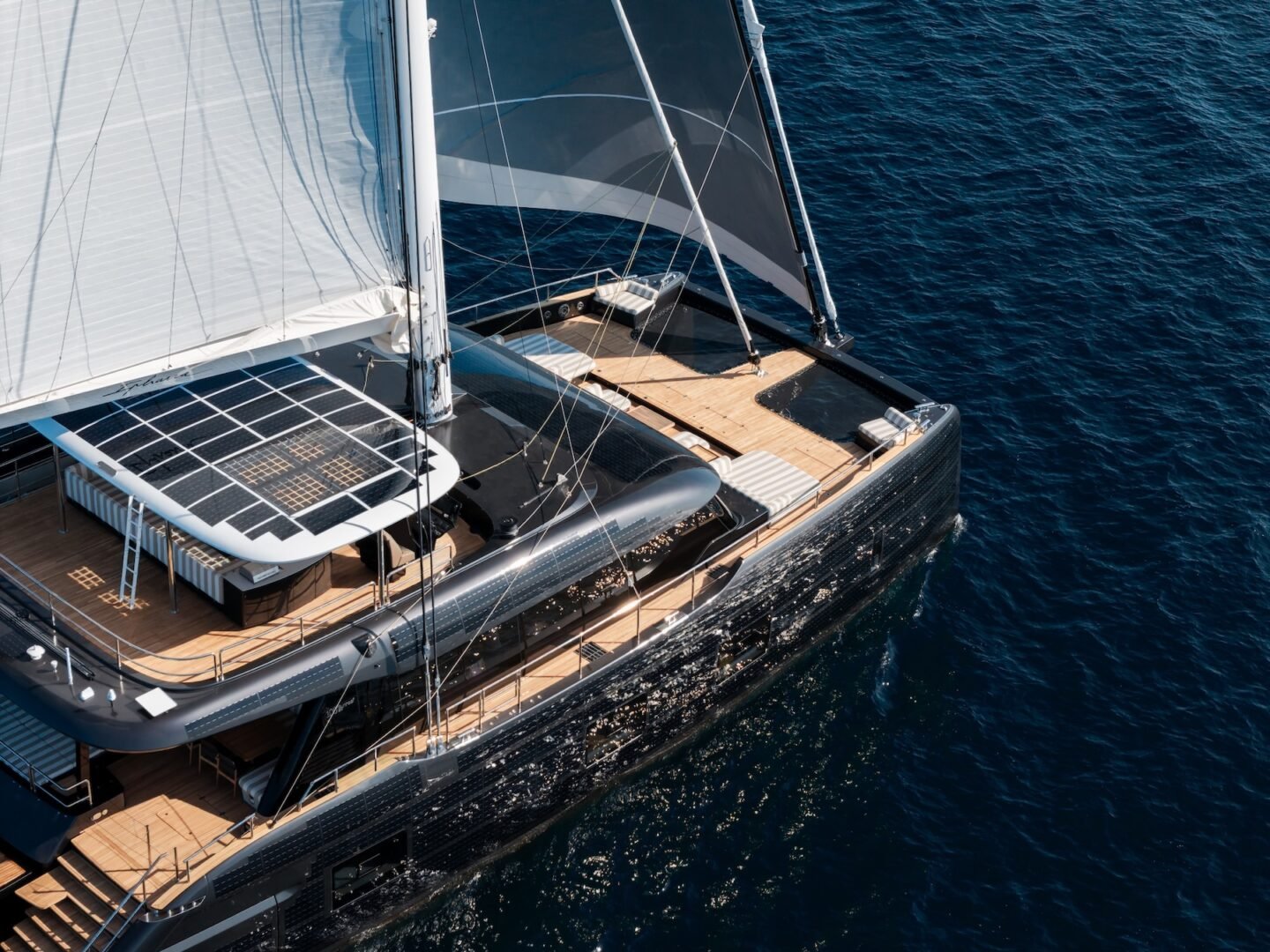
The Mediterranean and Caribbean are the routes of the Sunreef 100 ECO, the yacht will provide a platform for studying geography, history, philosophy, marine biology, and ocean conservation. As the first sailing Sunreef 100 Eco, Ipharra will offer students a hands-on experience with renewable energy, energy efficiency, and responsible energy management at sea through its electric propulsion and integrated solar technology.
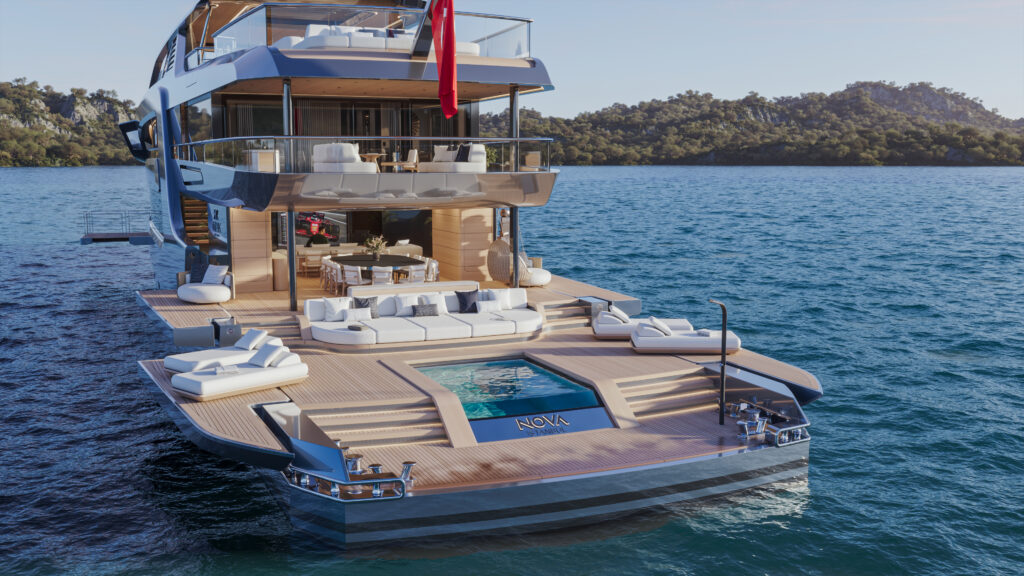
RMK Yachts has revealed the details of its latest concepts for 55-meter superyachts: Arcane Era and Arcane Nova, developed in collaboration with the renowned design studios Espen Øino International (concept, general arrangement, and exterior styling) and Giorgio Cassetta (interior and exterior deck design).
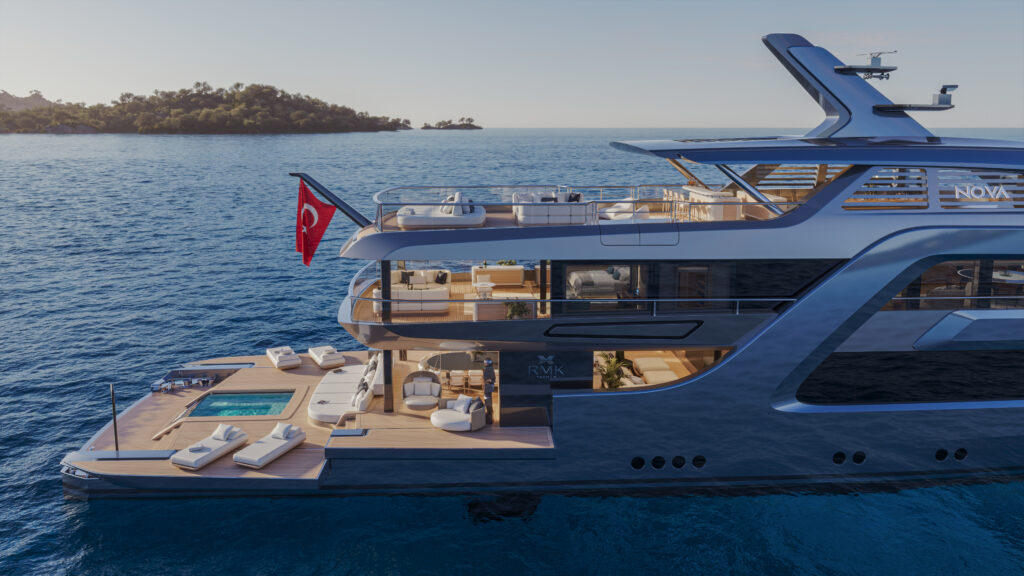
The Arcane Project by RMK Yachts, consisting of the two 55-meter concepts, takes its name from “The Arcane Edge”, which is the main motto of the shipyard. This approach involves creating vessels that go beyond conventional luxury and comfort to offer owners experiences yet to be imagined.
Cüneyt Okcu, Director of RMK Yachts, emphasizes the importance of the Arcane project for the shipyard:
The idea was to create truly comfortable and usable living spaces, whether the yacht is anchored in a bay or docked in a port, while ensuring areas protected from direct sunlight and weather elements. On the upper deck, for example, the external area at the bow of the owner’s cabin connects directly with an internal lounge, creating a smooth continuity between inside and outside, particularly pleasant when the yacht is in port.
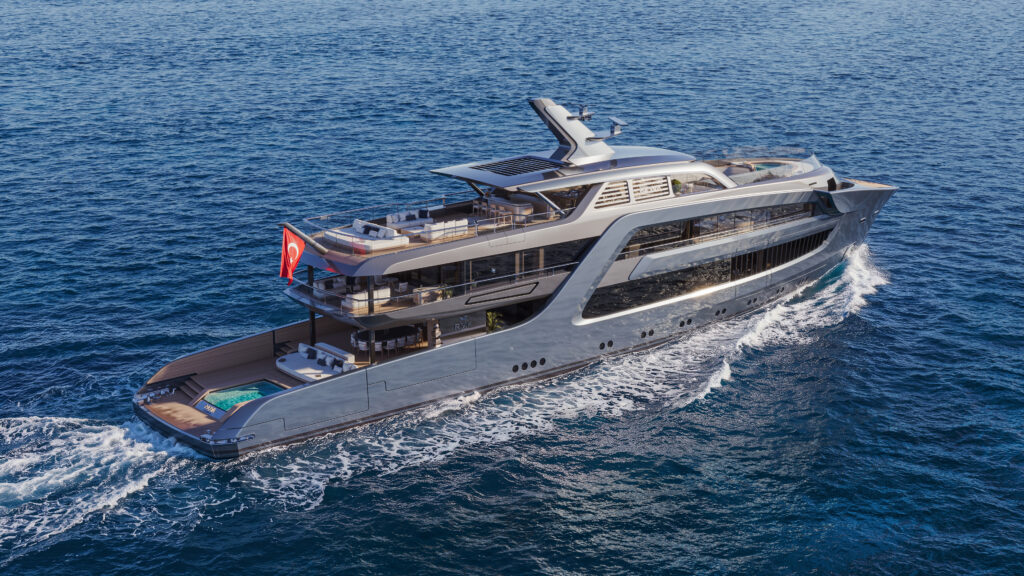
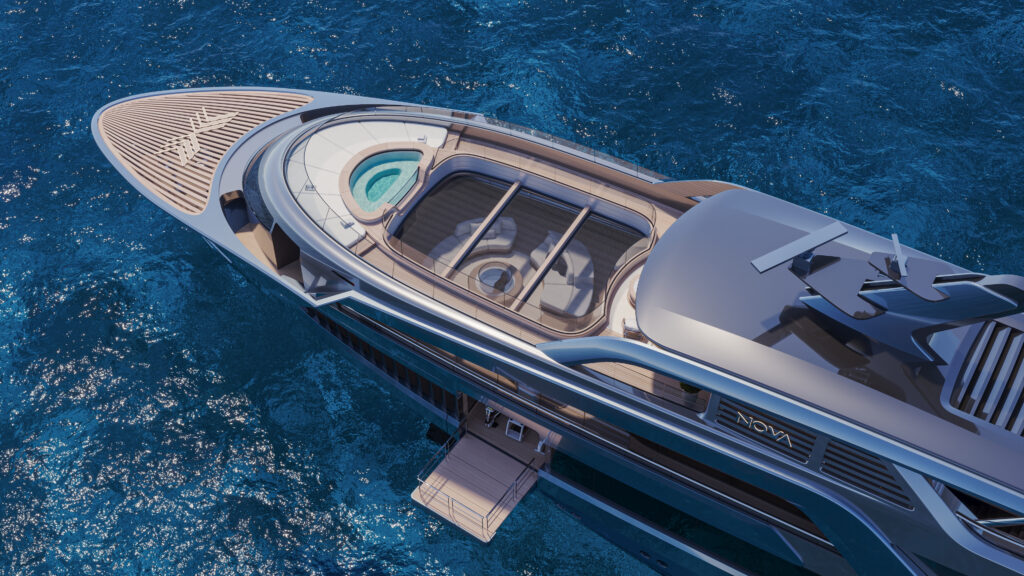
We have also developed a more radical version of Arcane Nova with the wheelhouse positioned at the bow, which allowed us to create an exceptionally large sundeck, by far the largest in its category. There is a strong physical connection between the different environments, with a significantly larger livable area outside, while ensuring that guests can remain protected from the elements,” Øino stated.
Arcane Nova
The expression of RMK Yachts’ new and bold stylistic language. Through a future-oriented approach, it reinterprets familiar shapes and represents the beginning of a new design philosophy, pushing beyond boundaries with a solid and iconic vision.
RMK YACHTS Arcane Era
A more traditional concept regarding layout, with the command bridge positioned on the sundeck, while maintaining a distinctive character in its design elements (such as the characteristic shell shape of the owner’s deck). Serving as a bridge between traditional aesthetics and the future, it marks the first step towards a new design language.
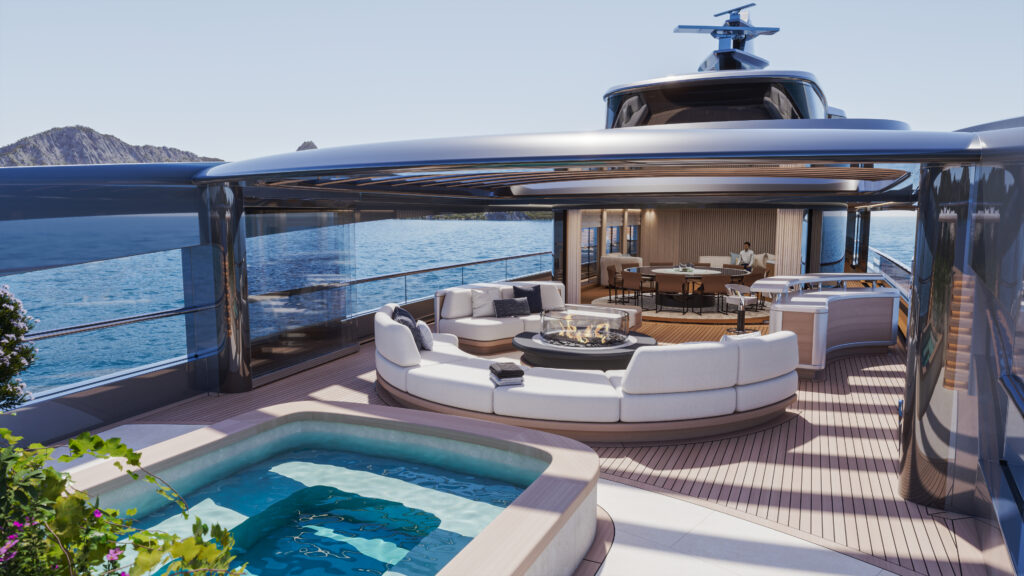
Among the standout areas on board the Arcane concepts is the aft deck Piazza®. This space redesigns the traditional beach club and stern experience, creating a 20-meter continuum and 180 square meters in direct contact with the outside. Other exceptional areas include the Piazzetta® (a forward-facing panoramic lounge at the bow), the panoramic terrace Love Nest®, and the RMK Jumbo Deck® measuring 35 meters, which encompasses an impressive external area of 190 square meters.
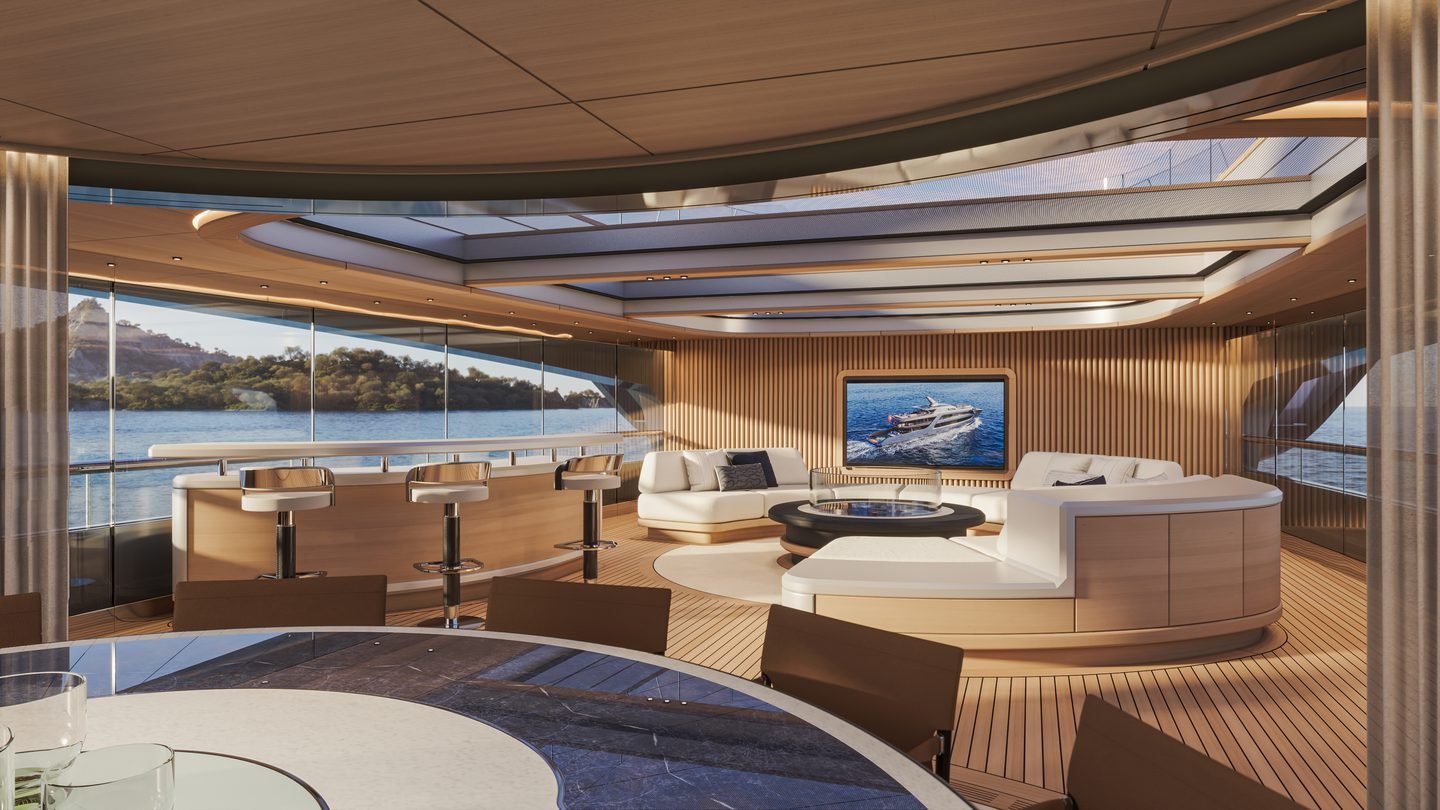
Arcane Era and Arcane Nova demonstrate how collaboration between different disciplines can redefine expectations and help shape the future of yachting.
Press agency: Sand People Communication
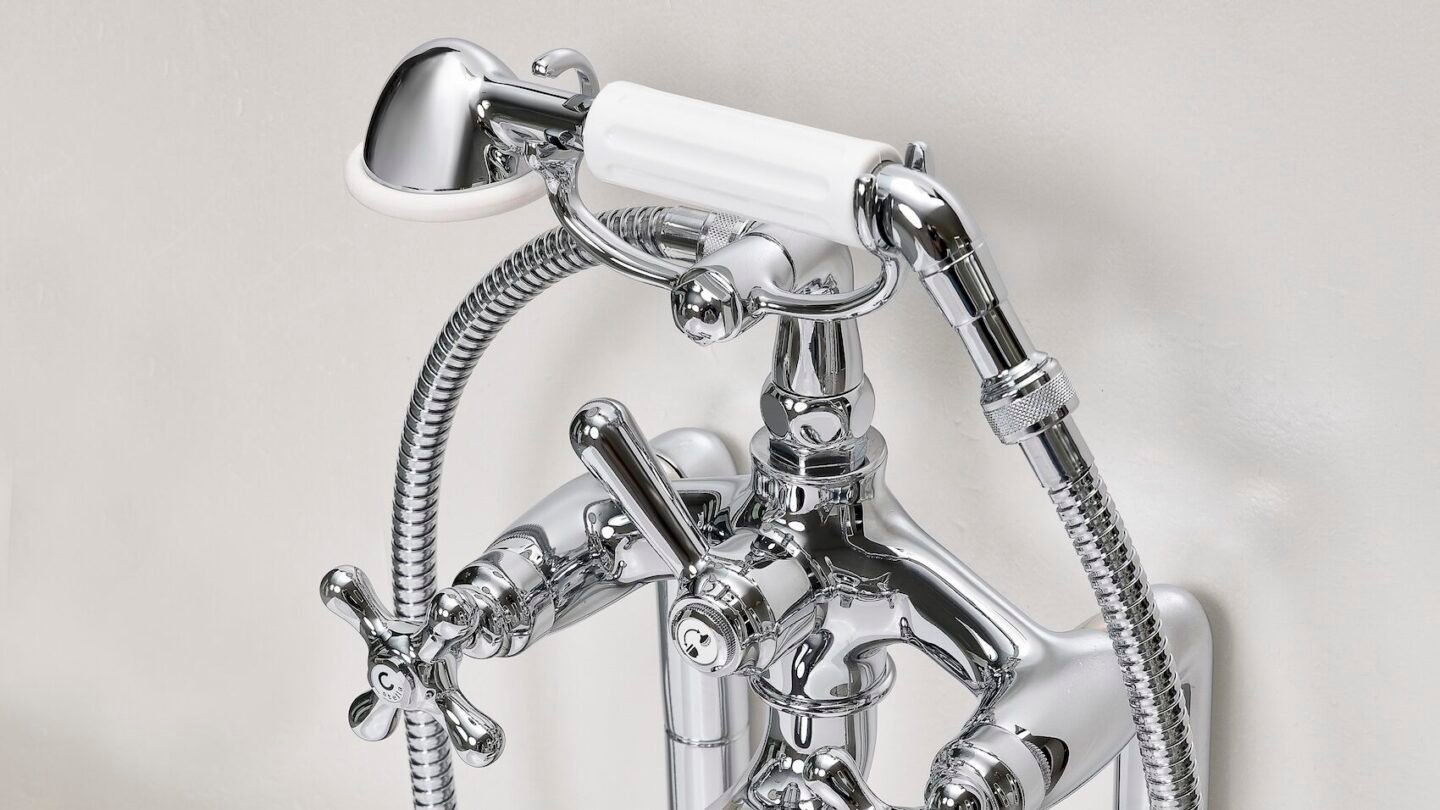
Rubinetterie Stella, a historic Italian brand of high-end faucets, debuts in the superyacht sector at the Monaco Yacht Show 2026, celebrating a century of the iconic Roma series and presenting a new vision of well-being on board. A symbol of excellence and craftsmanship Made in Italy since 1882, it marks a turning point in its history by announcing its official entry into the yachting sector.
The chosen setting for this important strategic debut could only be the Monaco Yacht Show 2026 (stand DS29), the world reference exhibition event for the market of superyachts and high-profile boating.
With this participation, the Piedmontese company aims to respond to an increasingly demand-oriented towards extreme customization, mechanical reliability, and attention to detail, engaging with shipyards, architects, yacht designers, and international shipowners.
Rubinetterie Stella: the new Freestanding Shower
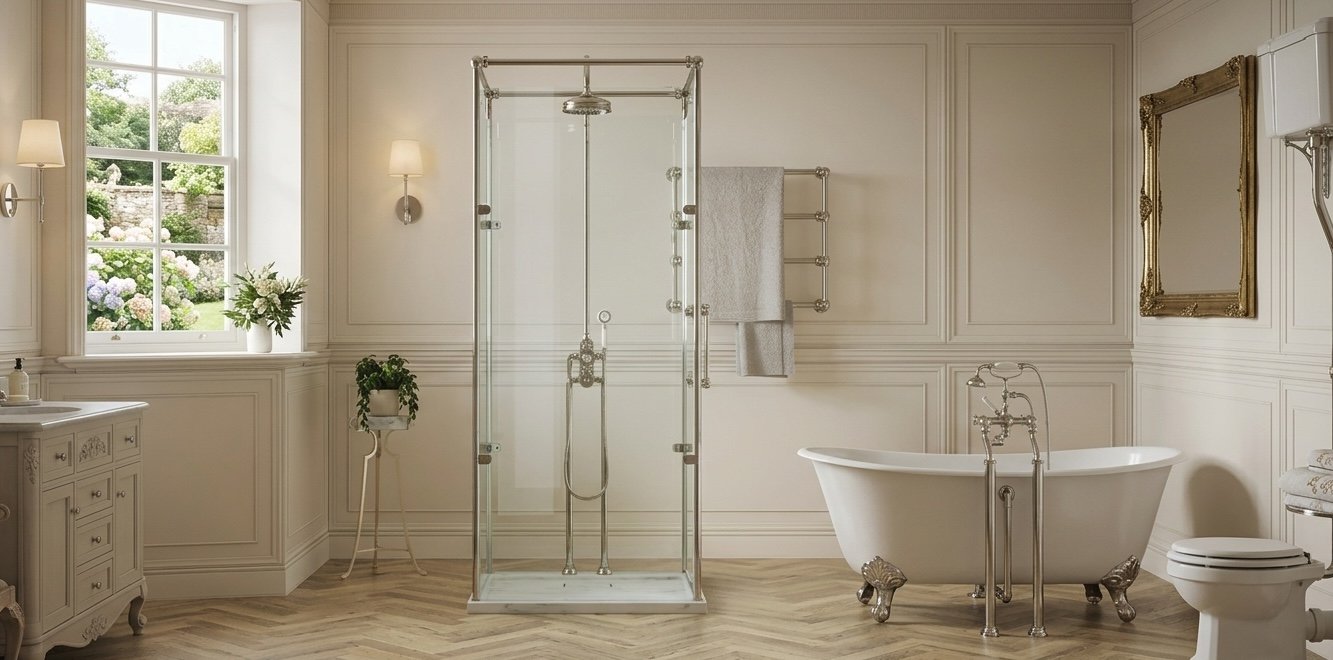
The debut in the world of boating materializes in the ability to reimagine water spaces on board vessels. For the occasion, Rubinetterie Stella presents the new Freestanding Shower, conceived as a piece of furniture architecture that transcends traditional bathroom layouts.
Equipped with the faucets from the Roma series, this proposal offers a perfect meeting point between tradition and contemporary innovation.
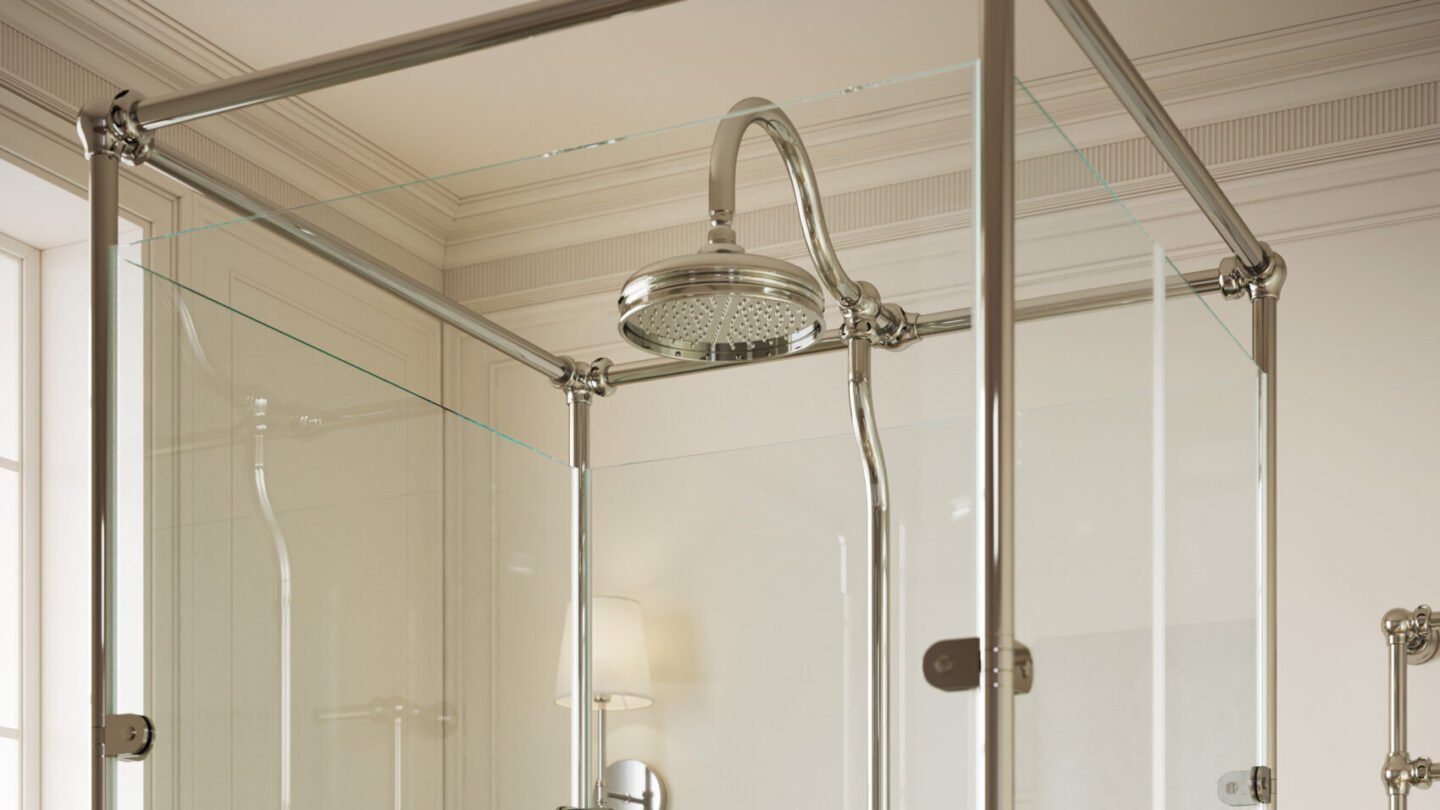
Characterized by a large marble top and glass surfaces, it defines a transparent volume that harmoniously integrates into the exclusive environments of superyachts. The central configuration allows for an innovative comfort experience, including the ability to adjust the water temperature from the outside before entering the shower area. With its mechanical excellence, the new Freestanding Shower guarantees the typical performance of precision and durability that distinguish Stella mechanics, essential requirements for the reliability demanded by the marine environment.
A natural partnership with luxury yachting
The choice to venture into the yachting sector represents for Rubinetterie Stella the natural evolution of an ultra-centennial journey. Founded in Cireggio, on Lake Orta, the company has combined for almost 140 years a handcrafted soul with high-precision processing.
The use of bronze for the body fittings, a principal material also in the naval field for its outstanding corrosion resistance, combined with the possibility of accessing over 60 customizable finishes, positions the brand as the ideal partner for yacht design studios engaged in creating artfully crafted interiors for each individual client, emphasizing exclusivity and high-quality craftsmanship.
At the Monaco Yacht Show 2026, Rubinetterie Stella thus charts its course in the superyacht sector, bringing quality, tradition, and the timeless luxury of Made in Italy to the waves.
Two names, a great revolution. On one side ENATA, an international company specialized in composite engineering and high-performance marine technologies; on the other side Manta Foils, an Emirati company specialized in the production of electric hydrofoil systems.
Now the two entities strengthen their collaboration with ENATA’s entry into the capital of Manta Foils, aiming to accelerate the development of a new generation of solutions for electric marine mobility.
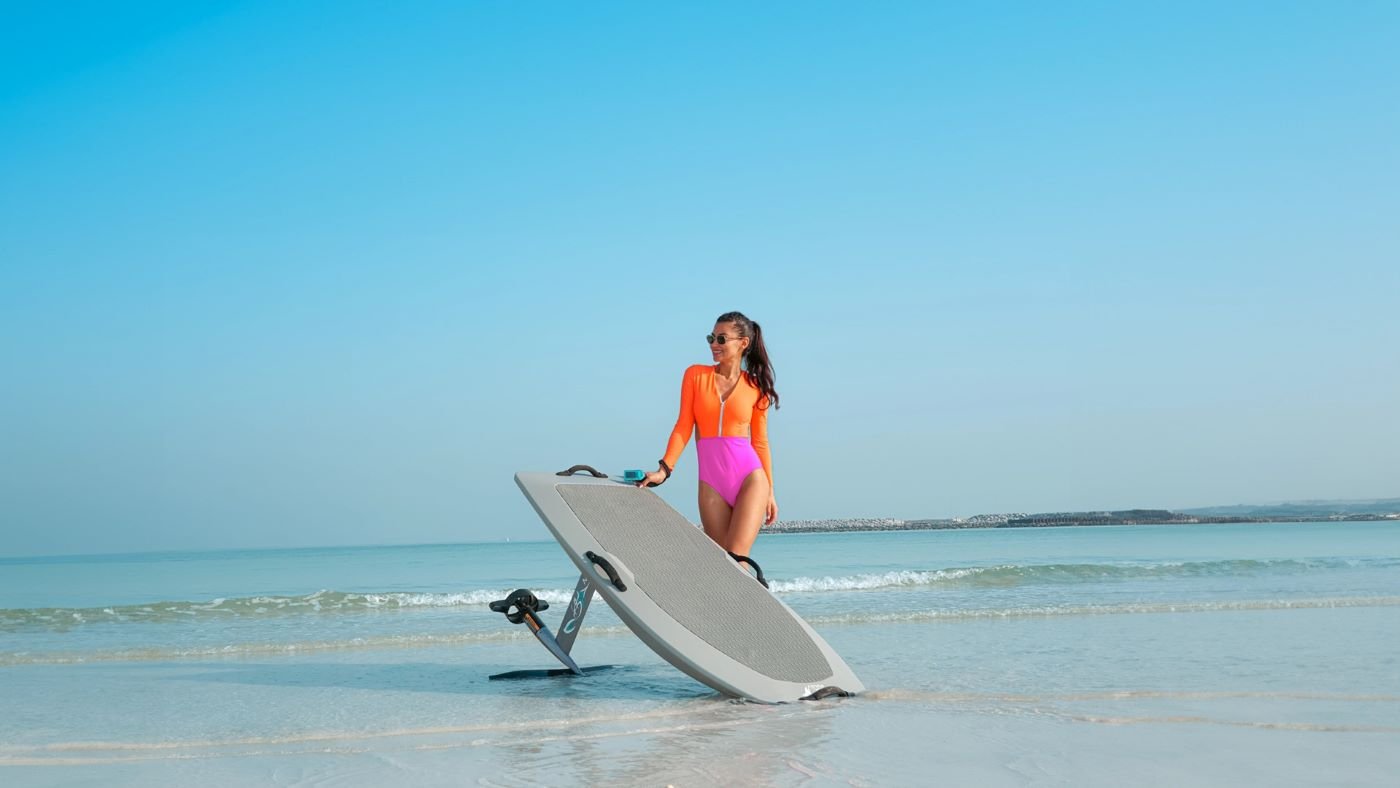
ENATA and Manta Foils: the evolution of a successful partnership
ENATA’s entry, with a minority stake, in Manta Foils represents the evolution of an already established partnership. For some time now, ENATA has been supplying Manta Foils with carbon composite components, essential for the creation of lightweight, durable, and high-performance hydrofoil platforms.
But if until now the collaboration was mainly focused on the supply of components, the new agreement significantly expands the scope of the partnership. The two companies will be able to work together not only on production but also on engineering, research, development, and industrialization of electric hydrofoil technologies.
The goal is to pool different but strongly complementary skills. ENATA brings experience gained in the design and construction of high-performance vessels and in the use of composite materials; Manta Foils, on the other hand, provides its technological platform dedicated to electric propulsion and foil systems.
The latter integrates batteries, propulsion systems, and proprietary electronics within a modular and scalable architecture. From this technology arise solutions ranging from foil-assist systems to fully integrated eFoils.
And this is where the new collaboration could make a difference: the goal is not only to develop new products but to make electric hydrofoil technology more easily applicable and industrializable.
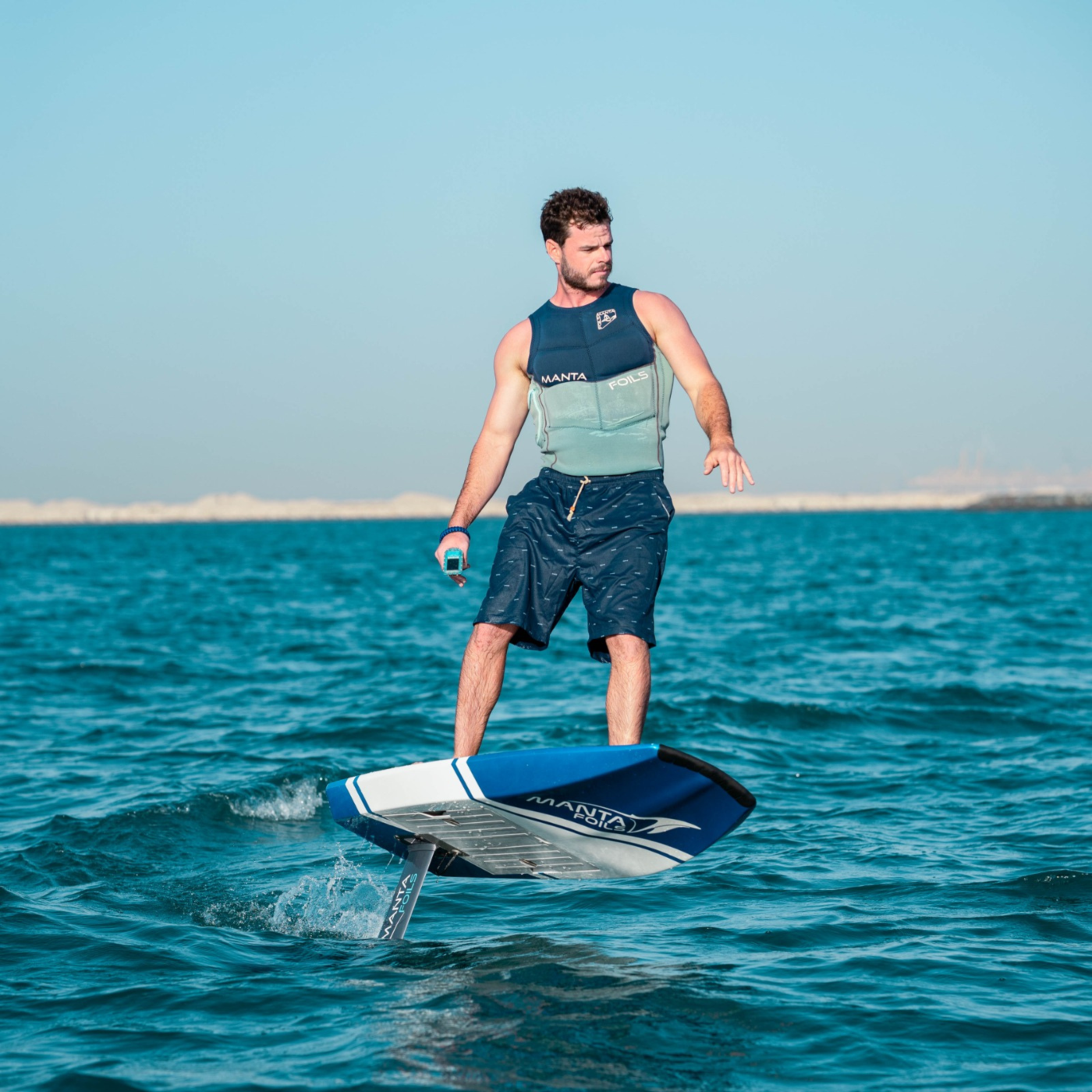
The partnership also does not seem destined to remain confined to the products of the two brands. ENATA and Manta Foils intend to explore opportunities with third-party manufacturers, providing carbon components and systems dedicated to electrification and foil technology.
Last but not least, ENATA will provide Manta Foils with its new infrastructure dedicated to development in Abu Dhabi, thus accelerating both product innovation and the subsequent industrialization process.
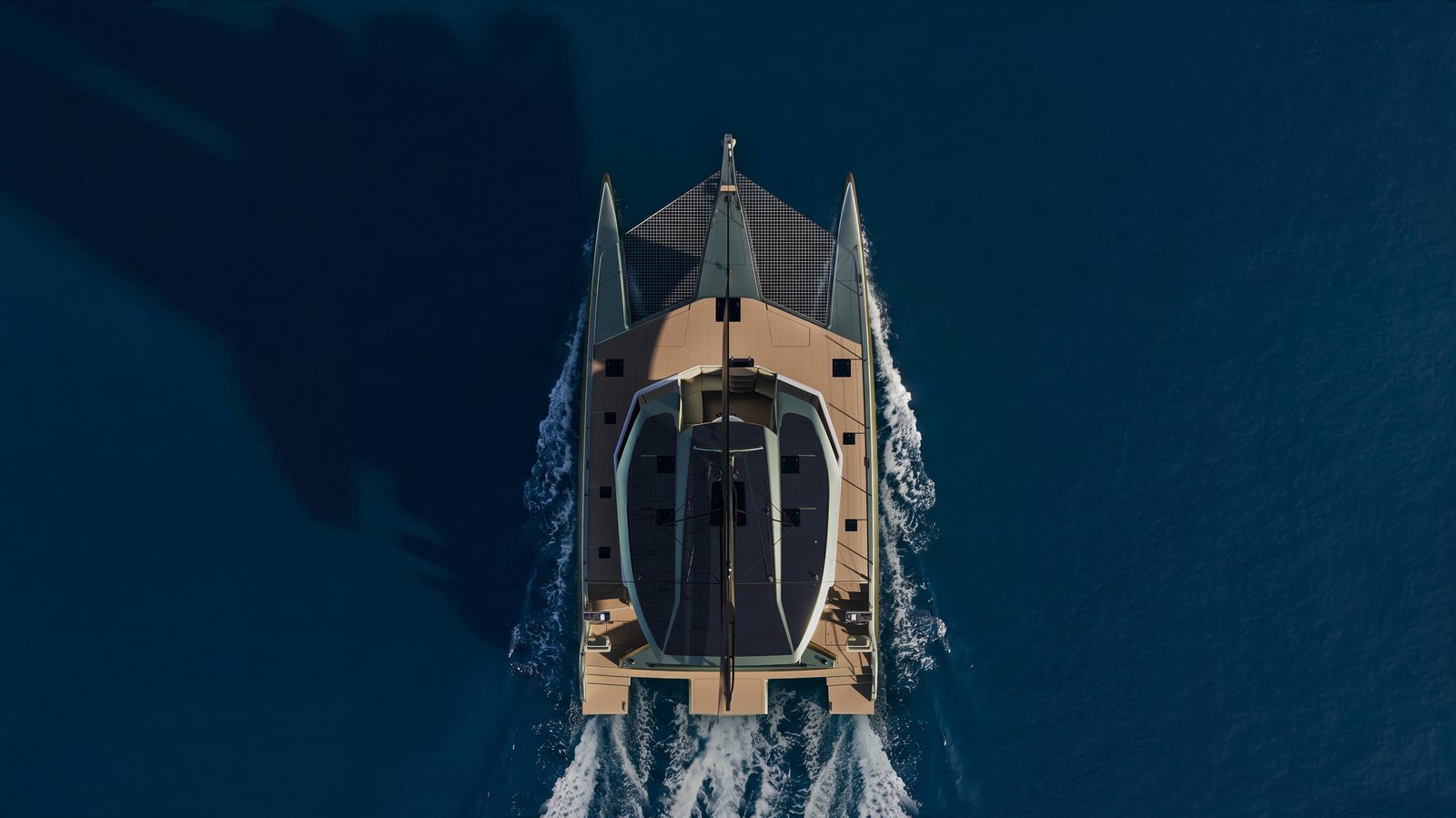
The construction of the VMG 53, the luxury trimaran from the newly established shipyard VMG (Velocity Made Good), continues, promising to inaugurate a new generation of luxury cruising multihulls capable of combining high performance, comfort, and real long-range sailing capabilities.
The first unit will be delivered in January 2027. In the meantime, the shipyard has unveiled the interiors, designed by Christophe Chedal Anglay, tailored to adapt to different ways of living on the boat and the owner’s needs, without sacrificing functionality.
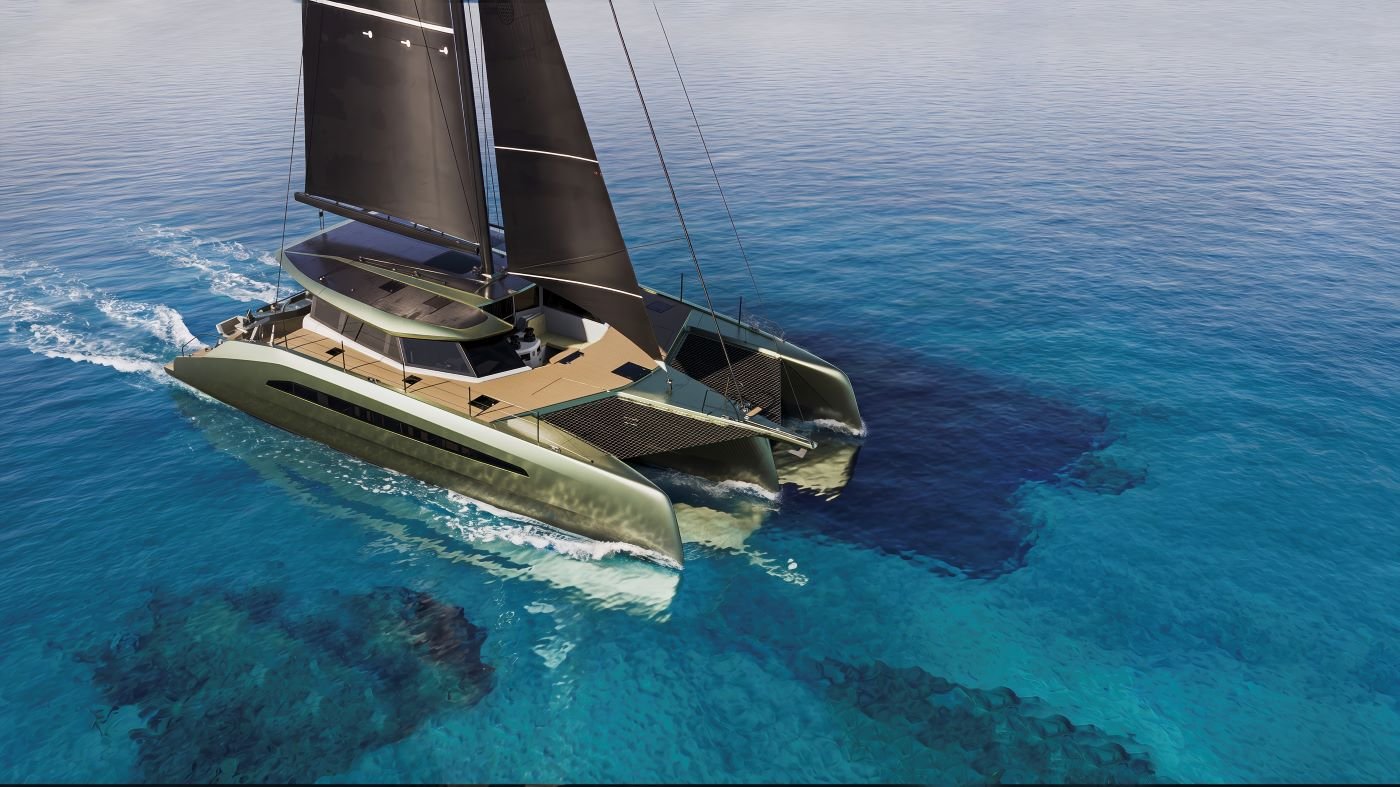
VMG 53: one boat, multiple configurations
The most interesting feature of the VMG 53 undoubtedly lies in the great versatility of the interiors. The layout has not been conceived around a single mode of use but allows the spaces to change function and adapt to various scenarios.
During a long crossing, for example, the owner can use the cabin located near the command station, staying close to the control area. Once they arrive at their destination, they can move to the private cabin, transforming the main cabin into a convivial space for guests.
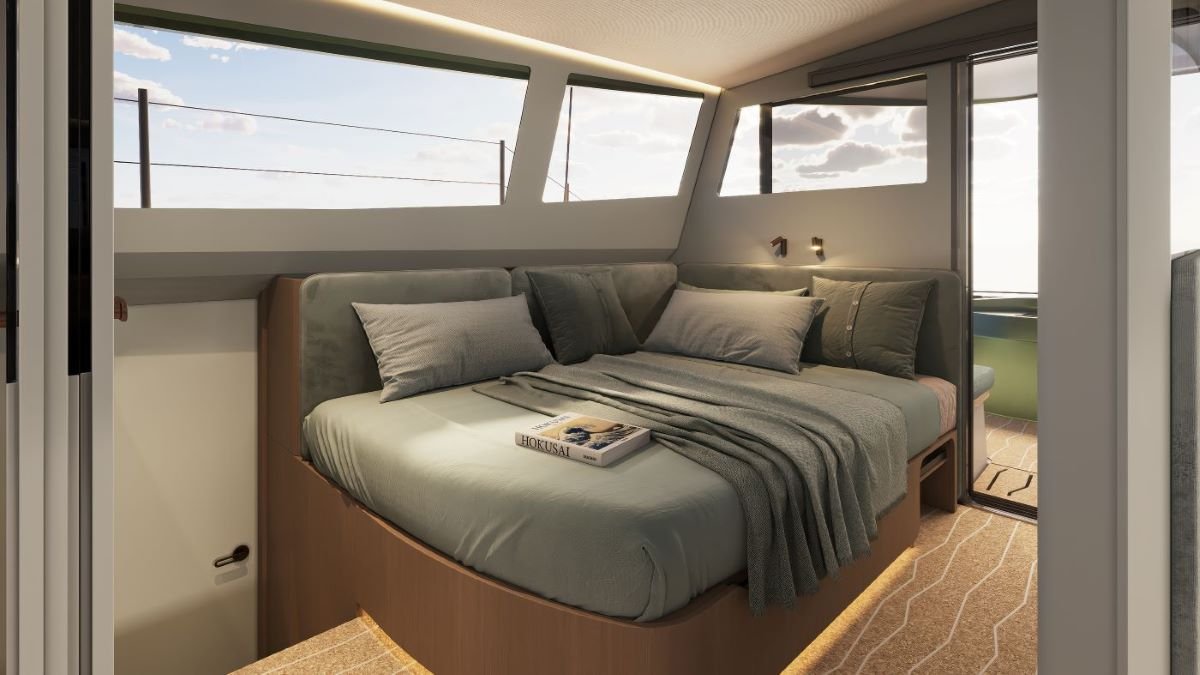
Folding doors and retractable bulkheads allow for the rapid expansion of the space, transforming it into a true salon. A projector can use one of the bulkheads as a screen, while variable opacity glass ensures the right amount of privacy when the same space is used as a bedroom.
A versatility that Anglay relates to Japanese culture: the idea of architecture capable of continuously transforming according to the needs of its inhabitants.
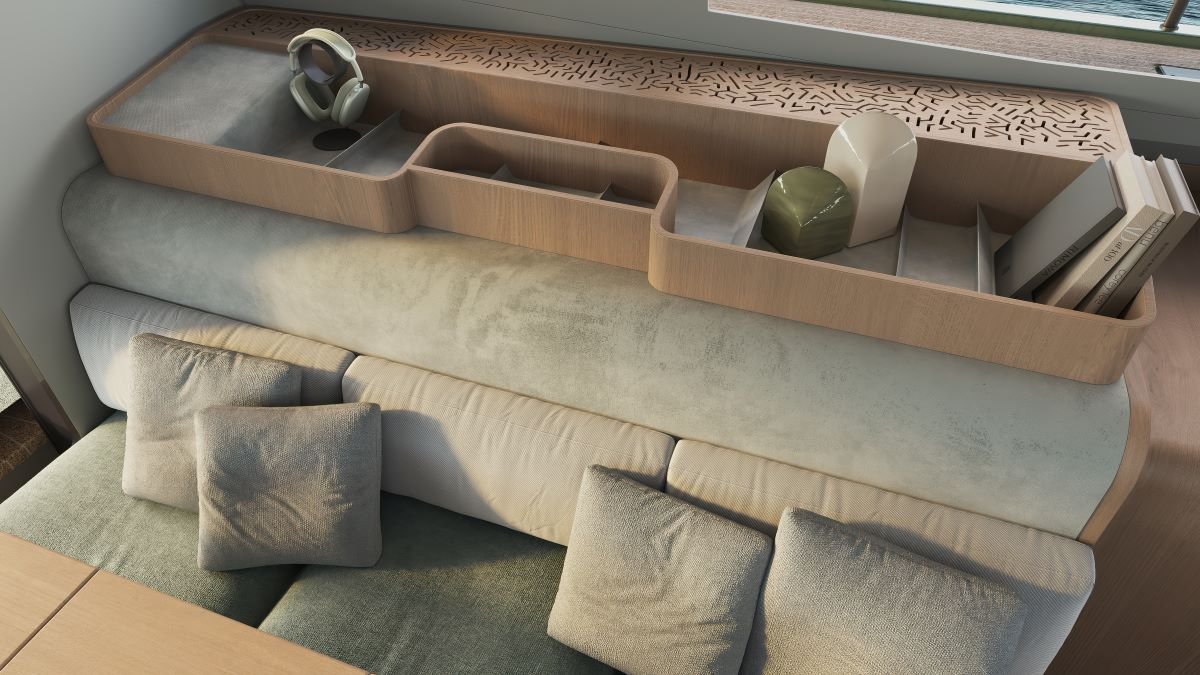
The VIP cabin, located to starboard in the bow area, also follows this philosophy. The goal is to offer guests a level of comfort close to that of the owner’s suite.
The bed can easily transform from a single to a double, while furniture and storage spaces can quickly adapt to the presence of couples, friends, and children.
Nature on board
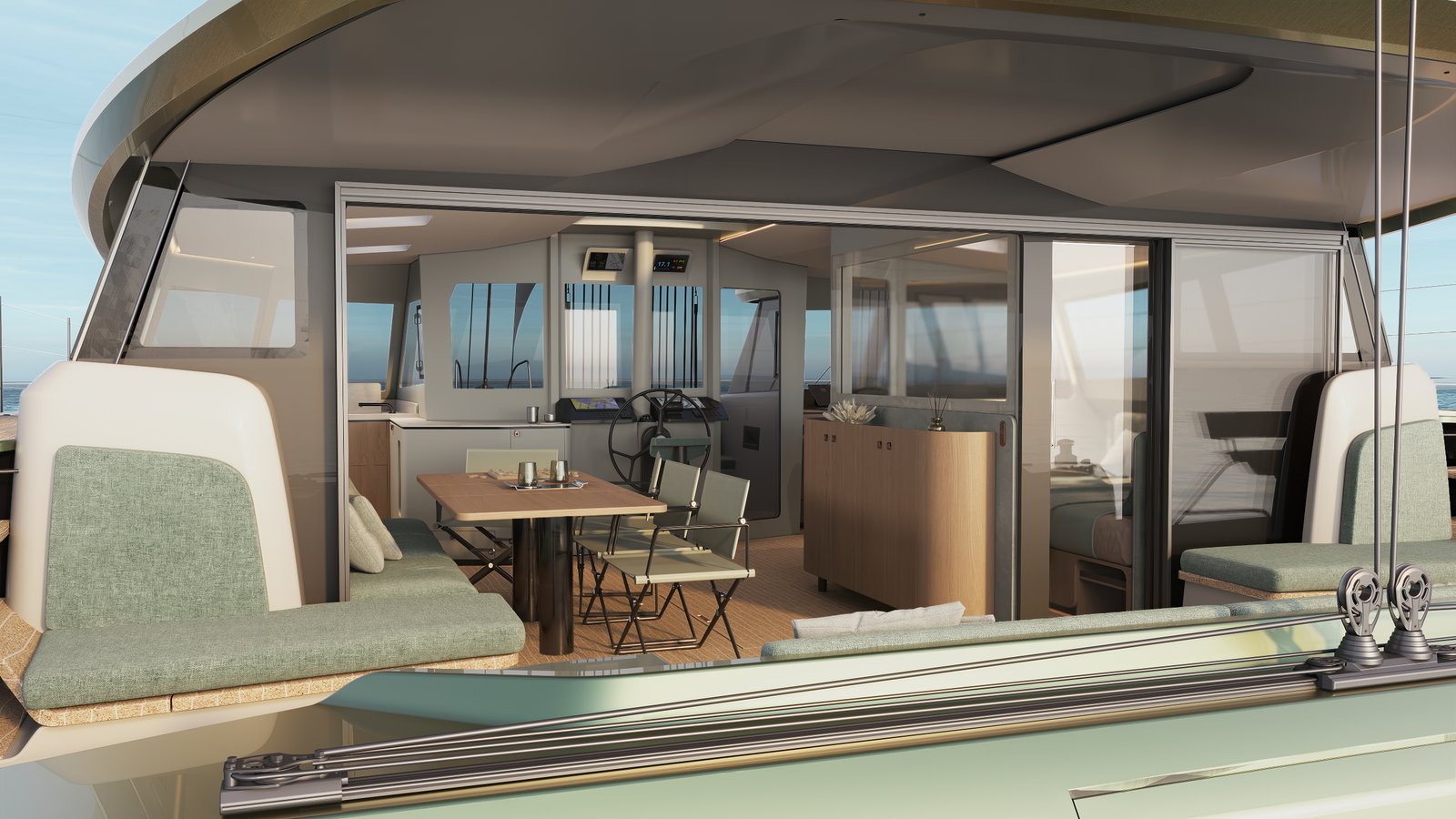
Sustainability and durability are the two criteria behind the choice of materials for the VMG 53. The shipyard has opted for a combination of materials that balance environmental impact and the ability to withstand daily use at sea: eucalyptus wood, vegan suede, and, above all, sustainable cork for the flooring, both inside and out. The latter material is used practically from stern to bow, creating a visually pleasing continuity between the spaces.
Nature becomes the protagonist on board, with a color palette skillfully selected by the shipyard: green, which is also the brand’s distinctive color, is an explicit reference to rainforests, while blue evokes lagoon landscapes.
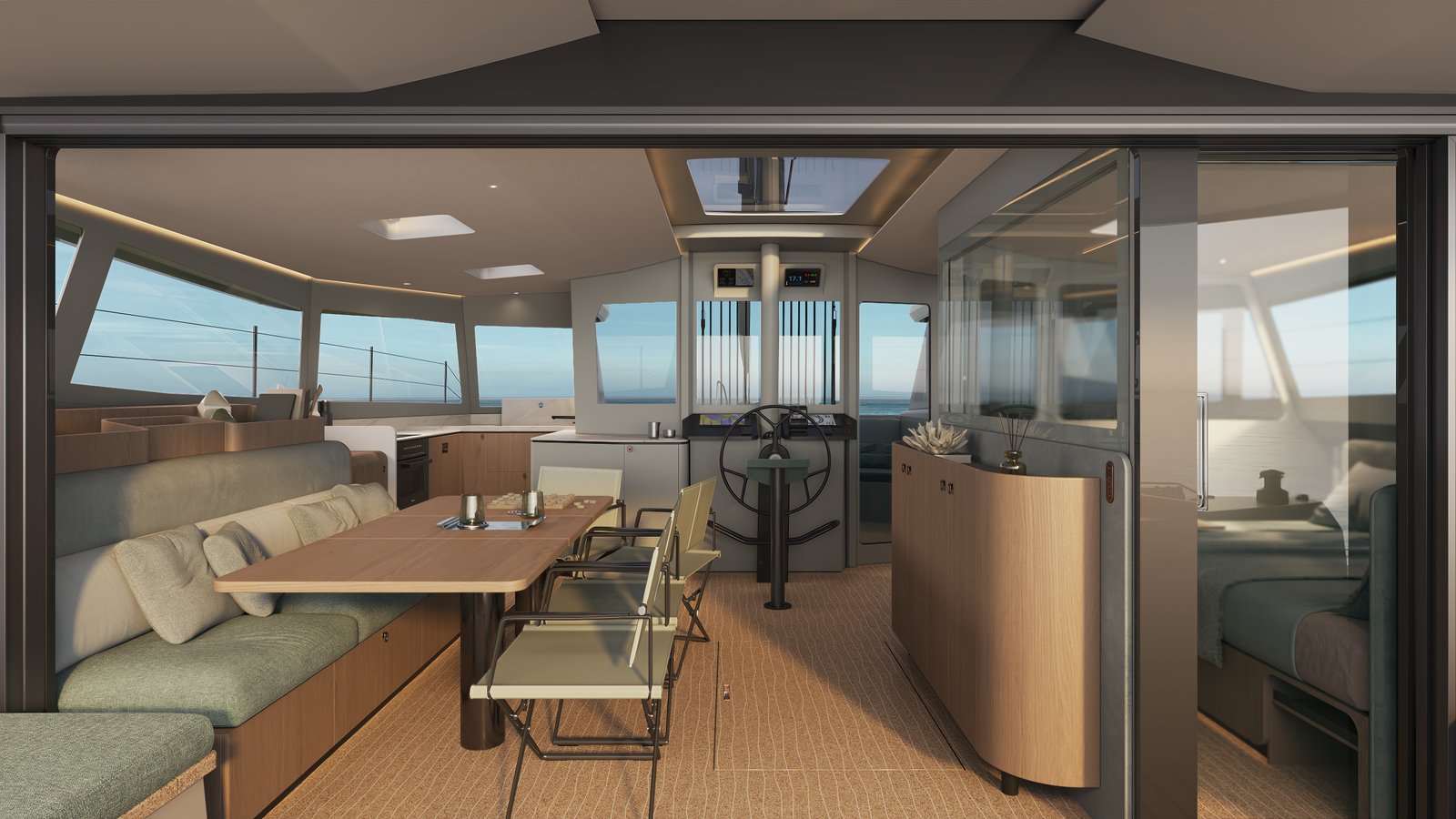
The shades also change according to the environments: darker on the deck to enhance the view outside, and lighter inside the hulls, where the spaces are more compact and linear.
On the first unit, moreover, the external finish evolves from deep green to a golden bronze tone depending on the light.
VMG: a custom trimaran
Finally, customization. “Every new project must be different from the previous one,” summarizes Anglay. The owner can customize the interiors, modifying floors, materials, colors, and fabrics according to their tastes.
And perhaps this is the key to the VMG 53: a trimaran born from the needs of offshore navigation but designed not to be tied to a single idea of life on board.